U.S. Travelers Lose $297 Million to Travel Scams as Online Fraud Grows
Travel scams are becoming an increasingly expensive problem for Americans, with reported losses reaching $297 million in 2025, according to an analysis of Federal Trade Commission data highlighted by Locals Insider.
The figure shows how the risks associated with planning a vacation can extend far beyond delayed flights, expensive hotels or unexpected fees. Consumers can lose hundreds or even thousands of dollars before they ever reach their destination, often after interacting with what appears to be a legitimate travel company, rental owner or airline representative.
Locals Insider analysed federal data covering vacation and travel-related fraud and combined it with a survey of more than 1,000 U.S. adults conducted in June and July 2026. The analysis found that travel-related fraud losses have increased substantially in recent years, rising from about $99 million in 2021 to $297 million in 2025.
That represents roughly a threefold increase over four years.
The numbers also show that travel fraud does not affect every state in the same way. Washington had the highest reported losses relative to its population, with nearly $9.7 million in annual travel fraud losses, equivalent to more than $124,000 for every 100,000 residents.
Utah followed with nearly $105,000 in losses per 100,000 residents, while Arizona ranked third at nearly $97,000 per 100,000 residents. Arkansas and North Carolina also appeared among the states with the highest losses when adjusted for population.
Looking only at total dollars can produce a different picture because larger states naturally have more residents and travellers. California, for example, recorded more than $33 million in annual travel fraud losses in the analysis, while Florida recorded more than $20 million.
The difference between total losses and losses per resident is important. A state with a large population may report more dollars lost overall, while a smaller state can experience a much higher loss rate when the figures are adjusted for population.
The growth in travel fraud comes as Americans increasingly use digital services to organise their vacations. Flights, hotels, rental properties and travel packages can now be booked within minutes, but the same convenience gives criminals more opportunities to create convincing fake offers.
Some scams begin with advertisements that appear in search results. Others arrive through email, text messages or messaging apps. A traveller may receive what looks like a flight cancellation notice, a hotel confirmation or a limited-time vacation deal and be directed to a fraudulent website.
The Federal Trade Commission has warned that scammers sometimes create websites that closely resemble legitimate travel businesses. Criminals may also use fake promotions offering unusually cheap vacations or claim that someone has won a free trip and must pay fees or taxes before receiving it.
Travellers should be particularly careful when a deal seems dramatically cheaper than comparable offers. An unusually low price does not automatically mean a scam, but it is a reason to slow down and verify the company and offer before making a payment.
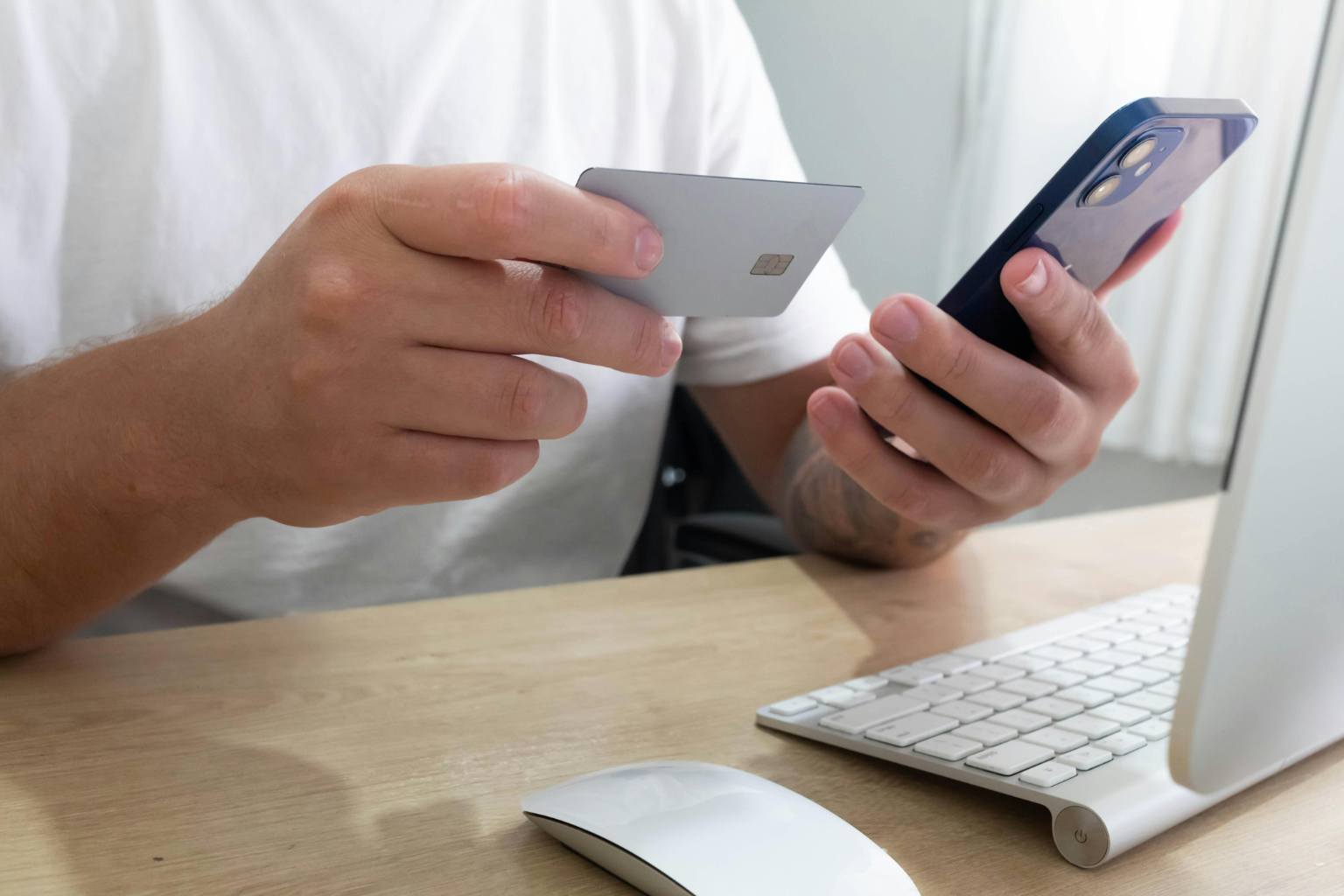
Payment instructions can also provide an important warning sign. The FTC advises consumers to be suspicious when a travel provider insists on payment through wire transfers, gift cards or cryptocurrency. These methods can make it difficult for victims to recover their money after a fraudulent transaction.
Another concern is the increasing use of urgency. A traveller may be told that only one seat remains, that a special rate will disappear within minutes or that immediate payment is necessary to prevent a reservation from being cancelled.
That pressure can make people act before they have had time to check the details.
The Locals Insider survey found that this type of pressure is already influencing travellers. More than half of respondents said they had felt pressured to book travel because of messages suggesting that an offer was about to expire or that only limited availability remained.
At the same time, many Americans believe they are capable of recognising travel scams. The survey found that 87% of respondents considered themselves at least somewhat confident that they could identify a fraudulent travel offer.
However, confidence does not always translate into safe behaviour. About 22% of respondents said they had clicked on a travel-related advertisement or sponsored search result that turned out to be fake.
That gap matters because modern scams do not always look obviously fraudulent. A fake website can use professional images, familiar branding and convincing language. A fraudulent message may also imitate the style of an airline, hotel or booking company.
The FTC’s current travel guidance recommends researching travel companies, hotels, rental properties and agents before paying. Consumers can search for complaints or scam reports involving a business and independently confirm the property’s address and contact information.
Travellers should also avoid clicking unexpected links in emails or text messages. Instead, they can open the company’s official website directly and verify reservations or offers through known contact information.
The problem does not necessarily end after a booking is completed. Scammers can also target travellers through fake cancellation notices, fraudulent customer-service messages and other communications designed to obtain personal or financial information.
Travel loyalty accounts are another potential target. Airline miles and hotel rewards can have real monetary value, making accounts containing large balances attractive to criminals. Strong, unique passwords and multi-factor authentication can help reduce the risk of unauthorised access where those security features are available.
Artificial intelligence is adding another layer to the problem. According to the Locals Insider survey, 60% of respondents believe AI has made travel scams more convincing. The survey also found that many people are uncertain about their ability to distinguish genuine online reviews from AI-generated or otherwise misleading content.
That does not mean travellers should stop using online tools or artificial intelligence to plan trips. Instead, important travel decisions should be checked against reliable information rather than based on a single advertisement, review or automated recommendation.
The broader lesson from the data is that convenience can sometimes work in a scammer’s favour. Travellers often make bookings while comparing multiple websites, checking prices on their phones or responding quickly to messages. A fraudulent offer only needs to appear legitimate long enough for someone to provide payment or personal information.
A few extra minutes of verification can therefore make a meaningful difference.
Before paying for a flight, hotel or rental, travellers should confirm the company’s identity, check the full terms of the offer and understand cancellation and refund policies. They should be cautious about unusually cheap prices and avoid businesses that pressure them to make an immediate decision.
Consumers should also pay close attention to how they are being asked to pay. Requests for gift cards, cryptocurrency or wire transfers should be treated as major warning signs, particularly when the seller claims there is no other payment option.
The financial impact reported in the latest data also highlights why travel fraud should be treated as more than a minor inconvenience. Losing money to a fake booking can affect an entire vacation budget, especially for families or travellers who have already paid for transportation and other nonrefundable expenses.
The $297 million figure represents reported losses, which means it should not be interpreted as a complete measure of all travel fraud in the United States. Not every victim reports a scam, and some incidents may never reach government agencies or researchers. As a result, the actual amount lost by consumers could be higher.
Still, the available data provides a clear warning for anyone planning a trip: checking whether a deal is genuine is now an important part of travel planning.
For Americans preparing for vacations, the safest approach may be simple. Take the time to verify the offer, go directly to the legitimate company’s website, read the payment and cancellation terms, and be willing to walk away when something does not look right.
A good travel deal should save money, not create a new financial problem.
Sources
Federal Trade Commission, Consumer Advice — Avoid Scams When You Travel.
Federal Trade Commission, Consumer Alert — How to Avoid a Travel Scam This Summer.
Federal Trade Commission, Consumer Sentinel Network State Reports.
Local Insider: Analysis of Federal Trade Commission travel and vacation fraud data and 2026 U.S. consumer survey.
U.S. Census Bureau population estimates used for state-level population comparisons.