Hawaii Begins a Difficult Cleanup as Floodwaters Reveal the Extent of Tropical Storm Lala’s Damage
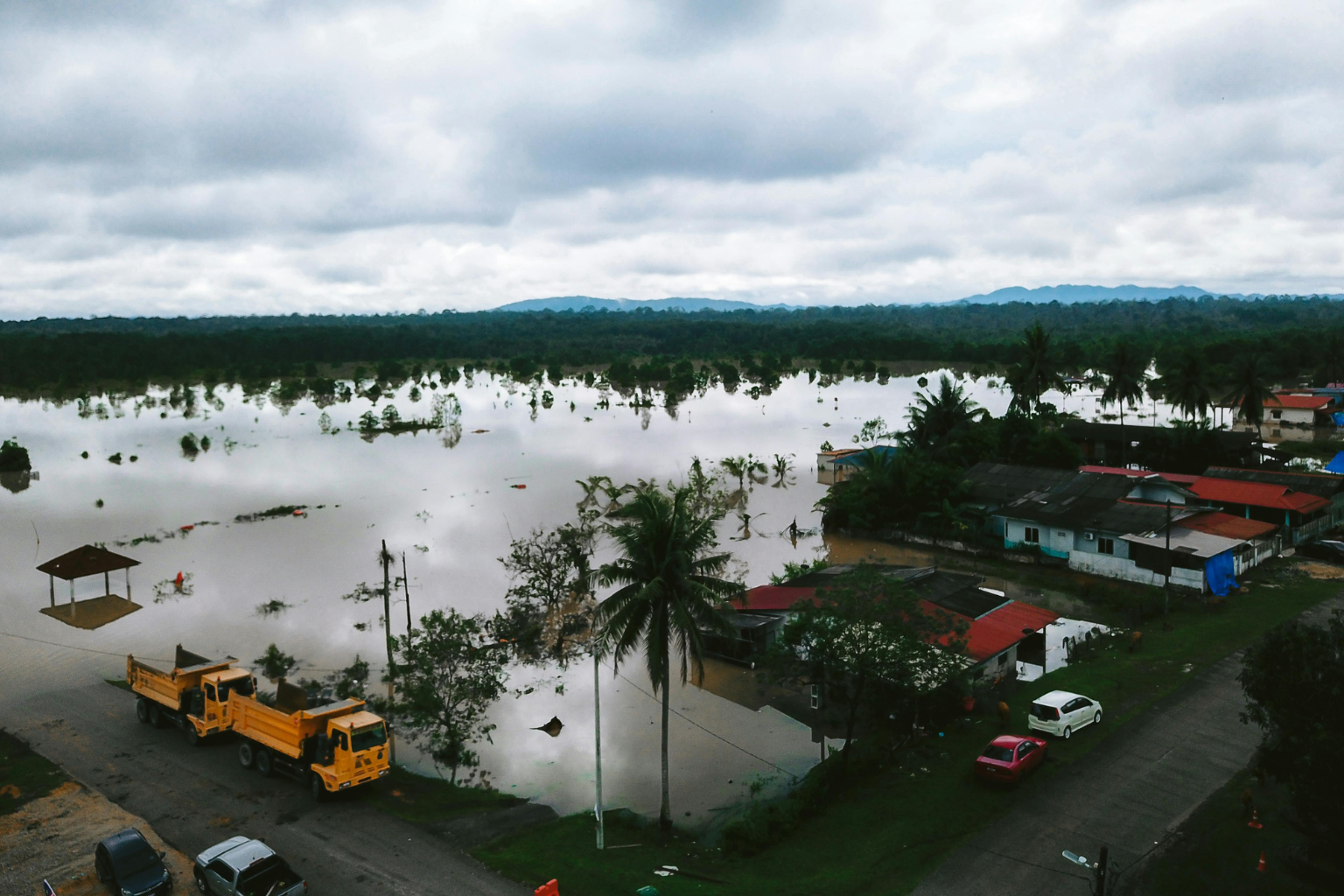
Hawaii entered a major recovery phase Monday after Tropical Storm Lala moved westward away from the island chain, leaving behind flooded communities, damaged homes, blocked roads, widespread power outages and large amounts of debris.
The storm had weakened from hurricane strength before moving away from Hawaii, but its effects remained serious. As floodwaters receded in some areas, residents and emergency crews were able to see more clearly how much damage had occurred during the weekend.
Initial reports indicated that at least 100 homes had been damaged or destroyed, while hundreds of thousands of electricity customers experienced outages during the storm. Some communities also faced difficult road conditions, fallen trees and damaged electrical infrastructure.
The most important development Monday was the shift from immediate emergency response toward damage assessment and restoration. Crews were checking roads, homes, utility systems and other infrastructure while residents began removing water and debris from their properties.
The recovery, however, was far from complete.
Lala approached Hawaii as a hurricane before weakening into a tropical storm as it moved across the region. Although the system did not make a traditional direct landfall, its heavy rainfall and strong winds still produced dangerous conditions across multiple islands.
On Hawaii Island, flooding became one of the most damaging parts of the storm. Reports described homes being affected by rapidly rising water, while roads and other access routes were disrupted by flooding, mud and fallen vegetation.
Some homes were reportedly swept from their foundations or severely damaged by floodwaters. That meant the cleanup was not simply a matter of pumping water from houses. In the hardest-hit areas, residents and officials were also dealing with structural damage and the loss of essential property.
For homeowners, the first hours after a major flood can be especially difficult because damage is not always visible immediately. Water can weaken walls, floors and electrical systems even after standing water disappears. Officials generally advise residents to avoid entering heavily damaged buildings until they are considered safe.
Power restoration was another major challenge.
Hawaiian Electric reported widespread outages as the storm damaged parts of the electrical network. More than 180,000 customers were without power at one point Sunday, according to reporting based on utility information.
The outages were spread across several islands, with Oahu, Hawaii Island and Maui among the communities experiencing significant disruptions.
Restoring electricity after a storm is often more complicated than replacing a single damaged line. Crews must first determine whether lines, poles, transformers and other equipment can be safely repaired. Flooded roads, fallen trees and difficult mountain terrain can also slow access to damaged infrastructure.
That was particularly important for remote portions of Hawaii Island, where some electrical facilities are located in rugged areas. Residents in those communities could face longer waits for service if repair crews cannot reach damaged equipment quickly.
The loss of electricity also affects more than household lighting. Extended outages can disrupt refrigeration, communications, water systems, businesses and medical needs. For residents already dealing with flood damage, a prolonged power interruption can make recovery considerably harder.
Road conditions presented another major problem.
Stormwater carried debris onto roads in several communities, while trees and utility lines came down in other areas. Some routes became difficult or dangerous to use, complicating efforts by emergency personnel and utility crews to reach affected neighbourhoods.
For officials, reopening roads is an important part of the recovery process because emergency services, repair crews and residents all depend on reliable access.
But the departure of the storm did not immediately eliminate the flood threat.
Forecasters warned that saturated ground and swollen streams could continue creating dangerous conditions even after Lala moved farther into the Pacific. Additional rainfall can quickly produce renewed flooding when soil is already holding large amounts of water.
Mountainous areas also remained vulnerable to mudslides and falling rocks. Heavy rain can loosen soil on steep slopes, creating hazards that may appear hours after the worst weather has passed.
That is why residents were urged not to assume that conditions were safe simply because the strongest winds had moved away.
The ocean was another concern.
Lala generated large swells that continued affecting parts of the Hawaiian coastline. Dangerous surf and rip currents can remain a serious threat after a tropical system moves away because ocean conditions take time to settle.
Officials continued urging people to stay out of dangerous waters and to avoid taking unnecessary risks along beaches, rocky coastlines and areas affected by strong currents.
The storm also produced a significant emergency response over the weekend. Crews handled reports involving flooded properties, fallen trees, damaged roofs, blocked roads, downed power lines and water rescues.
Shelters were opened for residents who could not safely remain at home, while state and county agencies coordinated response operations.
As cleanup began, authorities also continued examining a fatal traffic incident that occurred during the storm. Officials had not established that weather conditions caused the crash, underscoring the importance of separating confirmed storm damage from incidents that still require investigation.
That distinction matters during disaster reporting because early estimates can change as officials conduct detailed inspections.
The number of damaged homes, the cost of infrastructure repairs and the total economic impact of Lala are therefore expected to become clearer in the coming days.
For residents whose homes were flooded or damaged, documenting losses will also be an important part of the recovery process. Photographs, repair records and other documentation can help establish the extent of property damage when insurance or government assistance is considered.
The storm has also highlighted how quickly conditions can change in Hawaii. Lala strengthened enough to become a hurricane before weakening, yet it still produced destructive flooding and powerful winds after its classification changed.
That is an important lesson for residents: a storm does not necessarily become harmless when its category or wind speed decreases.
Tropical systems can produce dangerous rainfall, flooding, surf and landslides even when their maximum sustained winds are below hurricane strength.
By Monday, Lala was moving away from the Hawaiian Islands, but forecasters continued monitoring the system as it travelled across the Pacific. The possibility of additional strengthening later in its journey meant that the storm remained a weather system of interest even after its most damaging impacts on Hawaii had passed.
For Hawaii, however, the immediate focus was no longer tracking the centre of the storm. It was dealing with what the storm left behind.
Residents were beginning the difficult process of clearing mud and debris, checking damaged homes and waiting for electricity and other services to return. Utility workers were assessing damaged equipment, while transportation and emergency crews worked to restore access to affected communities.
The full picture of Tropical Storm Lala’s impact will likely take time to emerge.
What became visible as the waters receded was a storm that caused substantial disruption without requiring a direct landfall to create serious damage. Flooded homes, damaged infrastructure, power failures and dangerous road and ocean conditions demonstrated how rainfall and wind can affect an island chain from multiple directions.
For now, officials continue to emphasise caution. Floodwater can hide dangerous debris, damaged roads can collapse or become unstable, and downed electrical lines can remain deadly even when they appear inactive.
The cleanup may take days or longer in the hardest-hit communities, while some infrastructure repairs could require considerably more time.
As Hawaii moves from emergency response to recovery, the priority is clear: assess the damage accurately, restore essential services safely and make sure residents do not face additional danger while returning to normal life.
Sources
- National Weather Service / Central Pacific Hurricane Center
- State of Hawaii Office of the Governor
- Hawaiian Electric
- Federal Emergency Management Agency (FEMA)
- Associated Press
- Reuters