
New Jersey Communities Expand Pushback as More Towns Move to Restrict AI Data Centers
A growing number of New Jersey communities are taking action against the expansion of artificial intelligence data centers, with four additional municipalities recently moving to restrict or temporarily halt new projects. The latest decisions highlight increasing concerns among local officials and residents about the impact these large facilities could have on energy resources, water supplies, environmental conditions, and overall quality of life.
The most recent actions came from communities across different parts of the state, where local governments either approved bans on AI data centers or introduced measures designed to slow future development. Several municipalities also urged state leaders to consider a broader statewide pause on new large-scale data center projects until stronger regulations are established.
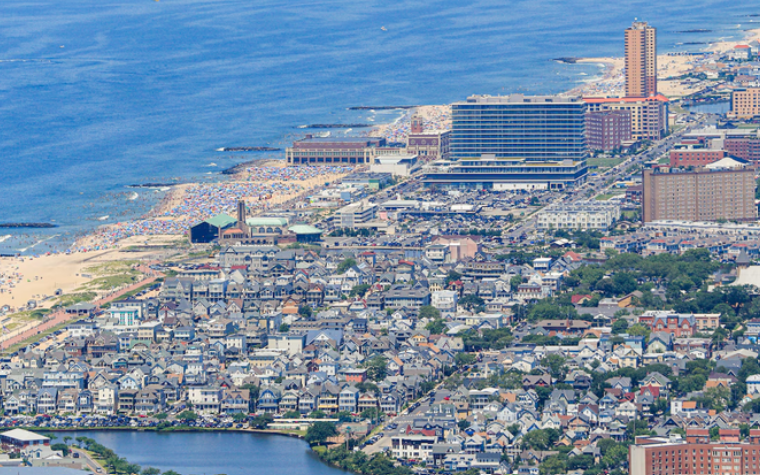
In Monmouth County, officials in Asbury Park approved a resolution calling for both a local and statewide pause on new AI data centers. City leaders expressed concerns that facilities of this size could place significant pressure on local resources, particularly electricity and water supplies. Local officials argued that communities must carefully evaluate whether they have the infrastructure needed to support large-scale developments before approving new projects.
Shortly afterward, neighboring Red Bank also took action by approving a ban on data centers within the borough. Local leaders there emphasized that the issue extends beyond municipal boundaries and requires attention at the state level. Along with the local prohibition, officials called on state policymakers to pause approvals of new large-scale facilities until additional safeguards and oversight measures are in place.
Although neither Asbury Park nor Red Bank currently has publicly known plans for new data center construction, local officials said they wanted to act proactively as interest in New Jersey continues to grow among developers seeking locations for AI-related infrastructure.
In Somerset County, Warren Township joined the list of municipalities restricting data center development after the township council unanimously approved a ban. Township officials stated that while local action is important, they believe broader state involvement will ultimately be necessary to address concerns associated with large-scale AI infrastructure.
Meanwhile, Sayreville in Middlesex County introduced an ordinance that would establish an 18-month moratorium on data center development. If approved, the temporary restriction would provide local officials with additional time to evaluate the potential effects of future projects and consider regulatory options.
The debate over AI data centers has intensified across New Jersey in recent months as developers increasingly look to expand facilities that support artificial intelligence systems and cloud-based technologies. Public attention grew further after residents gathered at a local council meeting in opposition to a major AI data center project currently under construction in Kenilworth. The project, valued at approximately $1.8 billion, has become a focal point in discussions about the future of data center development within the state.
Supporters of restrictions argue that modern AI-focused data centers require enormous amounts of electricity and water while also creating concerns related to noise, pollution, and strain on local infrastructure. Many community leaders say residents deserve stronger protections before additional projects move forward.
Opponents of a statewide pause, however, maintain that data centers play an important role in economic development and technological advancement. Industry representatives have argued that New Jersey has an opportunity to strengthen its position in the rapidly growing artificial intelligence sector and should remain competitive as demand for AI infrastructure continues to increase nationwide.
According to industry tracking data, more than 60 data centers currently operate across New Jersey. While such facilities have existed in the state for many years, newer projects designed specifically to support artificial intelligence applications have attracted greater public scrutiny because of their larger scale and resource demands.
The latest municipal actions are part of a broader trend that has emerged across New Jersey. Several other communities, including Pemberton Township, Monroe Township, Millville, Andover Township, and East Greenwich, have also adopted restrictions on data center development in recent months as local opposition continues to grow.
Concerns about the expansion of AI infrastructure have also been raised by environmental, labor, and community organizations. A coalition representing more than 60 groups recently urged state officials to temporarily halt approvals for new large-scale data centers until stronger regulations can be implemented.
While state leaders have not announced plans for a statewide moratorium, New Jersey officials have proposed measures aimed at addressing concerns surrounding energy consumption, water use, transparency, and community impacts. The proposed framework would require developers to cover costs associated with grid upgrades linked to their projects, publicly disclose electricity and water usage on a regular basis, and comply with statewide standards addressing environmental and community concerns.
As artificial intelligence continues to drive demand for new digital infrastructure, the debate in New Jersey reflects a broader question facing many communities across the country: how to balance technological growth and economic opportunities with the need to protect local resources, infrastructure, and residents’ quality of life.
Sources
Official statements and actions from municipal governments in Asbury Park, Red Bank, Warren Township, and Sayreville.
New Jersey state government announcements regarding proposed data center regulations and oversight measures.
Public records and council actions related to AI data center development across New Jersey.