New Jersey Governor Mikie Sherrill Reflects on First 100 Days Amid Policy Battles and Economic Concerns
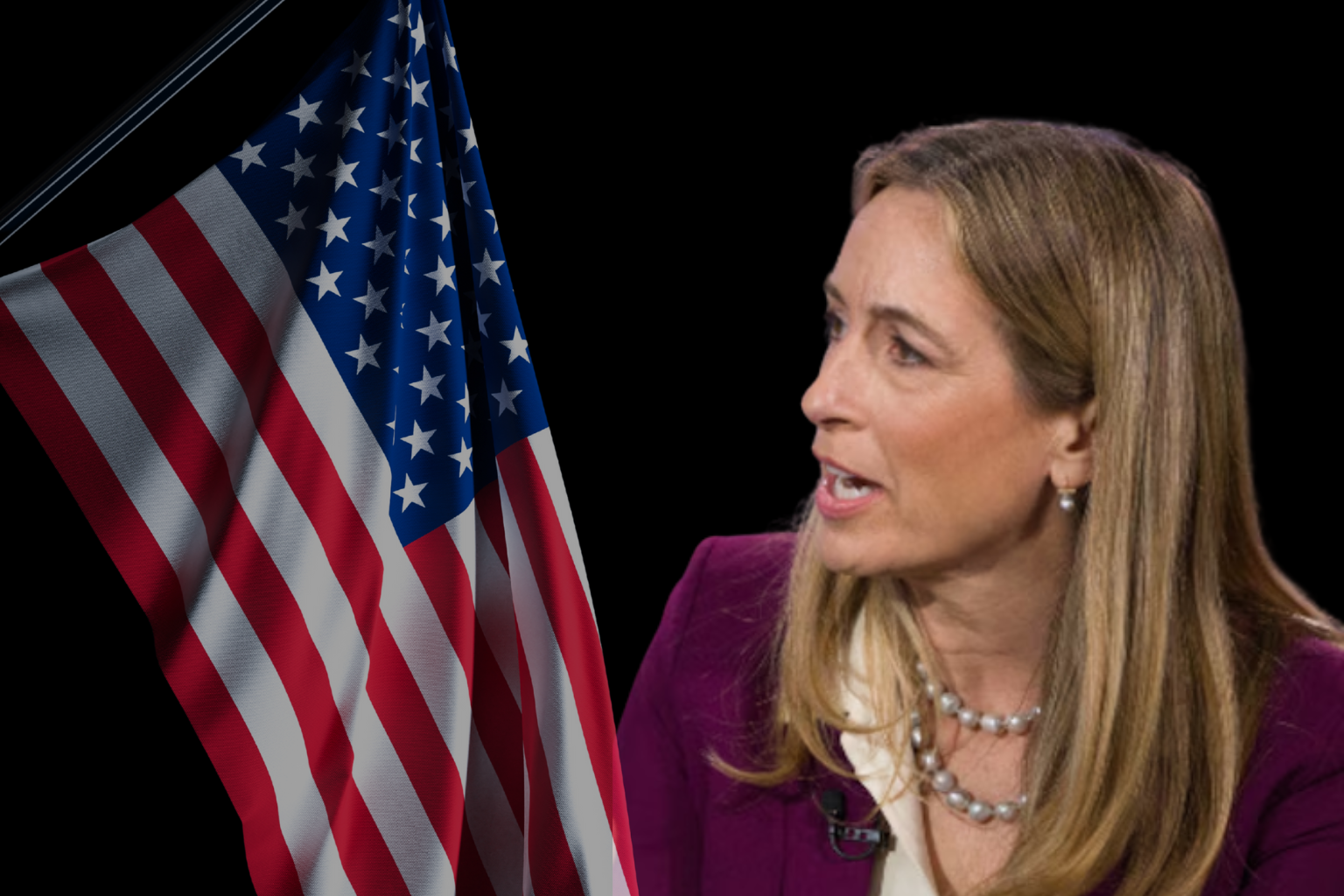
As Mikie Sherrill reaches her 100th day in office, the milestone offers a clear look at how her administration is shaping up in a politically tense and economically challenging environment. The new governor marked the occasion with a public discussion in Newark, where she addressed key issues ranging from affordability and taxation to her ongoing clashes with former President Donald Trump and federal authorities.
Speaking candidly about her early days in office, Sherrill described the experience as intense but rewarding, emphasizing that her administration is focused on solving real problems facing New Jersey residents. She highlighted a series of early actions, including executive orders aimed at freezing utility rates, reducing government bureaucracy, and expanding housing access. She also pointed to legal victories against the federal government, including securing funding tied to major infrastructure projects, as signs of progress.
A significant part of Sherrill’s first 100 days has been defined by her firm stance against policies associated with Donald Trump. While she acknowledged the need to work with federal authorities when it benefits New Jersey, she made it clear that she would not compromise her position or approach governance with deference. Her administration continues to engage with federal agencies on specific initiatives such as energy development, but tensions remain visible, particularly in areas like immigration enforcement.
One of the most immediate legal challenges came when the federal government filed a lawsuit against New Jersey over a law banning law enforcement officers from wearing masks. The policy is part of broader efforts by Sherrill to limit the role and visibility of immigration enforcement operations in the state. Critics argue that such actions conflict with federal authority under the Constitution, but Sherrill defended the law, stating that it promotes transparency and aligns with New Jersey’s policing standards.
Economic concerns have also dominated Sherrill’s early tenure. Rising living costs remain a top issue for residents, and the governor has repeatedly stressed her commitment to making the state more affordable. Her proposed state budget, totaling $60.7 billion, does not include direct tax increases on individuals, but it has still drawn criticism. Opponents argue that changes such as reducing corporate tax benefits, introducing new business fees, and modifying existing tax relief programs effectively place additional financial pressure on certain groups.
A key area of debate is her proposed overhaul of a property tax relief program for seniors. Sherrill aims to reduce the program’s overall cost by tightening eligibility requirements and lowering maximum benefits. She argues that these changes are necessary to address a growing budget deficit that could worsen significantly without immediate action. However, critics warn that the adjustments could negatively impact middle-class residents, not just the wealthiest beneficiaries.
Energy policy has been another focal point. Sherrill’s decision to freeze utility rates was one of her first actions in office, though some experts and critics suggest the move may only delay inevitable increases rather than eliminate them. The governor acknowledged that higher usage, particularly during the summer, could still lead to increased bills, but maintained that stabilizing rates is a step toward long-term affordability. Her administration is also exploring a broader energy strategy that includes expanding nuclear and solar power to reduce costs over time.
Education funding remains an ongoing challenge. Sherrill has pledged to revisit the state’s school funding formula, though no clear timeline has been established. In the meantime, her budget includes increased support for targeted programs such as high-intensity tutoring and mental health services. She has also raised concerns about children’s online safety, signaling plans to provide clearer guidance to parents on issues like smartphone use and digital exposure.
Throughout her first 100 days, Sherrill has positioned herself as a governor willing to challenge both political opponents and members of her own party. She has called for stricter spending controls within the state legislature while remaining open to negotiation on budget priorities. With a deadline for the final state budget approaching, her ability to balance fiscal discipline with public demands will be closely watched.
The early phase of Sherrill’s leadership reflects a mix of assertive policymaking and political friction. While supporters see her as a proactive leader tackling long-standing issues, critics question whether her approach may deepen divisions or create new financial burdens. As her administration moves beyond the 100-day mark, the focus will shift from initial actions to long-term results that directly impact New Jersey residents.
Sources
Official statements and policy updates from New Jersey state government departments
Public records and legal filings from the U.S. Department of Justice
Verified reporting and interview content from NJ Advance Media and state-level political coverage