
New Jersey E-Bike Owners Face Registration Questions as New Rules Take Effect Without Transition Period
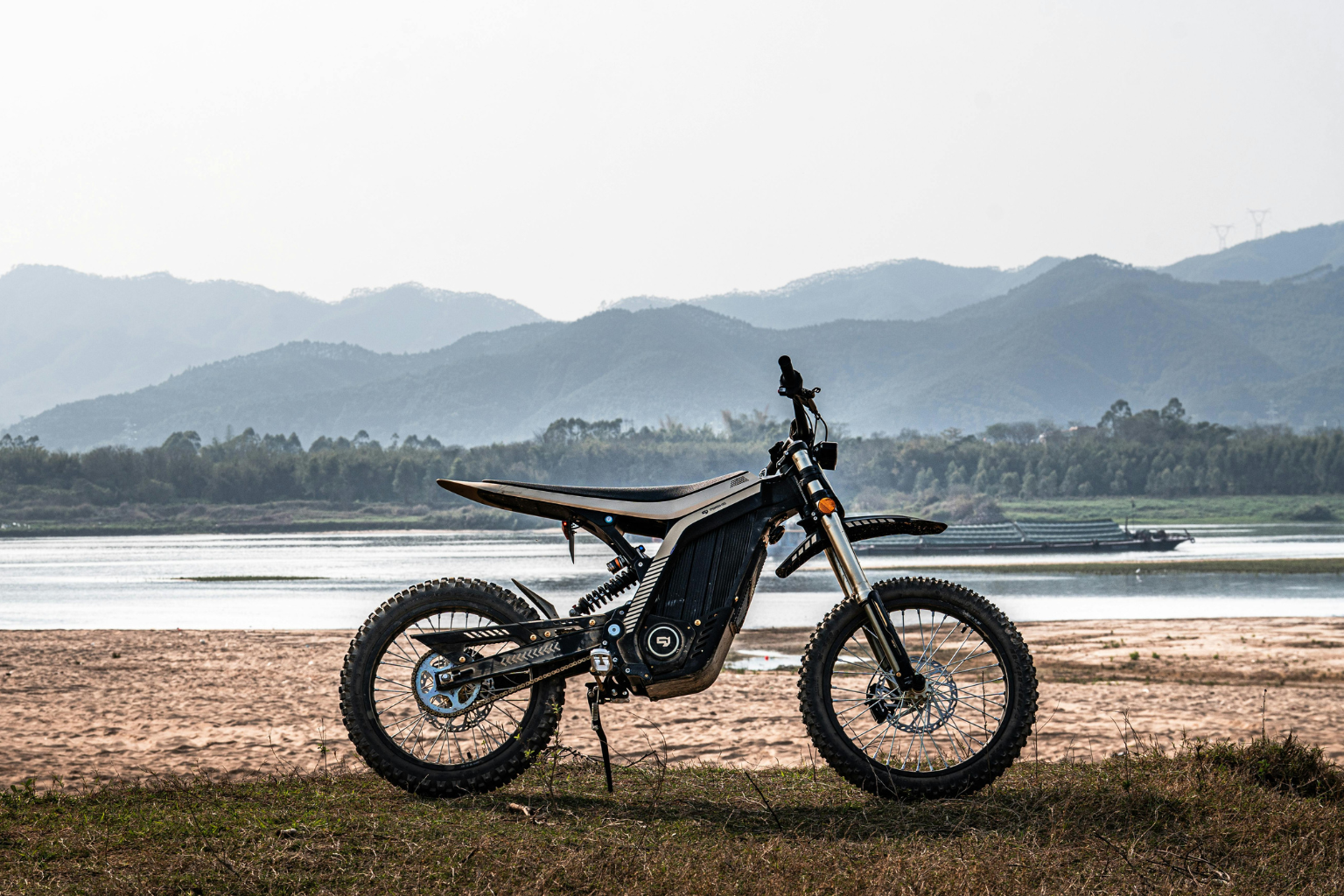
Thousands of New Jersey e-bike riders are trying to understand the state’s new electric bicycle requirements after the law officially took effect on July 19. While the New Jersey Motor Vehicle Commission (MVC) started accepting registrations in late June, many owners say they are still unsure about the registration process, insurance requirements, required documents, and how different types of e-bikes are classified under the new rules.
The confusion has become widespread enough that public officials have stepped in to answer residents’ questions. U.S. Representative Josh Gottheimer recently hosted a video question-and-answer session with officials from the New Jersey Motor Vehicle Commission to address concerns from constituents. At the same time, social media platforms and bicycle advocacy organisations have been filled with questions from riders seeking clarification about the law and how it is being enforced.
One of the biggest concerns for many owners is that the law took effect immediately without any grace period. According to the New Jersey Motor Vehicle Commission, e-bike owners who are required to register their vehicles must already comply with the law. The MVC began processing registrations on June 26, giving owners several weeks before the law officially became effective.
As of July 17, the MVC reported issuing approximately 6,250 e-bike registrations and around 320 e-bike licence permits. To encourage compliance, registration and licensing fees have been temporarily waived until January 2027. However, sales tax is still collected when an e-bike is registered for the first time if applicable under state requirements. Once the fee waiver expires, expected charges will include a $5 permit fee, a $6 licence fee, and an $8 registration fee.
Despite the temporary fee waiver, many riders say the registration experience has not been consistent across MVC locations. Some residents reported being charged registration fees that should currently be waived, while others said they were asked to provide different types of ownership documents depending on which MVC office they visited.
Bike advocacy groups have also raised concerns after hearing reports from riders who received conflicting instructions during the registration process. According to the New Jersey Bike and Walk Coalition, some owners were required to submit notarised ownership documents, while others completed registration without notarised paperwork. The organisation also said some people were required to pay sales tax on e-bikes they purchased years ago, even though they believed taxes had already been paid when the bikes were originally bought.
The coalition and several other advocacy groups are calling for changes to the law. They argue that regulations should focus more directly on faster Class 3 e-bikes and e-motorcycles, which they believe present greater safety concerns, rather than creating confusion for riders using lower-speed electric bicycles.
Among the questions submitted by residents was whether a throttle-powered e-bike with a top speed of 20 miles per hour requires insurance. The MVC explained that an e-bike meeting that description is considered a motorised bicycle or moped under the law. As a result, it must be registered and covered by liability insurance before it can be legally operated.
Another common concern involved inherited e-bikes. The MVC clarified that an e-bike does not need a title to be registered. Individuals inheriting an e-bike should schedule an appointment with the MVC and bring valid identification, proof of insurance if the vehicle qualifies as a motorised bicycle, and proof of ownership or a completed ownership affidavit.
For owners who no longer have a purchase receipt or other ownership documents, the MVC allows several forms of proof. Acceptable documents include a Manufacturer’s Certificate of Origin, a purchase receipt, or an ownership affidavit completed as part of the official registration form. The affidavit allows applicants to explain how they obtained ownership when no formal proof is available and can be completed before visiting an MVC office.
Helmet requirements have also generated questions from riders. The MVC stated that operators of motorised bicycles must wear safety helmets that meet specifications established by the U.S. Department of Transportation. This requirement applies to vehicles classified as motorised bicycles under the law.
Questions have also been raised about how MVC staff distinguish between legal e-bikes and higher-speed electric motorcycles during registration. Some riders expressed concern that faster off-road electric motorcycles could potentially be registered as lower-speed e-bikes. In response, the MVC said providing false information during registration is against the law, although it did not explain how staff members are trained to identify different vehicle classifications.
Some riders have already shared personal experiences that illustrate the challenges they encountered while complying with the new law. One owner said he was required to pay more than $100 in sales tax while registering an e-bike he had purchased eight years earlier. Because the original bike shop had closed and he no longer had his receipt, he was unable to prove that sales tax had already been paid at the time of purchase.
Advocacy groups also reported examples of electric motorcycles being successfully registered as low-speed electric bicycles, raising additional concerns about how vehicle classifications are being handled during registration. According to the groups, MVC officials have maintained that the legal responsibility for providing accurate vehicle information rests with the person registering the bike.
Some riders believe stronger enforcement of existing traffic laws would be a more effective solution than expanding registration requirements. They argue that unsafe riding behaviour should be addressed directly rather than creating additional administrative steps for owners of lower-speed pedal-assist bicycles.
As implementation of the new law continues, many New Jersey e-bike owners are still looking for clear and consistent guidance. While the MVC has answered several frequently asked questions, advocacy organisations say additional clarification and possible legislative changes may be needed to reduce confusion for riders and ensure the law is applied consistently across the state.
Sources
- New Jersey Motor Vehicle Commission (MVC)
- New Jersey Legislature
- U.S. Department of Transportation (USDOT)