Severe Weather Throws U.S. Air Travel Into Turmoil as Thousands of Flights Face Delays
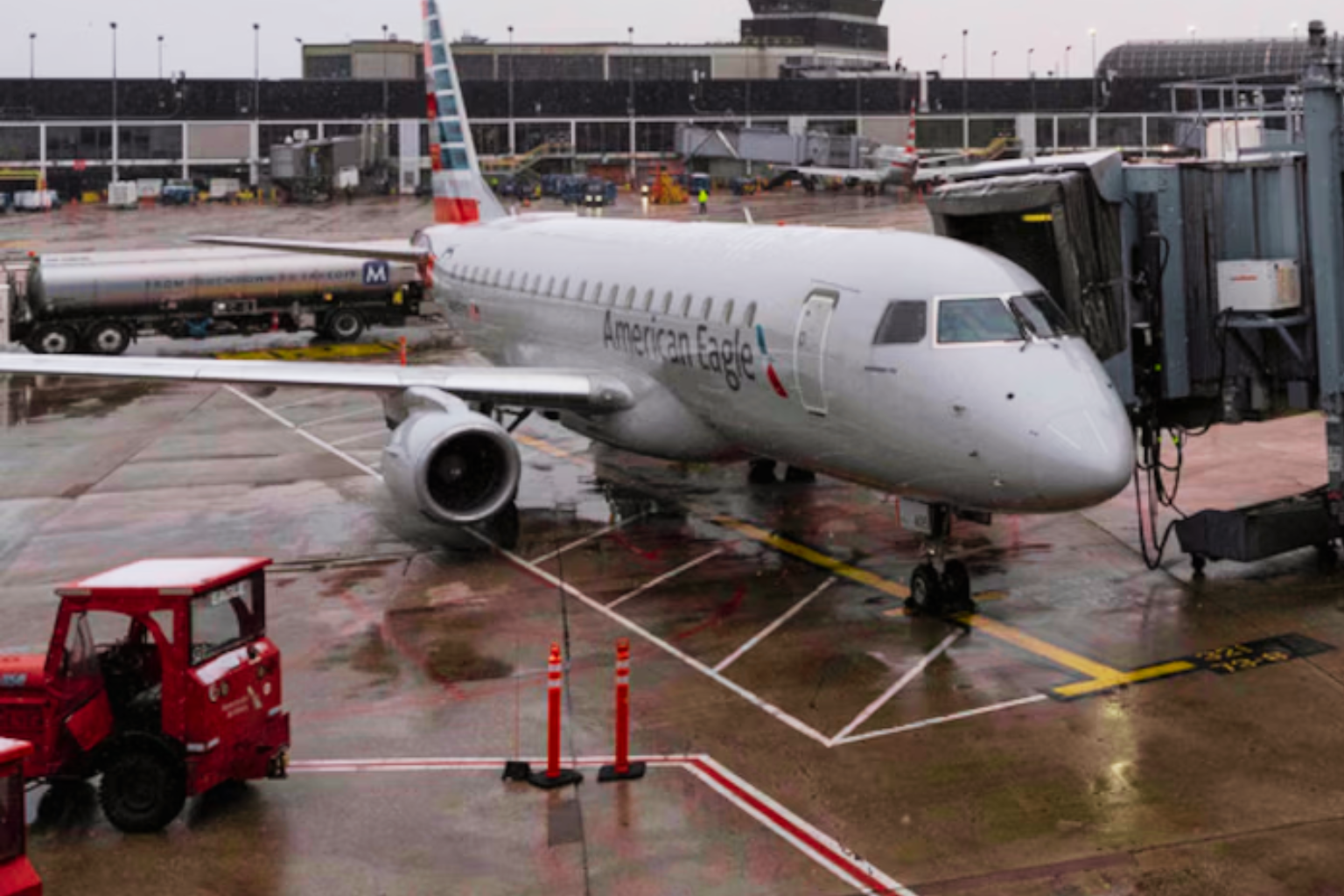
Air travellers across the United States faced another difficult day Monday as severe weather and air traffic restrictions disrupted operations at airports around the country. More than 2,000 flights were delayed and hundreds were cancelled, leaving passengers dealing with missed connections, changing departure times and uncertain travel plans.
According to flight-tracking data cited in the latest disruption reports, more than 2,036 flights were delayed and at least 263 were cancelled. The disruptions were not limited to one region, with several major airports experiencing significant operational problems.
Chicago O’Hare International Airport was among the hardest-hit airports. The airport recorded 87 delays and 48 cancellations during the affected period. Because O’Hare is one of the busiest aviation hubs in the country, problems there can quickly spread to flights travelling to other cities.
United Airlines also reported a high number of disruptions. The airline recorded 163 delayed flights and 33 cancellations, making it the U.S. carrier with the largest number of reported delays and cancellations in the latest figures.
The main concern for travellers was severe weather. Thunderstorms can create major challenges for commercial aviation because aircraft cannot always safely take off, land or remain in certain areas when dangerous weather moves through. Even when storms are located away from an airport, they can affect routes used by arriving and departing aircraft.
The Federal Aviation Administration, which manages the nation’s air traffic system, issued several ground stops during the disruption period. Ground stops are temporary measures that prevent certain flights from departing toward an affected airport or area. They are generally used when weather, congestion or other operational conditions make it difficult to safely handle additional aircraft.
Among the airports affected by FAA ground-stop measures on Aug. 9 were Chicago O’Hare International Airport, Chicago Midway International Airport, Denver International Airport, Las Vegas Harry Reid International Airport and Tampa International Airport.
The restrictions were particularly important for Chicago because thunderstorms had already affected operations around the region. When a major hub experiences a weather-related slowdown, the impact can continue even after the skies begin to improve. Aircraft may arrive late, crews can be displaced from their scheduled locations and gates may become unavailable for incoming flights.
This creates what is commonly known as a ripple effect. A flight that leaves one airport late may arrive at its destination behind schedule. The same aircraft may then be scheduled to operate another flight, meaning the second trip can also be delayed. The process can continue throughout the day and affect passengers who may be hundreds or even thousands of miles away from the original weather problem.
That is why a passenger flying from one city to another can experience a delay even when the weather at their own airport appears clear. The aircraft, crew or connecting flight may have been affected by conditions somewhere else in the airline’s network.
Chicago O’Hare is especially important in this regard because of its large number of daily connections. Delays at the airport can affect passengers travelling across the Midwest as well as people connecting to destinations on the East and West coasts.
United Airlines’ large number of affected flights also reflects the carrier’s extensive presence at major U.S. hubs. When weather restrictions affect a hub, a large number of flights operated by that airline can become part of the disruption.
For passengers, the situation can be frustrating because a delayed flight does not always mean it will eventually be cancelled. Airlines may continue waiting for weather conditions to improve, aircraft to arrive and airport operations to return to normal before making a final decision.
Travellers should therefore avoid relying only on the original departure time printed on their ticket. Flight information can change several times during a weather event.
Passengers with flights scheduled during periods of severe weather should check their airline’s website or mobile application before leaving for the airport. It is also useful to turn on airline notifications because gate assignments, departure times and cancellation information can change quickly.
People travelling with connecting flights should pay particular attention to their connection time. A delay on the first part of a trip can make it difficult to reach a connecting flight, especially at a large airport where passengers may need additional time to change terminals or gates.
If an airline cancels a flight, passengers should contact the carrier as soon as possible to discuss available alternatives. Depending on the circumstances and the airline’s policies, travellers may be offered another flight or other options.
Keeping essential items in a carry-on bag can also make an unexpected delay easier to manage. Medication, identification documents, chargers, important travel information and other necessities are better kept with the passenger rather than in checked luggage.
Travellers should also review the airline’s policies regarding cancellations, rebooking and refunds. Passenger rights can vary depending on the reason for the disruption and the circumstances surrounding a particular flight.
The latest disruptions also highlight how dependent the U.S. aviation network is on weather conditions. Airlines and federal aviation authorities have procedures designed to manage severe weather, but those measures can still result in significant delays when storms affect busy airports or major flight routes.
Weather-related disruptions are different from airline cancellations caused by maintenance, staffing or scheduling problems. In a severe weather situation, air traffic controllers may need to reduce the number of aircraft entering a particular area to maintain safe spacing and prevent congestion.
The result can be frustrating for travellers, but these restrictions are designed around safety rather than convenience.
For passengers travelling Monday and into the following days, the most important step is to monitor flight information closely. Conditions can change quickly, and the status shown several hours before departure may not be the same later in the day.
The latest figures show how quickly weather problems can turn into a nationwide travel issue. While thunderstorms may begin over one part of the country, their effects can move through the airline network as aircraft, crews and passengers continue travelling between major hubs.
With more than 2,000 delays and hundreds of cancellations already reported, travellers should prepare for possible schedule changes and allow additional time for connections. Checking flight status before heading to the airport, staying in contact with the airline and having a backup plan can help reduce the stress caused by unexpected disruptions.
For anyone flying through major hubs such as Chicago, Denver, Las Vegas or Tampa, extra caution may be especially important while weather-related restrictions remain possible. The Federal Aviation Administration continues to monitor the national airspace system and can introduce additional traffic-management measures when conditions require them.
The broader lesson for travellers is simple: during periods of severe weather, a flight schedule is not always fixed. Even a flight that is currently showing as on time can be affected later if weather disrupts another airport or the aircraft assigned to the route.
Passengers who stay informed and act quickly when their plans change are more likely to find alternative arrangements before available seats become limited. As airlines work to recover from the disruptions, delays may continue to move through the network even after the worst weather has passed.
Sources
Federal Aviation Administration (FAA), Air Traffic Control System Command Center — official air traffic and operational advisories.
Federal Aviation Administration (FAA), National Airspace System operational information.
FlightAware — flight delay and cancellation tracking data referenced in the reported disruption figures.
Chicago O’Hare International Airport — official airport information and passenger travel updates.