New Airport Security Scanners Could Affect Carry-On Bags Before You Reach Your Gate
Travelers flying within the United States may need to pay closer attention to the size of their carry-on bags as airport security procedures continue to evolve. While airlines have long enforced carry-on size limits at boarding gates, newer screening technology is now adding another checkpoint where oversized bags may create delays.
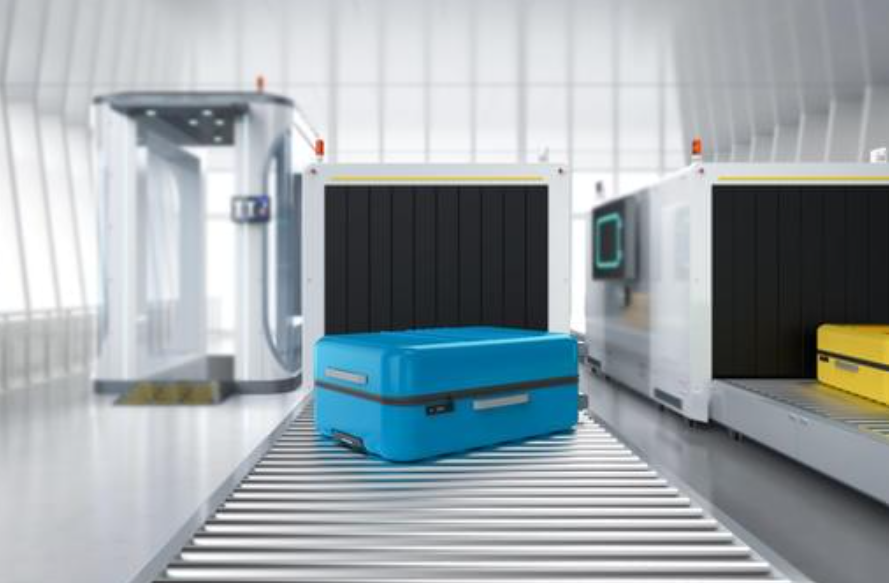
The change comes as the Transportation Security Administration (TSA) continues installing advanced 3D computed tomography (CT) scanners at airport security checkpoints. These scanners are designed to improve the screening process, but they also have physical size limits that some carry-on bags may not meet.
As more airports receive the upgraded scanners, passengers who normally pack their carry-on bags to the maximum allowed size should take extra care before heading to the airport.
The TSA has expanded the use of advanced 3D CT scanners across its security checkpoints, with more than 250 checkpoints already equipped with the technology as of last year. Unlike older X-ray machines, these scanners use a smaller entry tunnel, meaning every carry-on bag must physically fit through the machine before it can be screened.
The scanner opening measures approximately 24.5 inches wide and 16.5 inches high. If a carry-on bag cannot pass through the scanner, TSA officers may instruct the traveler to leave the security line and return to the airline’s check-in counter to check the bag before going through security again.
This adds another reason for travelers to make sure their luggage meets both airline requirements and airport screening equipment limitations before arriving at the terminal.
For most domestic U.S. airlines, the standard carry-on size remains 22 inches long, 14 inches wide, and 9 inches tall. These limits have traditionally been checked by airline staff at boarding gates or by using luggage sizing frames placed near departure areas.
With the introduction of the newer CT scanners, the screening process itself may now become an earlier point where oversized bags are identified. Even if passengers expect to carry their luggage onto the aircraft, the bag must first fit through the security scanner.
Passengers planning to travel through airports equipped with the new screening systems should consider measuring their carry-on bags before leaving home. Confirming that luggage meets both airline size rules and the scanner’s physical limitations can help avoid unexpected delays at security.
Travelers can also create extra room in their luggage by wearing bulky items such as jackets, sweaters, or boots instead of packing them inside the bag. This simple step may help reduce the overall size or fullness of the carry-on and make travel more convenient.
Another important reminder involves traditional film used in cameras. Unprocessed film should not be placed inside a carry-on bag for screening. Instead, travelers should present it separately and request a hand inspection. Because this process takes additional time, passengers should plan to arrive approximately 15 to 20 minutes earlier than usual if they need a manual inspection.
The rollout of advanced CT scanners reflects ongoing efforts to modernize airport security while maintaining efficient passenger screening. For travelers, the best way to avoid disruptions is to verify luggage dimensions before arriving at the airport and allow extra time if carrying items that require special handling.
As airports continue adopting the newer screening technology, careful packing and checking bag measurements in advance can help passengers move through security more smoothly and reduce the chances of having to check luggage unexpectedly.
Sources
- Transportation Security Administration (TSA)
- Simple Flying
- AOL.com
- Kubus Photo Service