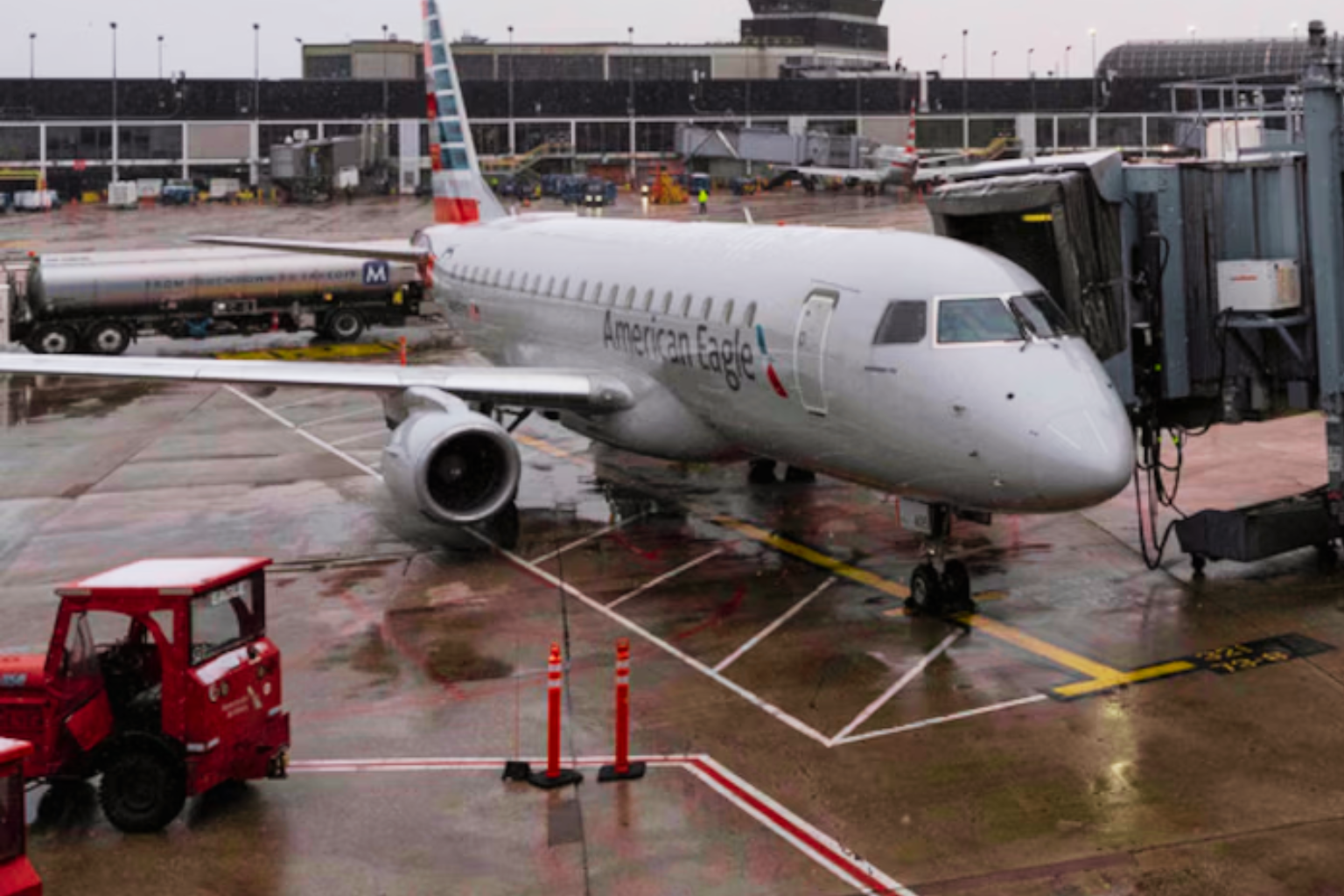
World Cup Travel Plans Face Test as NJ Transit Train Ticket Demand Remains Lower Than Expected Ahead of MetLife Opener
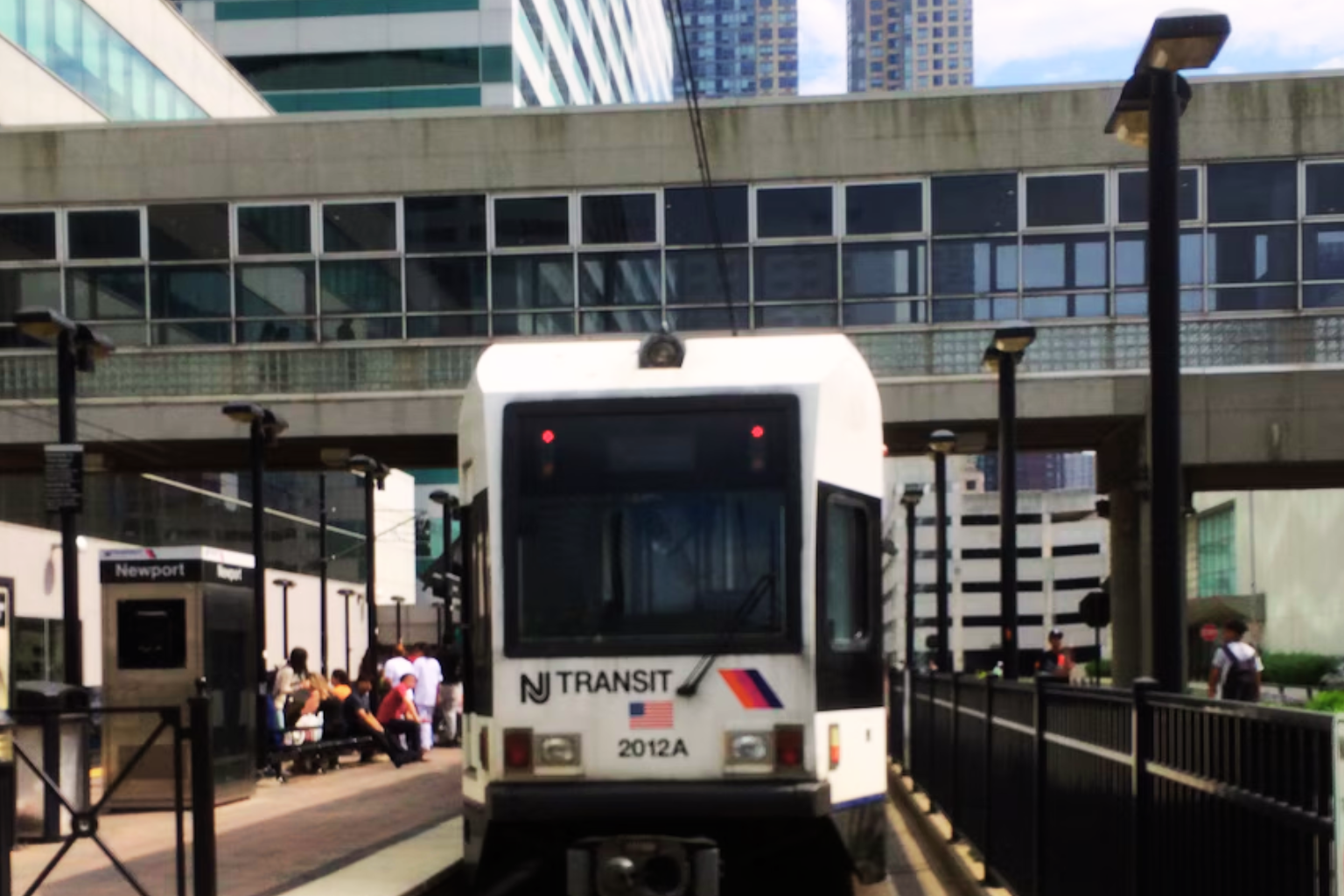
World Cup Travel Plans Face Test as NJ Transit Train Ticket Demand Remains Lower Than Expected Ahead of MetLife Opener
With the first FIFA World Cup match at MetLife Stadium scheduled for June 13, transportation officials are closely monitoring travel ticket sales as large numbers of fans have yet to finalize how they will get to and from the venue. While transportation systems are preparing for significant crowds, train ticket sales remain well below the levels expected for the opening match.
Officials involved in planning for the tournament expect approximately 40,000 spectators per match to use public transportation services, including NJ Transit rail service and dedicated bus routes connecting fans to MetLife Stadium. Across the eight World Cup matches scheduled at the stadium, transportation planners have made hundreds of thousands of travel tickets available to accommodate projected demand.
However, as of Tuesday, only about 4,000 train tickets had been sold for the June 13 opening match. That figure represents roughly 10 percent of the anticipated rail ridership for that game, raising concerns among some individuals familiar with transportation planning efforts.
One planning official, who was not authorized to publicly discuss the matter, said transportation organizers still face a major challenge in encouraging fans to purchase travel tickets before match day. According to the official, the success of the overall transportation strategy depends heavily on a large share of attendees choosing public transit options rather than waiting until the last minute to make travel arrangements.
NJ Transit has spent years strengthening its ability to manage major events following transportation challenges that occurred during Super Bowl XLVIII in 2014. Since then, the agency has focused on improving operations and crowd management procedures for large-scale gatherings throughout the region.
The transportation strategy for the World Cup relies on moving approximately half of the stadium’s spectators through public transit services during each match. Officials believe this approach is necessary because of the scale of the event and changes to available parking options around the stadium area.
NJ Transit Chief Executive Officer Kris Kolluri said more than 18,000 train tickets had been sold across all World Cup matches as of Tuesday afternoon. At the same time, organizers with the New York-New Jersey Host Committee reported that more than 32,000 bus tickets had been purchased for tournament transportation services.
Transportation officials noted that train ticket sales began after fares were reduced from their original pricing. The fare, which was initially set at $150, was lowered before sales opened and later adjusted again to $98. Despite ongoing discussion about affordability, NJ Transit officials indicated there are currently no plans for another fare reduction.
Kolluri said many World Cup match tickets are still held by resellers, making it difficult to accurately predict final transportation demand. According to him, individuals or organizations holding tickets for resale are unlikely to purchase transportation in advance. He expects a clearer picture to emerge as those tickets are transferred to fans who plan to attend the matches.
Officials believe a significant number of transportation purchases may occur during the final days leading up to the tournament. As ticket ownership becomes more settled, transportation planners expect more spectators to choose and purchase their preferred travel options.
To improve visibility and encourage earlier purchases, NJ Transit recently added a dedicated World Cup train ticket section directly on the agency’s mobile application. Officials reported that the change quickly generated additional ticket sales.
Transportation agencies and event organizers have also increased communication efforts. Messages encouraging fans to secure travel arrangements early have been shared through official channels, and outreach efforts continue as the opening match approaches.
While train ticket sales have attracted attention, organizers say bus transportation demand remains strong. Host committee officials reported that several shuttle services have seen steady interest, and transportation planners remain confident that overall travel capacity will be available for fans attending matches.
Officials also emphasized that systems are prepared to process large volumes of ticket purchases even if many buyers wait until the final days before a game. NJ Transit regularly handles substantial daily ticket transactions and believes its technology infrastructure can accommodate increased demand without issue.
For the June 13 opener, officials reported that approximately 5,000 bus tickets had been sold, while around 1,800 parking spaces had been purchased at American Dream, located near the stadium.
The discussion surrounding transportation pricing continues as state leaders balance operational costs with affordability concerns. Officials have pointed out that standard rail service to MetLife Stadium already benefits from significant public support and subsidies, making fare decisions a broader policy issue beyond transportation operations alone.
Another factor shaping transportation planning is the event’s designation as a Level One security event, one of the highest security classifications in the United States. The designation requires extensive security measures and coordination among multiple agencies. Officials expect numerous international leaders and high-profile guests to attend World Cup matches, contributing to the complexity and cost of transportation and security operations.
With just days remaining before the first match, transportation agencies, event organizers, and state officials are continuing efforts to encourage fans to finalize their travel plans early. The coming days are expected to provide a clearer indication of whether current transportation demand will meet the projections established for one of the largest sporting events ever hosted in the region.
Sources:
- NJ Transit
- New York-New Jersey Host Committee