
Why the Real Estate Market Is Shifting Toward Faster Home Selling Options in 2026
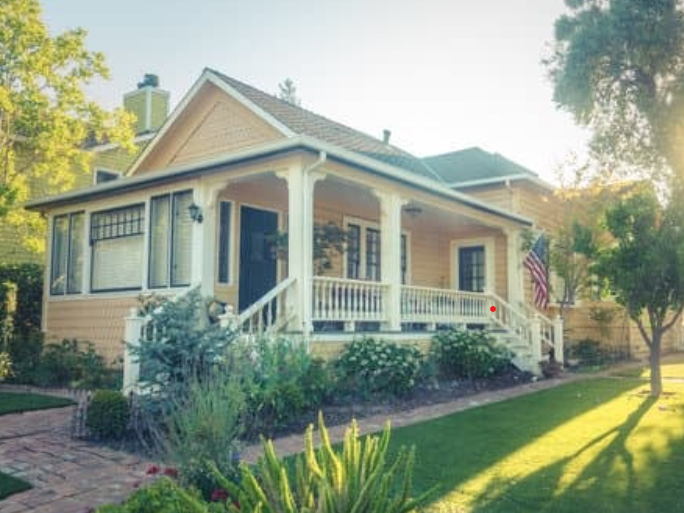
The real estate market in 2026 is going through noticeable changes, especially in how quickly homes are bought and sold. In many regions, homeowners are no longer relying only on traditional real estate listings. Instead, more people are exploring faster and more flexible selling options that better match today’s financial pressures, interest rate conditions, and lifestyle needs.
One of the biggest trends shaping the market is the growing demand for speed. In the past, selling a home often meant waiting several months, preparing the property for showings, and negotiating with multiple buyers. Today, many sellers prefer quicker solutions because holding costs such as mortgage payments, taxes, and maintenance can become a burden. This shift has created a stronger interest in direct home-selling models where homeowners can receive faster offers without long waiting periods.
Another major factor influencing the market is affordability pressure. Higher borrowing costs in recent years have reduced the number of traditional buyers in some areas. When fewer buyers are actively searching, homes tend to stay on the market longer. As a result, sellers are becoming more flexible and open to alternative ways of selling that provide certainty and reduce risk.
Technology is also playing a major role in transforming real estate behavior. Online platforms now allow homeowners to get instant valuations, compare offers, and connect with buyers without visiting physical offices. This digital shift has made the selling process more transparent and accessible, especially for people who want quick decisions instead of long negotiations.
At the same time, lifestyle changes are affecting housing decisions. Many homeowners are relocating for work, downsizing after retirement, or managing inherited properties. In such situations, convenience becomes more important than maximizing every dollar through a long listing process. This is why simplified selling options are becoming more popular, especially among people who prioritize time and certainty.
Another important trend is the rise of “as-is” property sales. Instead of investing money into repairs or renovations before selling, many homeowners now prefer to sell homes in their current condition. This approach reduces upfront costs and helps avoid delays caused by inspection issues or remodeling work. It also makes the process easier for sellers who may not have the time or resources to upgrade their property.
Investor activity is also shaping the current real estate environment. Many investors are actively looking for properties they can purchase quickly, renovate, and resell or rent out. This demand supports faster transactions and encourages more direct selling opportunities for homeowners who want a simple exit strategy.
Overall, the real estate market is moving toward efficiency, flexibility, and speed. While traditional methods are still widely used, they are now competing with faster and more convenient alternatives. Homeowners today have more options than ever before, and choosing the right one depends on their financial situation, timeline, and personal priorities.
As the market continues to evolve, one thing is clear: the future of real estate is not just about selling homes, but about making the process simpler, faster, and more adaptable to modern life.