
Why Miss Manners Says You Shouldn’t Feel Pressured to Open Your Home to Every New Friend
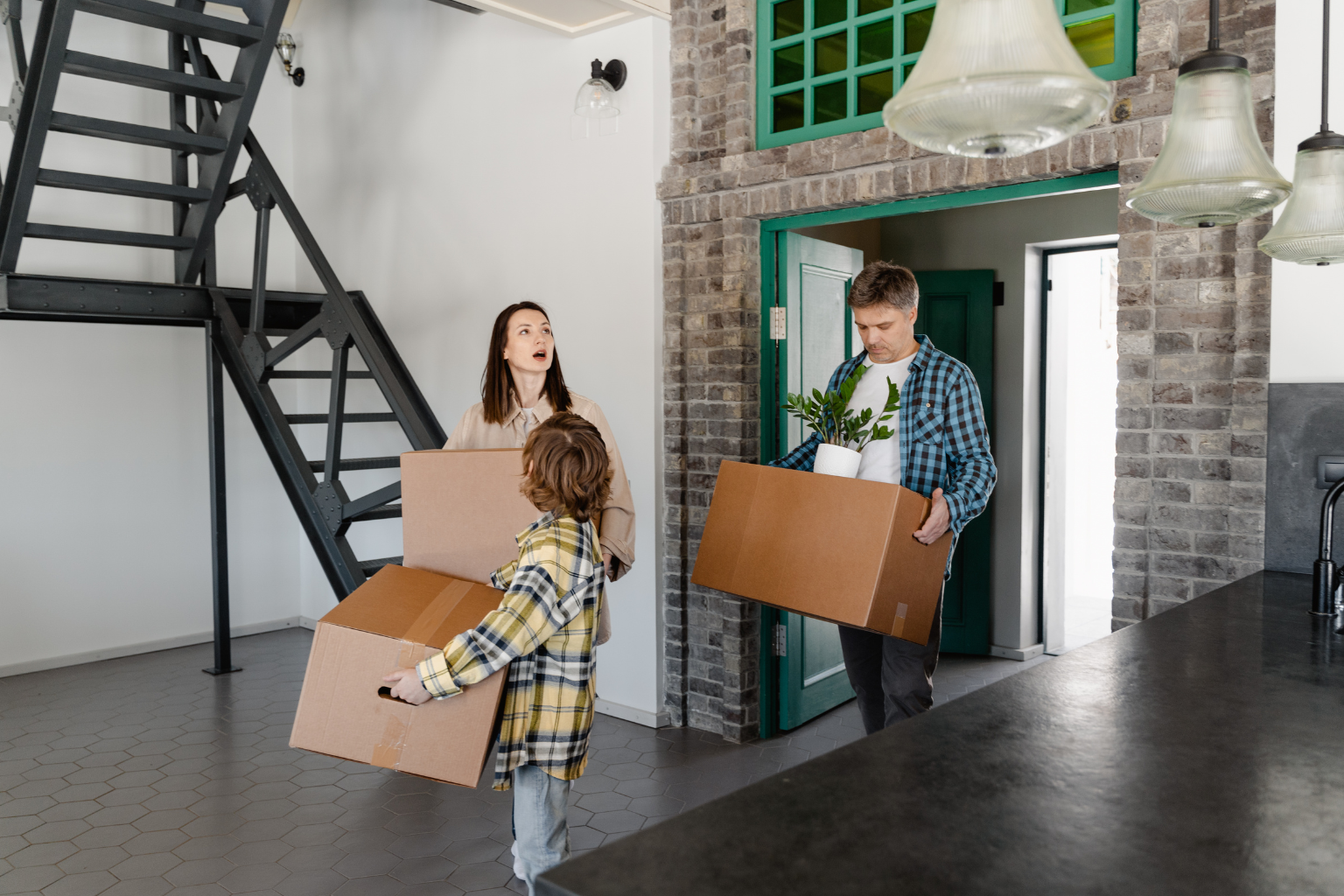
Building new friendships can be exciting, especially after making a conscious effort to become more social. But as those friendships grow, many people find themselves facing unexpected situations that can be difficult to handle politely. One reader recently turned to etiquette expert Miss Manners after feeling uncomfortable about new friends repeatedly asking to visit and even inviting themselves to the reader’s home.
The reader explained that over the past several months, they had worked hard to overcome loneliness by becoming more outgoing, strengthening relationships, and improving face-to-face social skills that had faded over time. Their friendly personality and creative interests helped them connect with many new people, but they also created an unexpected problem.
According to the reader, many of these new friends seemed eager to visit their apartment. Some mentioned it frequently, while others assumed they could simply come over without waiting for an invitation. The reader felt that friends had developed an unrealistic image of the home, imagining it as a colourful and creative space that reflected the welcoming personality they experienced during social interactions.
In reality, the situation was much different.
The reader shared that they live in a modest 370-square-foot studio apartment with simple furnishings, bare walls, and everyday clutter. Although they genuinely love their home and are proud of living within their financial means, they worried that visitors might be disappointed because the apartment does not match the image people seem to have created in their minds.
More importantly, the issue was never about embarrassment over the size or appearance of the apartment. Instead, the reader wanted to maintain personal boundaries. They enjoy occasionally inviting one or two close friends over for a relaxed visit, but they do not want to feel obligated to entertain people whenever someone decides they want to stop by.
Feeling increasingly pressured, the reader admitted they had even considered intentionally making the apartment look messy before hosting a gathering, hoping that once everyone saw the reality of the space, the constant requests would finally stop. Before taking that drastic step, however, they asked Miss Manners whether there might be a more polite solution.
Miss Manners offered a calm and practical response.
Rather than trying to discourage friends through embarrassment or creating an unpleasant environment, she suggested simply inviting friends over individually from time to time. By allowing people to see the apartment naturally and on the reader’s own schedule, expectations would likely adjust on their own.
Her advice emphasised that there is nothing wrong with having a modest home. Friends who genuinely value the relationship are unlikely to judge someone based on the size or appearance of their living space. At the same time, homeowners and renters alike have every right to decide when and whom they invite into their personal space.
The guidance also reinforces an important etiquette principle: hospitality should always be voluntary. No one is required to open their home simply because others are curious or eager to visit. Healthy friendships respect personal boundaries, and invitations should come from the host – not from guests assuming they are welcome.
In a separate question, another reader raised concerns about rude treatment while volunteering at a free tax preparation centre for senior citizens.
The volunteer serves as a greeter and helps clients complete required paperwork before receiving assistance. Despite offering time freely to support the community, the volunteer said they had repeatedly encountered disrespectful comments from visitors.
Among the remarks were instructions such as “Get on your feet, honey” and comments suggesting that administrative tasks were “women’s work”. The volunteer expressed frustration that individuals receiving a free public service would treat volunteers with such disrespect and asked how to respond appropriately.
Miss Manners acknowledged that the behaviour was unacceptable and reminded the volunteer that good etiquette does not require anyone to tolerate insults. She suggested responding with a calm but firm “I beg your pardon?” when confronted with rude comments. If disrespect continues, it is also appropriate to politely explain that individuals unwilling to follow the required procedures respectfully may wish to seek assistance elsewhere.
Her advice underscores that kindness and courtesy should extend to everyone, especially volunteers who dedicate their time to helping others without expecting compensation.
Both letters highlight a common challenge many people face in everyday life: balancing generosity with healthy personal boundaries. Whether deciding when to welcome guests into a private home or responding to disrespect while volunteering, maintaining politeness does not mean giving up self-respect.
Miss Manners’ guidance encourages readers to remember that courtesy works best when it flows in both directions. Respecting another person’s home, time, and efforts helps create stronger relationships and healthier communities, while clear communication often prevents small misunderstandings from becoming larger problems.
Sources
Andrews McMeel Syndication – Miss Manners
Miss Manners’ Official Website
Society of Professional Journalists (SPJ) Code of Ethics