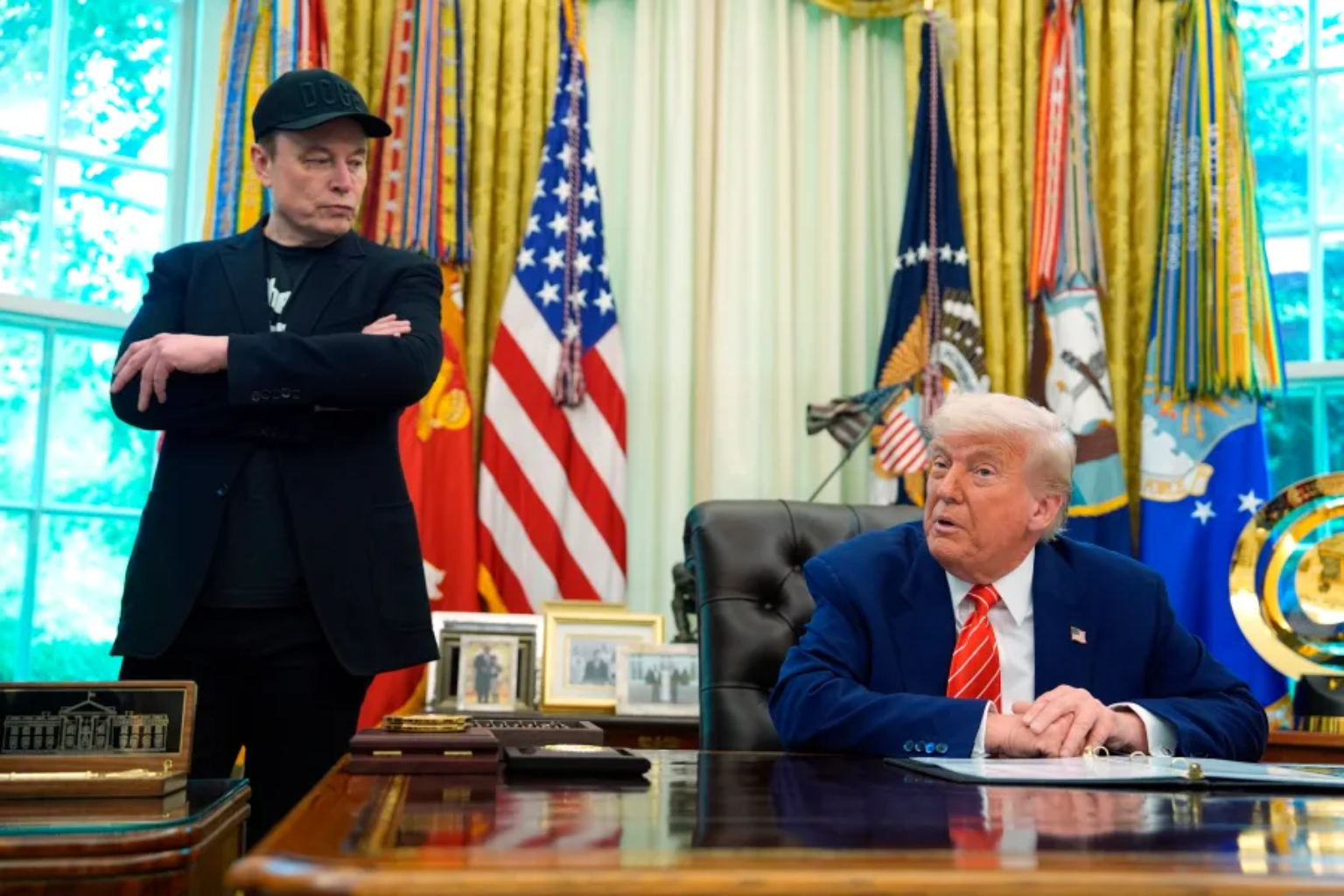
Inflation Poll Signals New Challenge for Trump as Voter Confidence Shifts Ahead of Midterm Battle

A new national poll suggests that inflation, the issue widely credited with helping President Donald Trump return to the White House in the 2024 election, may now be creating fresh political challenges for his administration and the Republican Party.
According to recent polling, Democrats have taken a noticeable lead over Republicans on the issue of inflation. The findings mark a significant change from late 2024, when voters were more likely to trust Republicans to handle rising prices and the overall cost of living. The latest numbers indicate that public opinion has shifted in the opposite direction, highlighting how quickly economic concerns can reshape the political landscape.
Inflation remains one of the biggest issues facing American families. From grocery bills and gasoline to housing and everyday essentials, higher prices continue to affect household budgets across the country. Because of this, voters closely watch how elected leaders respond to economic challenges, making inflation one of the most influential issues in national politics.
Political analysts say the latest polling represents one of the largest opinion swings seen on this issue in recent months. During the 2024 presidential campaign, concerns over inflation played a major role in helping Donald Trump regain support from voters who believed Republicans were better equipped to manage the economy. Many Americans cited rising living costs as one of their top reasons for seeking a change in leadership.
Now, however, the latest survey suggests that Democrats have gained an advantage when voters are asked which party they trust more to deal with inflation. The change reflects growing public concern over the current economic situation and may increase political pressure on the White House as lawmakers prepare for upcoming congressional elections.
Economic issues often have a direct impact on voter decisions because they affect daily life more than many other political debates. Families facing higher expenses typically pay close attention to government policies related to inflation, taxes, wages, energy prices, and consumer costs. As a result, public opinion on the economy can change rapidly if people believe conditions are improving or worsening.
Analysts note that inflation has repeatedly influenced election outcomes in recent years. It became one of the defining issues during the 2024 presidential race and was frequently discussed by both political parties throughout the campaign. At the time, Republicans argued they could better control rising prices and strengthen the economy, a message that resonated with many voters.
The latest polling suggests that the political advantage Republicans previously enjoyed on inflation may no longer be as strong. If this trend continues, it could become an important factor in future elections, particularly in competitive congressional districts where economic concerns often play a decisive role.
Political experts also believe that changing voter attitudes on inflation could affect control of the U.S. House of Representatives. If Democrats continue gaining public trust on economic issues, Republican candidates in closely contested districts may face additional challenges during the next election cycle.
While the House outlook could become more competitive, analysts remain less certain about how the changing political environment might affect Senate races. Senate elections are often influenced by individual state issues, candidate popularity, and regional political trends in addition to national economic concerns.
The latest inflation poll is not the only survey indicating momentum for Democrats. Another recent national poll found that Democratic candidates currently hold an advantage over Republicans in the generic congressional ballot, a common measure used to estimate overall voter preferences before elections.
Polling experts say much of the Democratic advantage is being driven by women voters, who are supporting Democratic congressional candidates by a wide margin. Male voters appear more evenly divided between the two major parties, making women an especially influential voting bloc as campaigns begin preparing for future elections.
Although public opinion surveys provide an important snapshot of voter attitudes, they do not predict election outcomes with certainty. Economic conditions can change quickly, and shifts in inflation, employment, consumer confidence, or government policy may influence how Americans vote in future elections.
With inflation continuing to rank among the country’s top concerns, both Republicans and Democrats are expected to place economic policy at the centre of their political messaging. As Americans continue watching prices at the gas pump, grocery stores, and across the broader economy, public confidence in each party’s ability to address inflation is likely to remain a key issue heading into the next phase of the nation’s political calendar.
Sources
- Fox News Poll
- CNN
- Emerson College Polling