U.S. Lawmaker Suggests Air-Dropping Trump Messages Into Iran to Spark Public Uprising
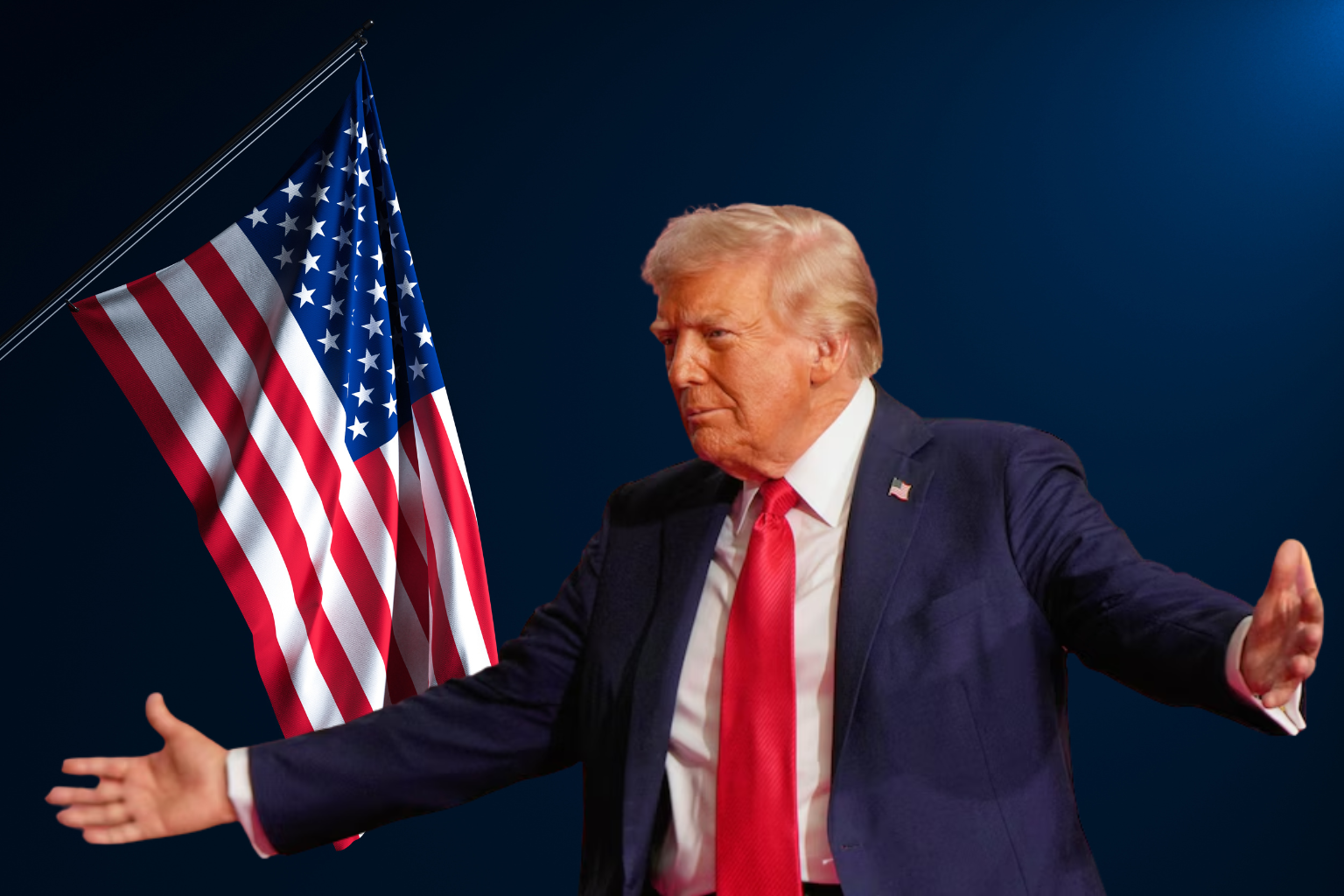
A Republican lawmaker has proposed an unusual strategy to influence public sentiment inside Iran, suggesting that printed copies of former President Donald Trump’s social media posts be distributed across the country by air.
The idea was raised by Representative Abe Hamadeh of Arizona during a lengthy House Armed Services Committee meeting on Wednesday. Speaking directly to Defense Secretary Pete Hegseth, Hamadeh questioned whether the United States was making efforts to communicate directly with the Iranian population, particularly at a time when internet access in the country appears limited.
Hamadeh pointed out that the United States currently holds air superiority over Iran and suggested that this advantage could be used to drop leaflets containing messages from Trump’s Truth Social platform. According to him, such a move might motivate Iranian citizens to protest against their government.
In response, Hegseth did not confirm any specific plans but acknowledged that various options have been explored. He indicated that some of these actions remain classified, while others could potentially help restore communication channels for people inside Iran.
Hamadeh emphasized his belief that Trump’s messaging could encourage public demonstrations. However, he did not specify which of Trump’s posts should be included in the proposed leaflet campaign.
The suggestion comes in the context of ongoing tensions following the U.S.-led military actions that began on February 28. Since then, Trump has made several strong statements regarding Iran, including warnings about severe consequences and threats targeting key infrastructure. These remarks have drawn criticism from political analysts and commentators, who argue that such messaging may not resonate positively with the Iranian public.
Some experts have raised concerns that certain statements could have the opposite effect of what Hamadeh intends. Analysts pointed out that messages perceived as threatening could alienate civilians rather than inspire them to protest. Critics also referenced controversial developments during the conflict, including a military strike on a girls’ elementary school that resulted in significant casualties. While Trump suggested that Iran was responsible for the incident, an early military investigation found that the United States carried out the attack.
Political commentators have questioned whether distributing such messages would be effective or even safe for Iranian citizens. Given the country’s strict laws and harsh penalties for dissent, many believe that individuals would be unlikely to respond openly to foreign messaging campaigns. Reports indicate that Iran has executed multiple political prisoners since the conflict began, highlighting the risks faced by those who oppose the government.
Human rights organizations have also reported a sharp increase in executions, with hundreds carried out in recent months. These figures suggest a broader crackdown that could further discourage public protests, regardless of external influence.
The proposal has sparked debate in Washington and among policy experts about the role of psychological and information-based strategies in international conflicts. While some view communication efforts as a tool to support democratic movements, others warn that poorly chosen messaging could escalate tensions or fail to achieve its intended goal.
At this stage, there is no indication that the U.S. Department of Defense plans to implement the leaflet strategy. The discussion, however, reflects ongoing efforts by policymakers to explore different approaches in dealing with Iran during a period of heightened conflict.
Sources
U.S. Department of Defense
House Armed Services Committee Proceedings
Iran Human Rights (Norway)
Together Against the Death Penalty (Paris)