New Jersey Tightens Oversight as AI Data Centers Expand Across the State with New Proposed Rules and Limits

New Jersey is actively moving to strengthen control over the rapid expansion of artificial intelligence data centers while still encouraging tech-driven investment in the state. As demand for AI infrastructure grows, lawmakers are now introducing a series of proposals aimed at managing electricity consumption, water usage, environmental impact, and transparency in how these large facilities operate.
The state has already positioned itself as an emerging hub for AI-related infrastructure by offering significant tax incentives to attract data center companies. However, the fast growth of these energy-intensive facilities has raised concerns among policymakers, utility experts, and local communities about rising electricity bills and pressure on the power grid.
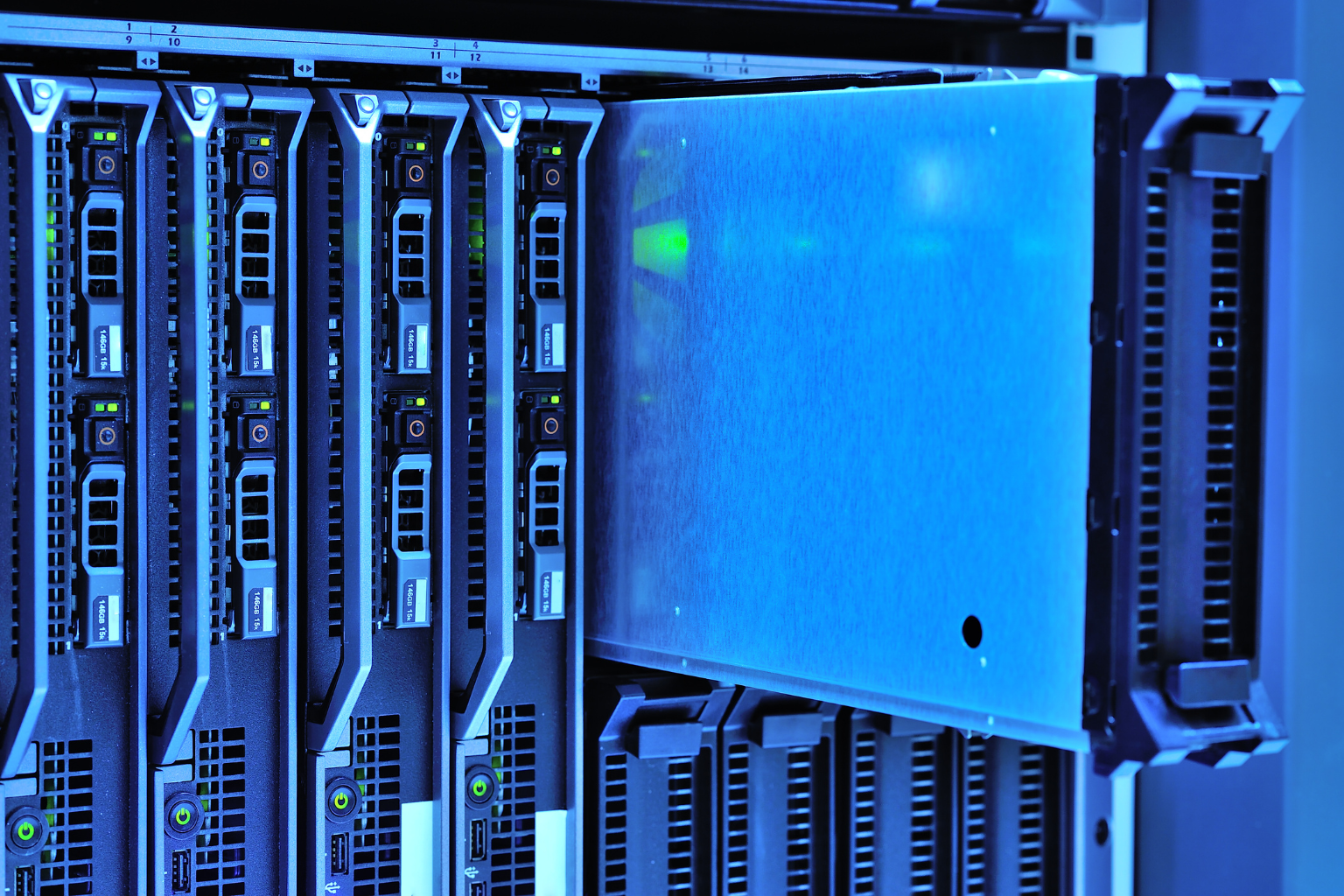
AI data centers, which consist of large warehouse-style buildings filled with high-performance servers, require massive and continuous electricity supply. Some of the newer facilities can consume power equivalent to tens of thousands of homes and also demand large volumes of water for cooling systems. This has led to growing debate in New Jersey, especially as residents reportedly saw notable increases in electricity costs over the past year.
In response, lawmakers in Trenton are now considering five key legislative measures designed to regulate the industry more closely while allowing continued investment.
One of the major proposals focuses on ensuring that large-scale data centers, especially those using 100 megawatts or more, take financial responsibility for the electricity they demand. Under this plan, such facilities would be required to cover a significant portion of their projected energy usage over a long-term period. Supporters argue this would prevent utility costs from shifting to ordinary residents and encourage more energy-efficient operations from tech companies.
Another proposed measure would require data center operators to regularly report detailed information about their electricity consumption and water usage to state regulators. This includes identifying their energy sources and total environmental footprint. Lawmakers behind this initiative say it will help improve oversight as the industry continues to grow and place increasing pressure on New Jersey’s energy infrastructure, which is part of a broader regional power network managed across multiple states.
Transparency is also a major focus of new legislation. One proposal aims to ban the use of confidentiality agreements between data center developers and local government officials during planning discussions. Lawmakers and community groups argue that such agreements often prevent residents from understanding the full scale and environmental impact of proposed projects before they are approved.
Environmental concerns are also shaping policy discussions. Another bill under consideration would require new AI data centers and cryptocurrency mining facilities to rely more heavily on clean energy sources such as wind, solar, hydro, or nuclear power. Developers would also need to present detailed energy plans before receiving approval. However, industry representatives have raised concerns about feasibility, pointing out limitations in current energy supply and grid capacity.
A separate resolution encourages broader coordination across states in the regional power network to ensure consistent clean energy expectations for data centers. Since electricity is shared across a multi-state grid, supporters believe uniform standards would create fairness and avoid shifting high-energy projects to states with fewer restrictions.
Despite growing regulatory pressure, New Jersey continues to promote the data center industry through significant financial incentives. A state-backed program offers hundreds of millions of dollars in tax credits to companies investing in AI infrastructure and job creation. Major projects have already been approved, including large-scale facilities expected to require electricity comparable to that used by entire small cities once fully operational.
State officials argue that the goal is to balance economic development with environmental responsibility and consumer protection. Industry representatives, however, maintain that data centers are essential to modern digital services and contribute significantly to job creation and economic growth, while also investing in grid improvements.
As debate continues, New Jersey finds itself at a critical point—trying to position itself as a leader in artificial intelligence infrastructure while addressing growing concerns about energy sustainability, affordability, and transparency.
Sources:
New Jersey State Legislature proposed bills (S731/A796, S3379, A6181, S680, SR18)
New Jersey Board of Public Utilities (BPU) statements and reporting requirements
New Jersey Economic Development Authority (NJEDA) AI tax credit program
Data Center Coalition industry statements
PJM Interconnection regional grid reports
Office of Governor Phil Murphy public statements