
New Jersey Governor Mikie Sherrill Faces Her First Real Test After a Calm Start
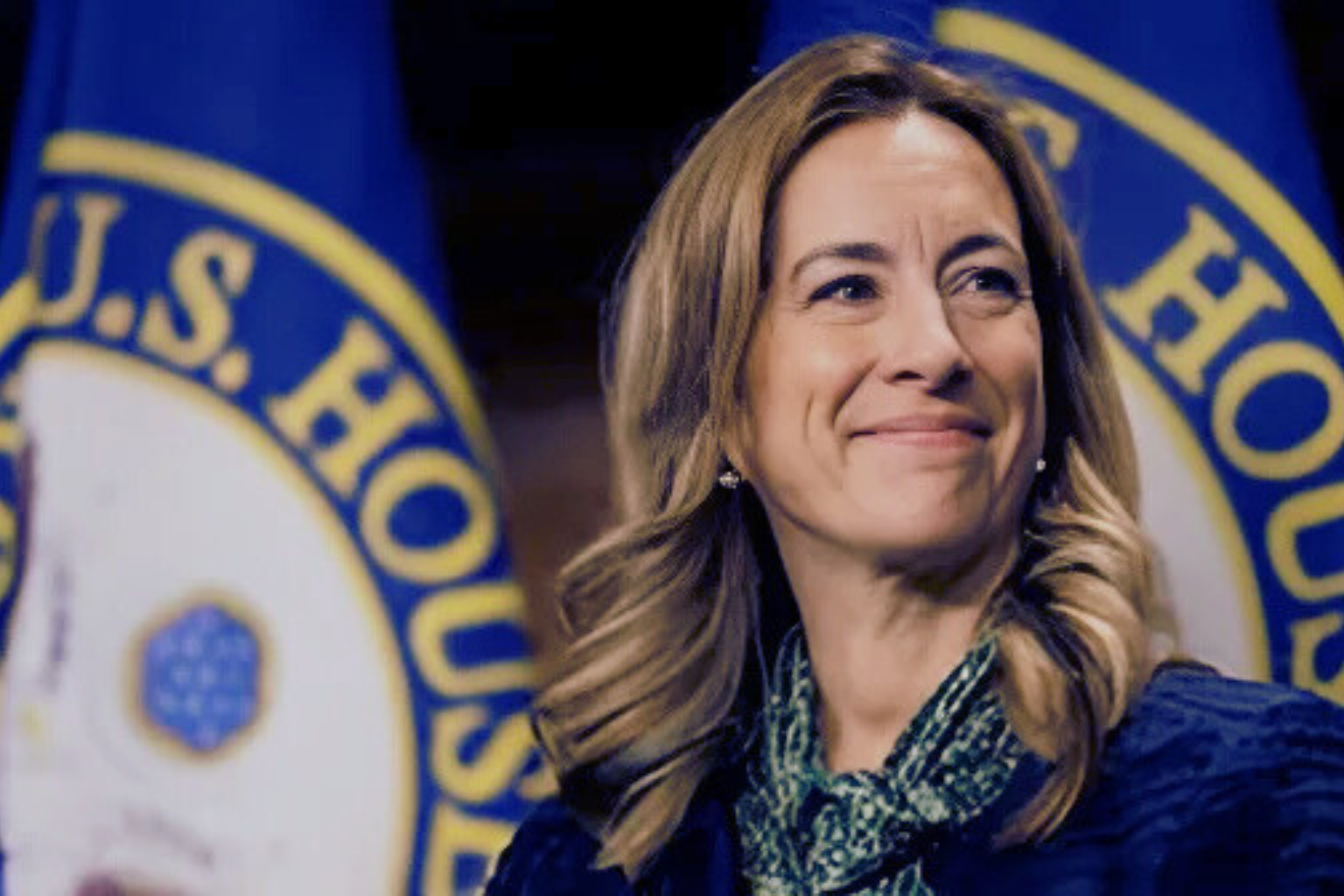
New Jersey Governor Mikie Sherrill has completed her first 100 days in office with a relatively smooth and controlled political start, but the coming weeks are expected to define her leadership more clearly as key decisions begin to take shape. While her early tenure has avoided major controversy, political observers say the real challenges are only now beginning.
At a public event in Newark marking her 100th day, Sherrill appeared confident, composed, and more connected with voters than during her campaign. Speaking for nearly an hour, she addressed a wide range of topics including taxes, national politics, and state priorities. Her ability to handle difficult questions and engage with the audience reflected a shift toward a stronger public leadership style, something critics previously said was missing.
The event drew a large crowd, and Sherrill used the opportunity to present herself as relatable and approachable, sharing personal stories and even light moments. For many attendees, this was a sign that she is growing into the role of governor after a competitive election campaign that left some Democrats uncertain about her candidacy.
Political analysts say her first 100 days have been marked by caution. She has largely avoided divisive political fights, which has helped her maintain steady approval ratings. According to experts, this approach has allowed her to preserve political capital early in her term, giving her flexibility as more complex issues arise.
However, this early period of stability is often described as a “honeymoon phase” for new leaders, and that period may now be ending. With budget negotiations underway, Sherrill is entering a phase where her decisions will have direct consequences for taxpayers, lawmakers, and key stakeholders across the state.
The upcoming state budget is expected to be a major test of her leadership. It will require balancing competing priorities, managing relationships within her own party, and responding to public concerns about affordability. While Sherrill has already outlined her focus areas, including reducing costs for residents and improving housing access, the challenge lies in turning those goals into policy.
Tensions have already begun to surface within her party. During a recent budget address, Sherrill openly criticized past spending decisions by fellow Democrats, signaling a willingness to break from previous approaches. This moment was notable, as top legislative leaders did not publicly support her remarks, highlighting early signs of disagreement that could shape future negotiations.
Her proposal to scale back a major property tax relief program for seniors has also raised concerns among some lawmakers and residents. While Sherrill has emphasized the need to make the program more targeted and financially sustainable, the decision could lead to political backlash if not handled carefully.
At the same time, Sherrill continues to position herself as focused on affordability, a key issue for New Jersey voters. Her administration has pointed to actions such as freezing utility rates and addressing housing challenges as early steps toward easing financial pressure on residents. She has also taken a firm stance in disputes involving large international events, aiming to protect taxpayer interests.
Despite these efforts, not all responses have satisfied the public. Some residents have expressed frustration over specific local concerns, including environmental and health-related issues. Additionally, comments about education performance have sparked criticism, suggesting that even minor missteps can quickly draw attention.
Political history in New Jersey shows that early decisions can have long-term effects. Governors who successfully build public trust in their first year often gain an advantage in future elections, while those who face early setbacks can struggle to recover. For Sherrill, maintaining public confidence while navigating complex policy decisions will be critical.
Her strong election victory provides a foundation, but it does not guarantee continued support. Voters who backed her may still be critical if expectations are not met, particularly on issues that directly impact their daily lives.
As her administration moves forward, the focus will shift from early impressions to measurable outcomes. The coming months will test her ability to lead, negotiate, and deliver results in a challenging political environment.
For now, Sherrill has managed to avoid major conflicts and establish a steady presence in office. But as budget decisions, policy debates, and political pressures intensify, her leadership will face closer scrutiny. The next phase of her governorship is likely to determine not only her political future but also the direction of New Jersey’s policy landscape.
Sources:
NJ Advance Media
Official statements and public event coverage from the New Jersey Governor’s Office
Fairleigh Dickinson University PublicMind Polling Institute