
Rising Gas Prices Spark Political Debate as GOP Defends Economic Record Ahead of Midterms
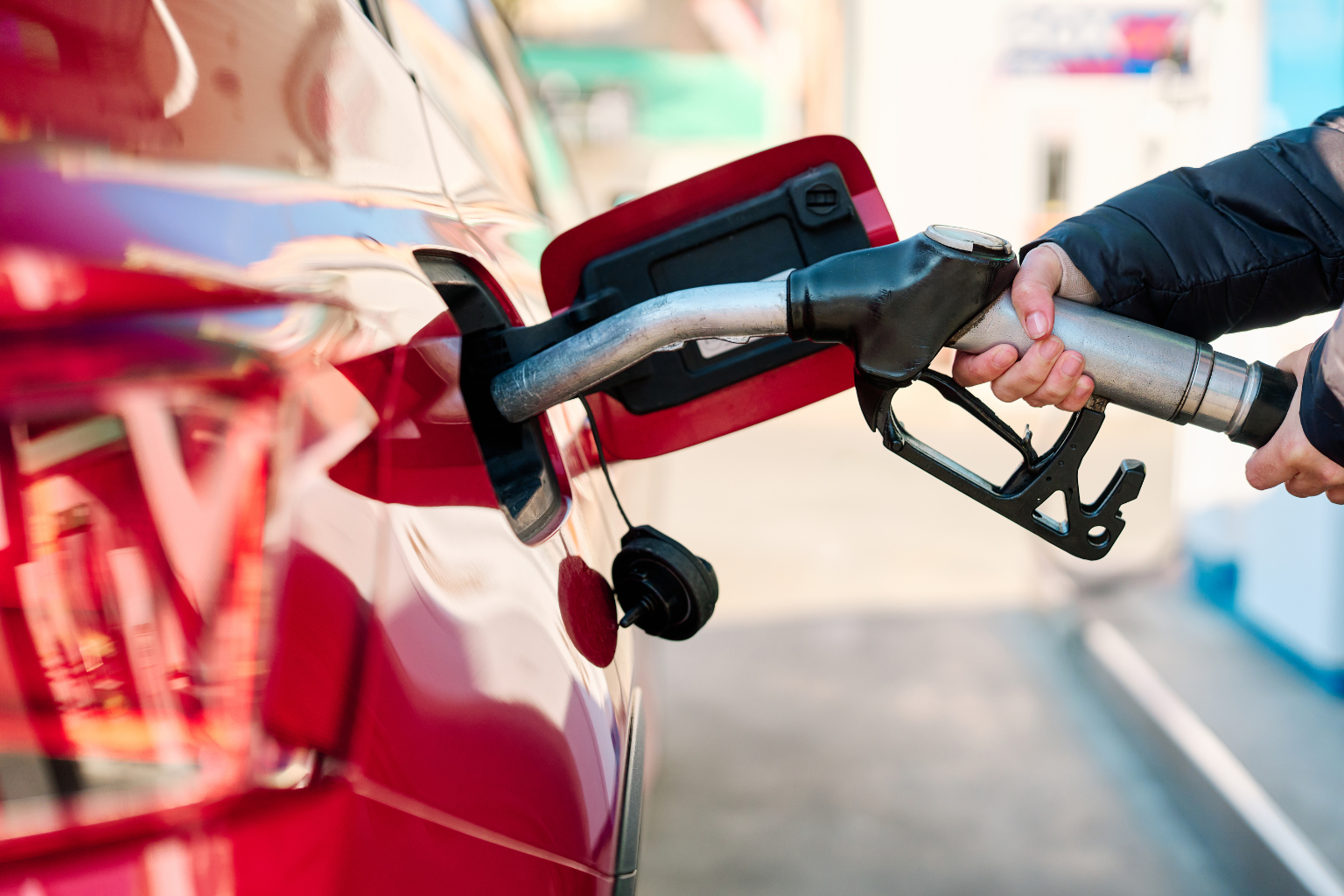
Gas prices in the United States have recently climbed to their highest level since mid-2022, adding fresh pressure on households already dealing with the rising cost of living. The increase has also intensified political debate in Washington as both major parties present different views on the state of the economy ahead of the 2026 midterm elections.
House Majority Leader Steve Scalise, a Republican from Louisiana, has defended his party’s economic record despite the surge in fuel costs. Speaking during a televised interview on CNBC’s “Squawk Box,” Scalise argued that Republicans have made progress in improving affordability and stabilizing key parts of the economy.
He pointed to past fuel prices, saying that Americans were paying significantly more for gasoline roughly two years ago, when prices were closer to the six-dollar range in some periods. He contrasted that with current national averages, which remain in the three to four-dollar range per gallon, even though prices have recently been trending upward again.
At the same time, the national gas price has reached its highest point since July 2022, raising concerns among consumers about continued volatility. According to market data discussed during the interview, the average price of regular gasoline recently increased to around $4.30 per gallon, marking a noticeable jump compared to the same period last year when prices were significantly lower.
The discussion became more detailed as the interviewer challenged some of the figures presented. It was noted that national averages had not reached the extreme levels suggested in the conversation, and historical comparisons showed that prices in early 2024 were closer to the mid-three-dollar range rather than the higher estimates mentioned.
Scalise maintained that broader economic trends still show improvement, pointing to easing inflation and interest rates that have begun to decline. He also emphasized that geopolitical developments, including tensions involving major oil-producing regions, have played a role in recent energy price fluctuations.
Global oil markets have also experienced instability, with Brent crude prices dropping sharply in recent trading sessions after previously remaining at elevated levels. U.S. crude followed a similar pattern, although retail gasoline prices continued to rise, showing a gap between wholesale oil movements and consumer fuel costs.
The Republican leader expressed confidence that his party’s messaging on economic recovery and cost reduction would resonate with voters. He argued that voters ultimately respond to long-term economic direction rather than short-term price fluctuations, and he expects Republicans to maintain their majority in the House in the upcoming elections.
However, analysts note that fuel prices remain a key political issue, especially for middle-income and working-class households who feel the immediate impact of changes at the pump. Even small increases in gasoline prices can influence public perception of economic stability, making energy costs a central topic in the political debate.
As the election season approaches, both parties are expected to continue focusing on inflation, energy policy, and household affordability, with gas prices likely to remain a major point of contention in national discussions.
Sources:
House Majority Leader Office Statements
CNBC “Squawk Box” Interview Transcript
U.S. Energy Market Price Data Reports
Associated Press Reporting on Energy Markets