Phillipsburg Sinkhole Repairs Stall as Residents Wait for Long-Term Solution and Accountability
Months after a series of dangerous sinkholes forced families from their homes in Phillipsburg, New Jersey, residents are still waiting for a permanent solution. While engineers, local officials, and the water utility continue to debate what caused the ground collapse, homeowners remain displaced and uncertain about when they will be able to safely return.
The ongoing situation has left eight homes uninhabitable since multiple sinkholes suddenly appeared along the first block of Summit Avenue in February. One of the sinkholes became so large that it nearly swallowed a dump truck during emergency response efforts, highlighting the seriousness of the ground failure.
Although the town has completed a detailed engineering study to better understand the damage, the report has not provided a specific roadmap for repairing the affected area. As a result, residents are still searching for answers while discussions over responsibility continue.
Town officials hired a geotechnical engineering firm to investigate the sinkholes and better understand what caused them. The extensive report documented underground conditions but stopped short of recommending a complete repair strategy.
According to Phillipsburg Mayor Randy Piazza, homeowners are encouraged to share the report with their own engineering experts to determine what repairs may be needed for each property. However, experienced geotechnical engineers familiar with sinkhole remediation believe that handling each property separately could create additional risks.
Experts say sinkholes rarely affect only one property. Instead, they often involve underground conditions that stretch beneath multiple homes and public infrastructure. If one homeowner repairs only their property while neighbouring ground remains unstable, future movement underground could cause those repairs to fail.
Engineers with decades of experience dealing with sinkholes across the region believe the entire affected area should be treated as one project instead of several individual ones. They argue that coordinated planning is essential to prevent future ground failures and protect nearby homes.
Another recommendation from industry experts is the creation of a stakeholder committee that would bring together local officials, engineering specialists, property owners, and the area’s water utility. Supporters believe such a group could coordinate technical decisions, funding discussions, and long-term recovery efforts more effectively than individual homeowners working alone.
However, town leaders question whether such an effort can succeed without cooperation from Aqua New Jersey, the private water company serving the area.
One of the biggest unanswered questions remains whether the damaged water main contributed to the formation of the sinkholes or whether the underground collapse damaged the pipe first.
Emergency crews responding to the incident discovered a broken water main leaking heavily beneath the affected area. Determining which event happened first has become central to the debate over who should ultimately pay for the expensive repairs.
Geotechnical specialists explain that both scenarios are possible. A slow underground water leak can gradually wash away soil and enlarge hidden voids until the surface collapses. On the other hand, naturally developing sinkholes can also shift underground soil enough to damage water lines.
Because proving the exact sequence is difficult, assigning financial responsibility has become equally challenging.
Aqua New Jersey has maintained that available engineering information does not show the company caused the sinkholes. The utility continues to state that findings from both its consultants and the town’s investigation have not established liability.
Meanwhile, local officials say they have not seen a change in the company’s position since the incident first occurred.
To gather additional information, engineers are continuing ground-penetrating radar surveys requested by residents. Officials hope these new findings will provide greater insight into underground conditions and help determine the safest path forward for repairs.
Engineering experts believe temporary road repairs completed after the sinkholes appeared are not enough to permanently stabilise the ground.
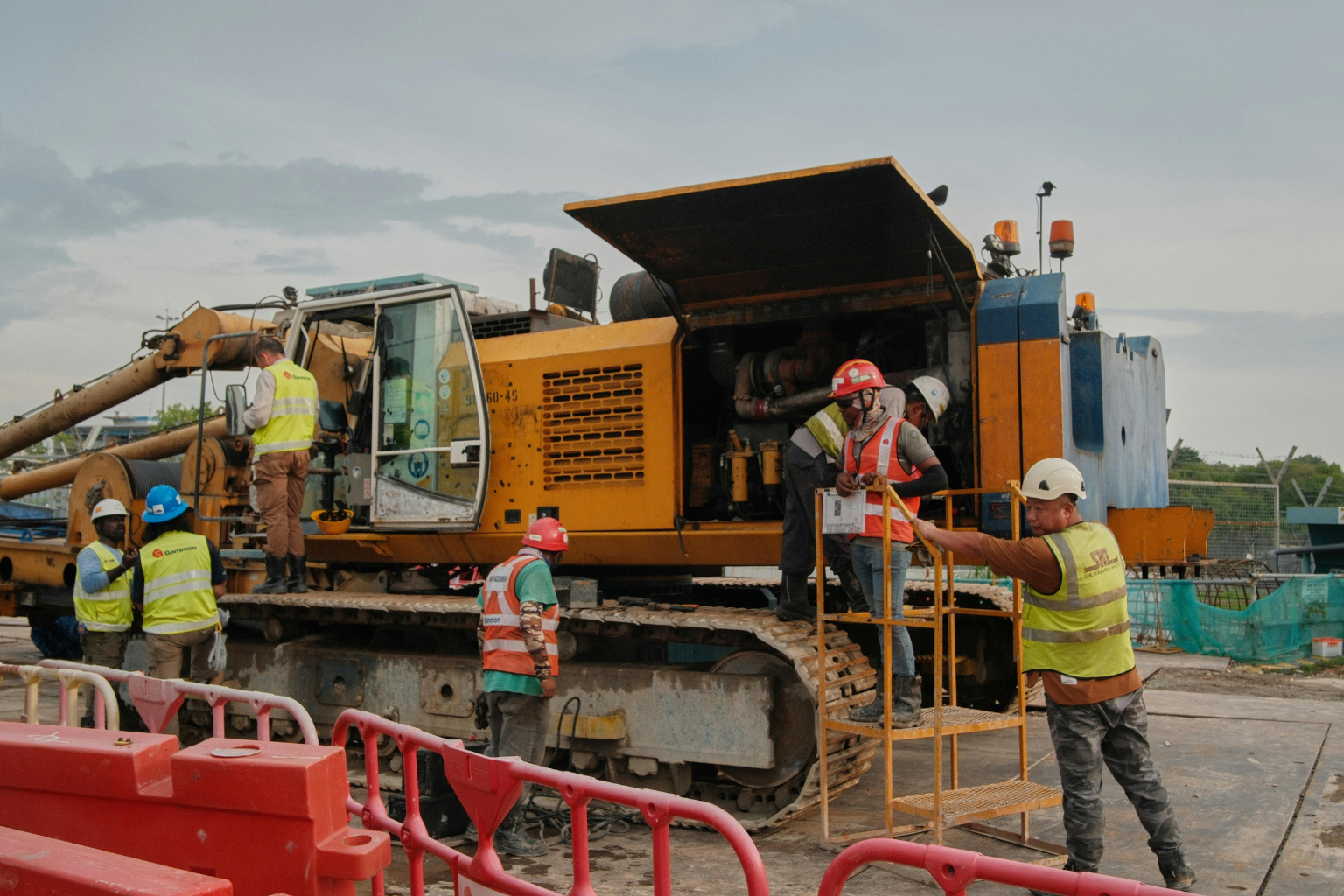
Instead, they recommend a more extensive process involving deep drilling and pressure grouting. Under this method, specialised drilling equipment creates holes several dozen feet below the surface before grout is injected into underground voids. The material spreads through unstable areas, strengthening weakened ground and reducing the risk of future collapses.
Although the process is expected to be expensive, engineers say delaying permanent repairs could allow underground conditions to worsen over time, increasing both safety risks and future repair costs.
While technical discussions continue, the greatest burden remains on the displaced families.
Some homeowners continue to live away from their properties while watching cracks spread through foundations and structural damage become more severe. Several residents say they appreciate the legal assistance, engineering advice, and community support they have received, but they believe meaningful progress toward permanent repairs has been too slow.
One homeowner whose house suffered extensive structural damage said repeated assurances that work is underway have offered little comfort without visible construction or a funded repair plan.
State officials previously provided financial assistance to reopen Summit Avenue following the emergency response earlier this year. Additional community support efforts have also helped connect affected families with available resources.
However, residents and local leaders continue seeking further financial assistance to cover the larger stabilisation project that engineers believe is necessary.
The Phillipsburg sinkhole crisis has become more than an infrastructure problem. It now represents the difficult challenge many communities face when natural ground conditions, ageing utilities, engineering uncertainty, and financial responsibility overlap.
Until clear funding is secured and permanent stabilisation work begins, displaced families remain caught in the middle of a dispute that has left homes empty, neighbourhoods disrupted, and important questions about responsibility still unresolved.
Sources
- New Jersey Department of Environmental Protection (NJDEP)
- New Jersey Office of Emergency Management
- Phillipsburg Town Government
- Aqua New Jersey
- Office of the Governor of New Jersey