
New Jersey Program Offers Lifeline as Police Suicide Crisis Continues Across the U.S.
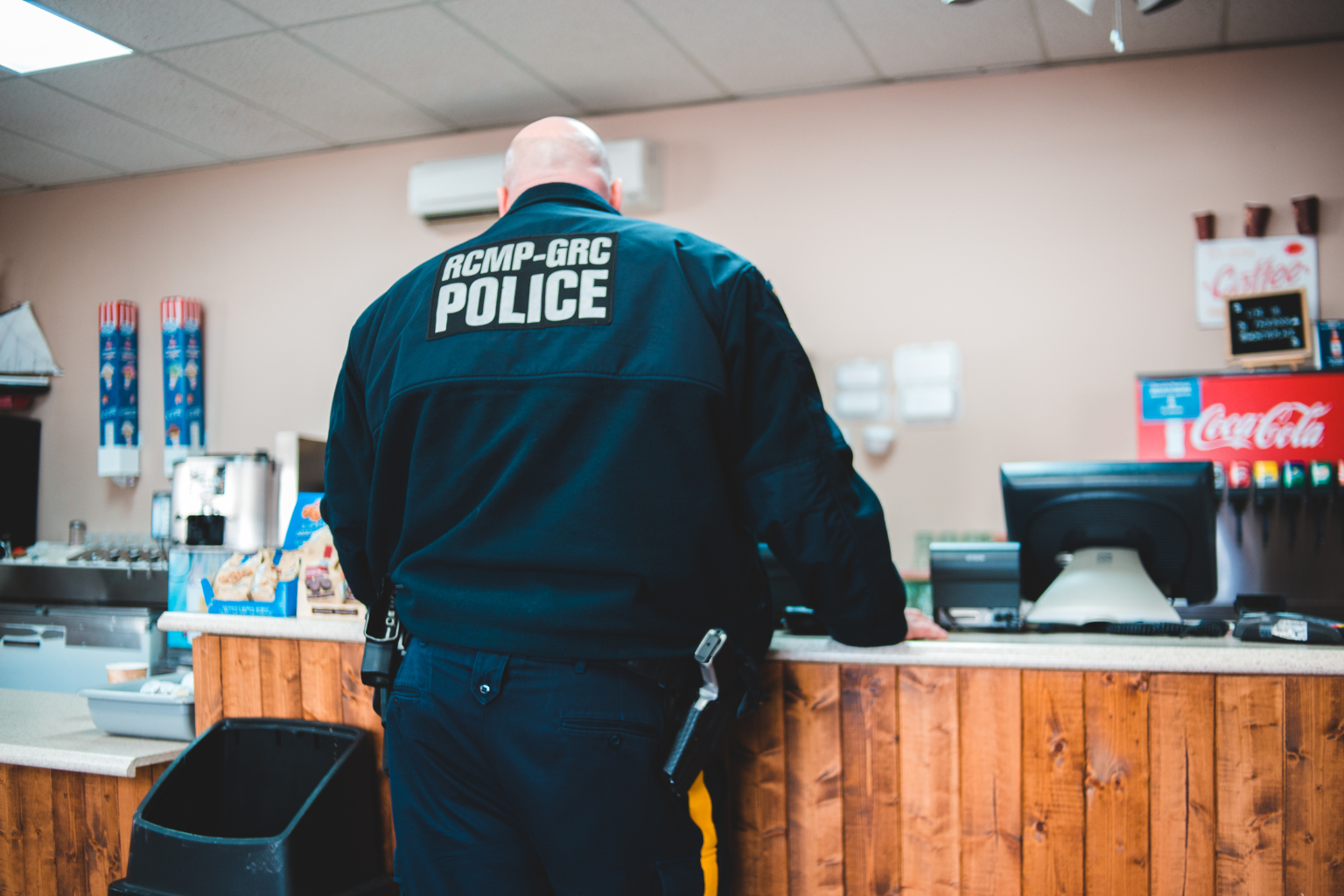
The mental health crisis affecting law enforcement officers has become one of the most serious challenges facing police departments across the United States. While officers spend their careers protecting the public and responding to emergencies, many quietly struggle with emotional trauma, stress, depression, and feelings of isolation. In recent years, the growing number of police suicides has prompted states and law enforcement agencies to expand mental health services and encourage officers to seek help before reaching a crisis.
New Jersey has emerged as one of the states working to address this issue through specialised peer support programmes designed specifically for police officers. The effort comes as mental health experts and law enforcement leaders continue warning that officers often face unique pressures that can make it difficult for them to ask for help.
One retired East Orange police officer understands these challenges better than most. Nearly two decades after responding to a heartbreaking suicide call, the memory remains vivid. The incident involved a woman who called emergency services after discovering that her husband had taken his own life inside their home. Although the officer had handled countless traumatic situations during his career, that particular call left a lasting emotional impact.
Like many officers, he continued reporting for duty despite carrying the emotional weight of repeated exposure to violence, death, and human suffering. At the time, discussing mental health was uncommon within many police departments, and officers often believed they had to hide emotional struggles to avoid appearing weak or risking their careers.
Mental health professionals say this culture has contributed to an ongoing national problem. Police officers regularly experience situations that most people will never encounter, including violent crimes, fatal accidents, domestic violence cases, child abuse investigations, and officer-involved shootings. Over time, repeated exposure to traumatic events can significantly affect emotional well-being if proper support is not available.
Research has shown that law enforcement officers face higher levels of stress than many other professions. Long work hours, overnight shifts, public scrutiny, staffing shortages, and constant exposure to dangerous situations can increase the risk of anxiety, depression, post-traumatic stress, substance misuse, and suicidal thoughts.
Recognising these challenges, New Jersey has continued investing in programmes that allow officers to seek confidential support from trained peers who understand the realities of police work. One of the state’s best-known resources is Cop2Cop, a confidential assistance programme created specifically for active and retired law enforcement officers and their families.
Unlike traditional counselling services, peer support programmes connect officers with fellow officers or retired members of law enforcement who have experienced similar challenges. Many experts believe this approach helps reduce stigma because officers are often more willing to speak openly with someone who understands the profession firsthand.
The programme operates around the clock and offers confidential emotional support, crisis intervention, referrals to mental health professionals, and assistance for officers dealing with personal or professional difficulties. Family members can also seek guidance if they are concerned about the well-being of a loved one working in law enforcement.
Mental health specialists say early intervention can make a significant difference. Officers who receive support before emotional distress becomes overwhelming are more likely to recover and continue healthy careers. Many departments are now encouraging routine mental wellness conversations alongside physical fitness and tactical training.
Law enforcement agencies across the country have also begun expanding wellness initiatives beyond crisis response. Some departments now provide resilience training, confidential counselling services, wellness check-ins, stress management education, and peer support teams as part of standard officer wellness programmes.
Despite growing awareness, experts acknowledge that barriers remain. Many officers continue to fear that admitting emotional struggles could affect promotions, job assignments, firearm eligibility, or public perception. Changing that mindset remains one of the biggest challenges facing police leadership nationwide.
Advocates argue that protecting officers’ mental health is not only important for their personal well-being but also for the communities they serve. Officers who receive appropriate support are generally better equipped to make sound decisions under pressure, maintain healthy relationships, and continue serving the public effectively.
Families also play an important role in recognising warning signs. Changes in behaviour, withdrawal from loved ones, increased anger, sleep problems, substance misuse, or expressions of hopelessness may indicate that an officer is struggling and needs professional support. Mental health professionals encourage family members, coworkers, and supervisors to take such signs seriously and help connect individuals with appropriate resources.
Across the United States, conversations surrounding officer wellness have become more open than they were a decade ago. Police leaders, mental health experts, and advocacy organisations continue working together to reduce stigma and promote a culture where seeking help is viewed as a sign of strength rather than weakness.
As departments continue strengthening mental health programmes, New Jersey’s peer-support model is increasingly being recognised as an example of how specialised services can encourage officers to seek assistance before reaching a breaking point. Supporters hope that continued investment in officer wellness, combined with greater awareness and accessible resources, will help reduce preventable tragedies and ensure that those who protect their communities receive the care they deserve.
If you or someone you know is experiencing emotional distress or thoughts of suicide, immediate help is available through trained crisis professionals. Reaching out for support can save lives, and mental health experts emphasise that recovery is possible with timely care and treatment.
Sources
- National Institute of Mental Health (NIMH)
- Substance Abuse and Mental Health Services Administration (SAMHSA)
- New Jersey Department of Human Services
- Rutgers University Behavioral Health Care
- Cop2Cop New Jersey Program
- Centers for Disease Control and Prevention (CDC)