
Trump Downplays 2028 Speculation as JD Vance Emerges as a Key Republican Figure
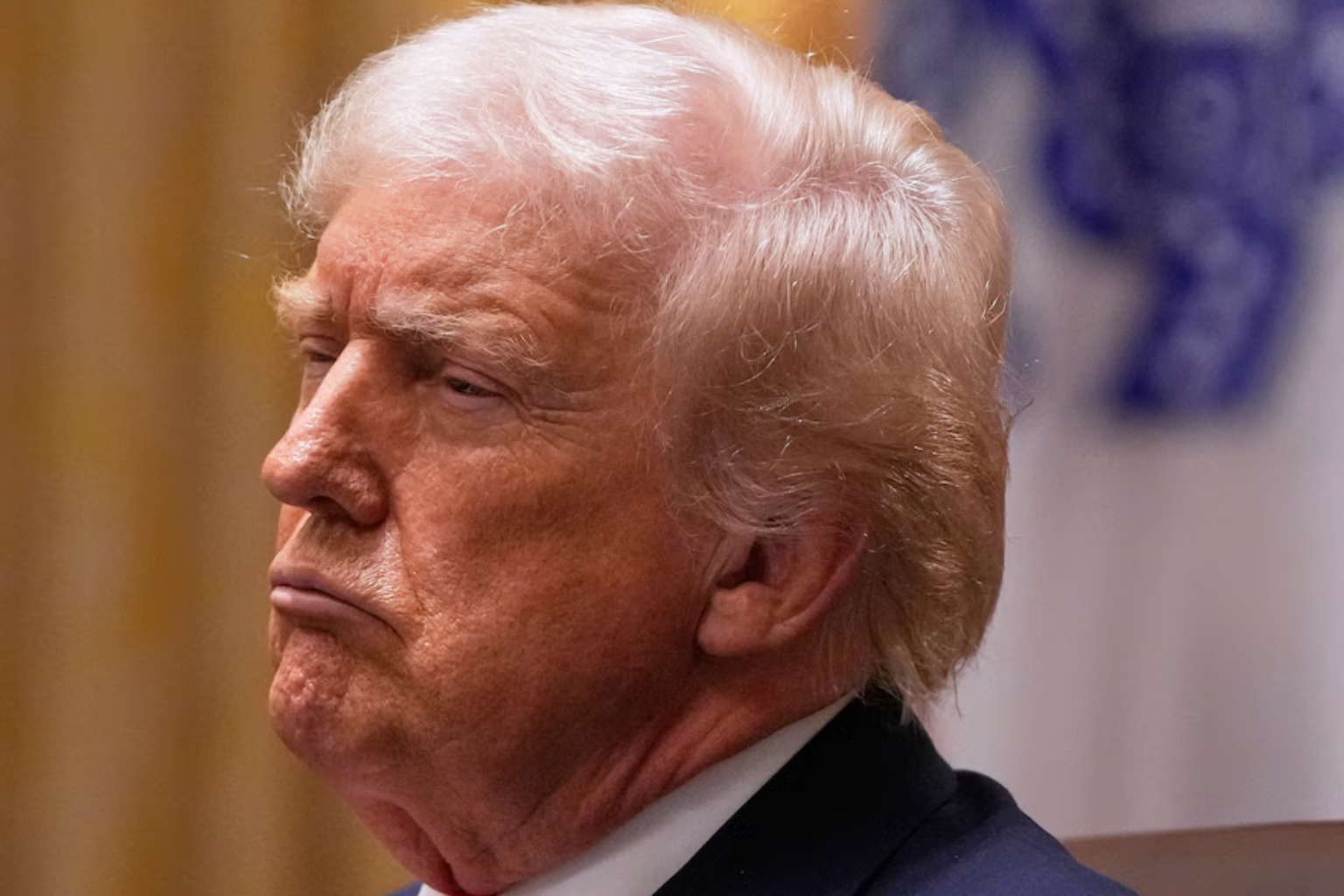
President Donald Trump has pushed back on speculation that he has already settled on Vice President JD Vance as his preferred Republican candidate for the 2028 presidential election, even as reports suggest Vance is gaining attention inside Trump’s political circle.
The latest discussion began after a report said Trump had privately expressed support for Vance during a meeting with donors. According to reporting from The Washington Post, Trump told people at a private Oval Office gathering that Republicans would ultimately need to elect Vance. The report, however, also noted that some people familiar with the president’s thinking believe his position is not necessarily final.
Trump offered a more cautious public response when reporters asked him about the report. Rather than confirming that he had selected Vance as his successor, Trump said it was too early to make such a decision and described Vance positively.
The difference between the private comments attributed to Trump and his public response is important. It suggests that while Vance may currently have a strong position within the Republican Party, there is no formal Trump endorsement for the 2028 presidential race at this point.
The 2028 election is still a long way off, and the Republican field has not taken shape. Candidates who could eventually seek the nomination have not formally entered a presidential contest, and political circumstances could change considerably before the next election cycle reaches its most competitive stage.
Vance nevertheless occupies a particularly important position because he is serving as Trump’s vice president. The White House officially identifies Vance as the vice president, and his current role places him at the centre of the administration and the Republican political movement surrounding Trump.
That position has naturally fuelled questions about whether Vance could become the party’s leading presidential candidate once Trump’s second term ends.
Vance himself has been careful when discussing the possibility. In an interview earlier this year, he said he planned to discuss his political future with his wife, Usha Vance, after the 2026 midterm elections. He also indicated that he does not make major decisions about his future before they become necessary.
That approach allows Vance to avoid formally entering the 2028 conversation while still keeping the possibility open.
The vice president has also said that Trump is interested in his political future. Vance has previously explained that he does not normally start those conversations, but that the President sometimes raises the subject himself.
Trump’s interest in Vance is not entirely new. For months, the president has publicly praised both Vance and Secretary of State Marco Rubio while discussing the future of the Republican Party. At different points, Trump has suggested that Vance and Rubio could form a strong political partnership, adding another layer to speculation about who could eventually lead the GOP ticket.
That history makes the latest report notable, but it does not necessarily mean the Republican succession question has been settled.
Vance and Rubio represent two of the most visible figures who could have a role in the Republican Party after Trump. Vance has a direct connection to the president through the vice presidency and has become a prominent voice within the Trump-aligned wing of the party. Rubio, meanwhile, has built a national profile through his work as secretary of state and his long experience in national politics.
The possibility of a Vance-Rubio ticket has therefore attracted attention, but there is still no confirmed Republican presidential ticket for 2028.
For Vance, the immediate political priority remains his work as vice president and the administration’s agenda. He has not announced a presidential campaign, and his comments indicate that he intends to wait before making a final decision.
The timing is also significant because the 2026 midterm elections will come before the next presidential campaign fully develops. Those elections could influence the political standing of Trump, Vance and other Republican leaders. The results could also affect how the party approaches the 2028 presidential race.
A strong Republican performance could strengthen the administration’s political position and potentially benefit figures closely associated with Trump. A weaker result could create more competition within the party and encourage other Republicans to consider presidential campaigns.
For now, Vance appears to be in a favourable position because of his proximity to Trump and his status as vice president. But being considered a potential successor is different from securing a presidential nomination.
Trump’s influence over Republican voters remains an important factor, meaning his eventual endorsement could carry significant weight. At the same time, presidential nominations are decided through elections and the broader Republican primary process, not simply through a president choosing a successor.
The situation also illustrates why political observers are treating reports about Trump’s preferred candidate cautiously. Trump has repeatedly discussed possible future leaders while also refusing to commit himself to one person. His comments about Vance and Rubio have sometimes created the impression of an informal competition between the two officials.
That leaves room for the political picture to change.
Vance’s position could strengthen if he continues to build support among Republican voters and demonstrates that he can maintain the coalition Trump assembled. Other potential candidates could also become more prominent as the 2026 midterms approach and the 2028 campaign becomes more relevant.
There is another important constitutional point surrounding the 2028 discussion. The 22nd Amendment limits a person from being elected president more than twice. Trump has already been elected president twice, making the question of who will represent Republicans in 2028 especially significant. The constitutional term limit is established in the 22nd Amendment, regardless of ongoing political speculation about future campaigns.
That means the Republican Party will eventually have to compete for the presidency without Trump appearing on the ballot as its nominee for a third elected term, barring any change in the legal and constitutional circumstances.
Vance is therefore attracting attention at a particularly important moment for the Republican Party. He is both the sitting vice president and one of the politicians most closely associated with Trump’s political movement.
Still, the current situation should not be described as a confirmed succession plan.
Trump has praised Vance; private comments attributed to him have fuelled speculation, and Vance has acknowledged that the president takes an interest in his political future. But neither Trump nor Vance has announced a 2028 presidential campaign or a formal endorsement.
For now, the clearest takeaway is that JD Vance has become one of the central figures in the early conversation about the Republican Party’s future, while Trump is keeping the final decision open.
The next major political test will come with the 2026 midterm elections. After those elections, Vance has indicated that he expects to have a more serious discussion about what comes next. Until then, reports about Trump’s preferred successor are likely to remain part of a much larger and still-developing debate over who will lead the Republican Party after the Trump era.