New Jersey Faces State Budget Deadline as Governor Sherrill and Lawmakers Remain Deadlocked Over Spending Plan
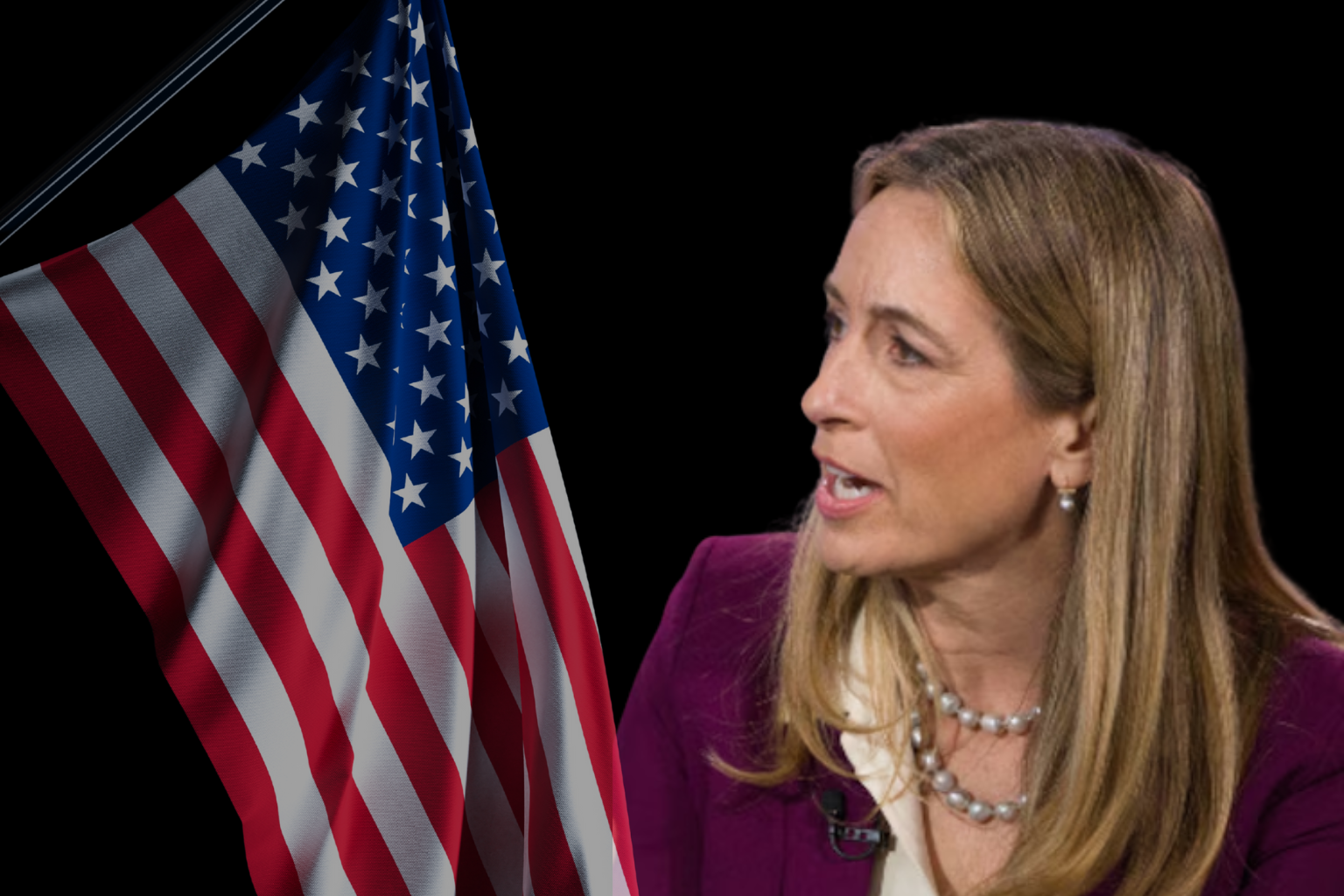
New Jersey lawmakers and Governor Mikie Sherrill are racing against the clock as the state’s June 30 fiscal deadline approaches, with significant disagreements still unresolved between the governor’s office and the legislature over a final spending plan for the upcoming fiscal year.
The state’s proposed budget for fiscal year 2026 carries total appropriations that are approximately $70 million lower than the adjusted fiscal year 2025 budget. Governor Sherrill’s administration has emphasized fiscal discipline, capping discretionary spending and incorporating nearly $2 billion in appropriation reductions aimed at stabilizing the state’s long-term financial health.
Among the most contentious elements of the proposed budget are a series of tax policy changes. The governor’s plan calls for higher taxes on the uppermost tier of real estate transfer fees, sports betting revenue, alcohol sales, adult-use marijuana, and cigarette purchases. In contrast, the proposal includes a new exemption designed to encourage small business investment across the state.
Public education funding remains a significant piece of the spending plan. The budget proposes $1.27 billion for Preschool Education Aid as part of a broader push toward universal preschool in New Jersey. Additionally, it allocates $815 million from the Corporate Transit Fee directly to support NJ Transit operations, an agency that has long struggled to maintain consistent funding for public transportation across the state.
The budget also includes $7.5 million in new grant funding to support high-impact tutoring programs for students who need extra academic help, along with $3 million in incentive grants for schools choosing to eliminate cell phones during school hours. State aid to K-12 public schools is protected under the proposal, with a provision ensuring aid cannot drop by more than three percent compared to the prior year across four primary funding categories.
One of the more notable structural proposals involves closing East Jersey State Prison. The administration estimates that reforming technical parole violations would make this closure possible, saving taxpayers around $30 million in fiscal year 2026 and an additional $20 million in the following fiscal year.
Legislative leaders from both chambers have indicated they are reviewing the governor’s priorities but have pushed back on several proposals. Labor groups, including the state AFL-CIO, have separately announced their legislative agenda for 2026, adding pressure to the budget talks from organized labor constituencies.
Governor Sherrill has held repeated meetings with legislative leaders, including Assembly Speaker Craig Coughlin, in an effort to find common ground before the constitutional deadline. Sources familiar with the negotiations have described both sides as holding firm on their respective positions, with neither willing to give significant ground as of this week.
The budget standoff reflects broader tensions in Trenton as the new Sherrill administration navigates its first full budget cycle. Political observers note that the outcome of these negotiations will set the tone for the governor’s legislative relationship in the months and years ahead.
New Jersey residents and local governments are watching closely, as the state budget directly affects everything from public school funding to municipal aid, transit service levels, and social services. A failure to pass a budget by June 30 would trigger a government shutdown, a scenario all parties say they want to avoid.
Sources
- New Jersey Office of the Governor
- New Jersey Legislature
- New Jersey League of Municipalities