Karoline Leavitt Defends Her Gen Z Remarks After Online Criticism Over ‘Laziness’ Comment
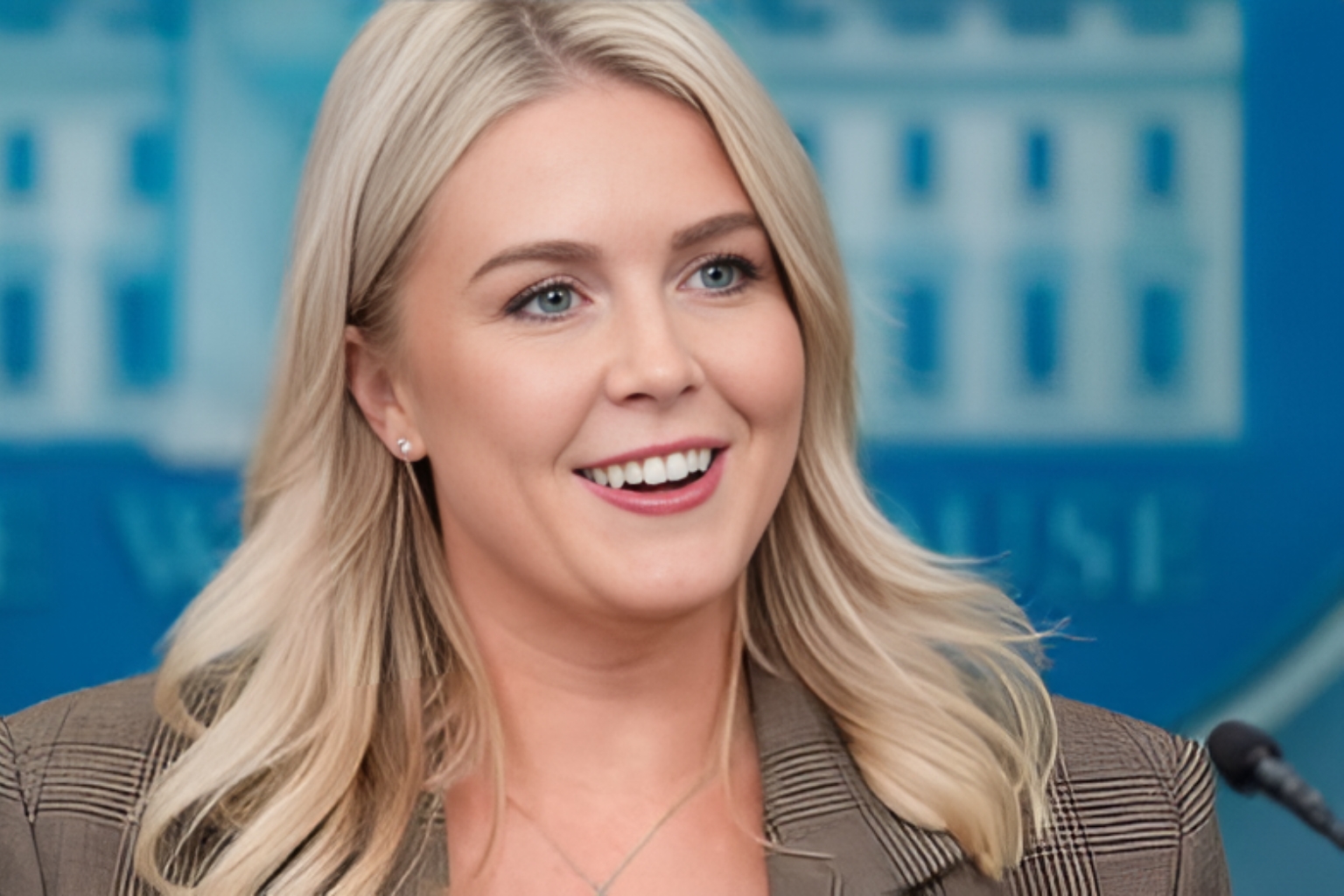
White House Press Secretary Karoline Leavitt has expanded on her recent comments about Generation Z after facing widespread criticism online. In a lengthy statement shared on social media, Leavitt said her remarks had been taken out of context and insisted that she was addressing what she believes are growing political and cultural challenges facing young Americans.
The discussion began after Leavitt appeared in a television interview last week, where she argued that communist and socialist ideas are becoming more common in American politics. She pointed to the recent success of several progressive candidates in primary elections, saying these developments reflect a broader shift within parts of the Democratic Party.
According to Leavitt, some candidates who support positions such as reducing the role of prisons, limiting policing, and opposing private property have gained increased attention and support. She said this represents a significant change from the principles she believes helped shape the United States over the past 250 years. During the interview, she argued that supporting President Donald Trump and Republican candidates is the best way to prevent those political ideas from gaining more influence.
The conversation also turned to concerns frequently raised by younger Americans about the rising cost of living. When asked about complaints from Gen Z that everyday expenses have become increasingly difficult to manage, Leavitt responded by saying many people in her own generation and younger generations have grown up with “silver spoons in their mouths” and have become accustomed to having things provided for them.
She said the United States was built on values such as hard work, personal responsibility, and earning success through determination rather than expecting opportunities to be handed to people. When asked directly whether she believed younger people were lazy, Leavitt replied that it was “a little bit” true before adding that she also blamed what she described as liberal indoctrination.
Those comments quickly drew criticism across social media, with many users challenging her characterization of Generation Z. In response to the backlash, Leavitt posted a detailed statement on X on Sunday to clarify her position and explain what she meant.
In her statement, Leavitt said some critics had intentionally misrepresented her remarks. She wrote that her comments referred to a combination of what she described as laziness and what she believes is political influence within the education system. She argued that far-left educators are encouraging students to believe that hard work and personal sacrifice will not lead to success, while promoting greater dependence on government programs.
Leavitt said she believes speaking openly about these issues is necessary because she cares about the future of the United States. She argued that more young Americans are accepting socialist and communist ideas because of what she described as misleading messages from politicians who, in her view, offer no practical solutions while criticizing the country’s traditional institutions.
At the same time, Leavitt emphasized that she was not criticizing all members of Generation Z. She said many young Americans are hardworking, entrepreneurial, and deeply patriotic. She added that protecting opportunities for those individuals remains an important goal and said preserving the American Dream should remain a national priority.
Leavitt concluded her statement by saying she would continue speaking out against what she described as radical Democrats, socialists, and communists whom she believes are influencing younger voters. She also said President Donald Trump would continue pursuing policies aimed at strengthening economic opportunity and protecting what she described as the American Dream for future generations.
The debate over Leavitt’s remarks comes as President Trump has also increased his criticism of communism during recent public appearances. During his Fourth of July address, the president said the United States would never become a communist country. He argued that Americans who fought against communism throughout history did not do so only to see those ideas return at home, describing communism as a threat that must be confronted.
Leavitt’s comments and the reaction that followed have added to the broader national debate over political ideology, education, and the views of younger American voters. While supporters agree with her concerns about socialism and the direction of the country, critics continue to argue that her remarks unfairly generalize an entire generation. The discussion remains part of the larger political conversation as both parties seek support from younger voters ahead of future elections.
Sources
- The White House
- Official White House social media statements (X)