
Can You Sell a House With Code Violations in New Jersey?
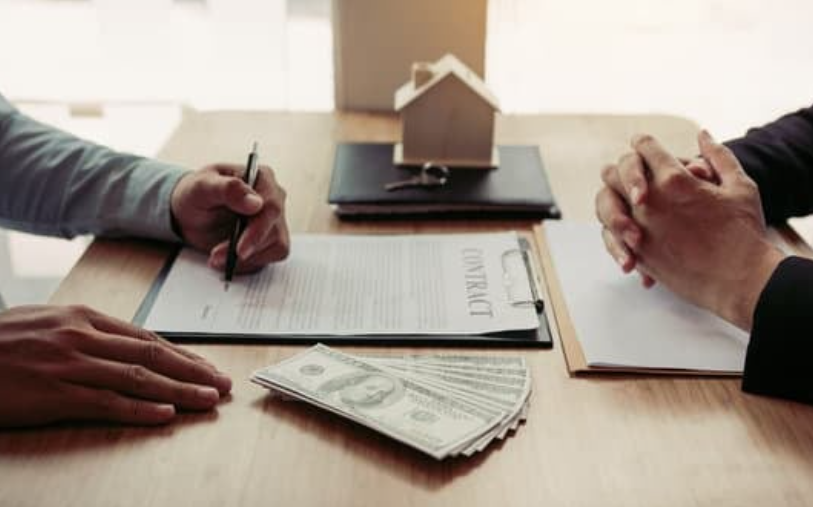
Yes, you can sell a house with code violations in New Jersey. In fact, many homeowners sell properties with unresolved violations every year. The process can be more complicated than a traditional home sale, but it is still completely possible. Whether the violations involve building permits, electrical issues, plumbing problems, safety concerns, or property maintenance violations, homeowners generally have several options available depending on their situation.
Many New Jersey homeowners discover code violations when preparing to sell their property. Some violations may have existed for years without the owner’s knowledge, while others can result from unfinished renovations, unpermitted additions, aging systems, or changes in local building regulations. When these issues surface, sellers often worry that their home has become impossible to sell. Fortunately, that is rarely the case.
One of the biggest challenges with code violations is that they can affect financing. Buyers using traditional mortgage loans may face additional inspections and lender requirements. If serious safety or structural issues are present, a lender may require repairs before approving the loan. This can delay the transaction or reduce the number of potential buyers interested in the property.
Homeowners who have the financial resources may choose to correct the violations before listing the property. Resolving violations can help attract more buyers and may increase the home’s market value. However, repairs are not always practical. Some violations can cost thousands of dollars to fix, while others may require extensive permitting, inspections, and contractor work.
For sellers who do not want to invest additional time and money into repairs, selling the property “as-is” is often the most practical solution. In an as-is sale, the homeowner discloses known issues and sells the property in its current condition. While buyers may negotiate a lower purchase price to account for the violations, the seller avoids the burden of completing repairs before closing.
Cash buyers and real estate investors frequently purchase homes with code violations because they are prepared to handle repairs after acquiring the property. Unlike traditional buyers, they often do not rely on mortgage financing, which can eliminate many of the obstacles associated with code-related issues. This can lead to a faster and simpler transaction for homeowners who need to sell quickly.
Transparency is extremely important when selling a home with code violations. New Jersey sellers are generally expected to disclose known material defects and issues that could affect a buyer’s decision. Failing to disclose known violations could create legal complications after the sale. Being upfront about the property’s condition helps build trust and reduces the risk of future disputes.
The impact of code violations on the final sale price varies depending on the severity of the issue. Minor violations such as missing permits for small projects may have little effect on value, while major structural, electrical, or safety violations can significantly reduce what buyers are willing to pay. The local market also plays a role. In competitive housing markets, buyers may be more willing to accept properties with issues than they would be in slower markets.
In New Jersey, municipalities may issue different types of violations related to building codes, zoning requirements, fire safety standards, property maintenance regulations, or occupancy rules. Before listing a property, homeowners should consider contacting their local building department to understand exactly what violations exist and whether any fines or penalties are outstanding. Having accurate information can help sellers make informed decisions about how to proceed.
For homeowners facing financial hardship, inherited properties, vacant homes, foreclosure concerns, or costly repair needs, selling a house with code violations can provide a practical way to move forward without investing additional money into the property. While violations may limit some selling options, they do not prevent a sale from taking place.
The bottom line is that code violations do not make a New Jersey home unsellable. Homeowners can choose to fix the issues before listing, negotiate repairs with a buyer, or sell the property as-is. The best approach depends on the nature of the violations, the seller’s financial situation, and how quickly the property needs to be sold. With the right strategy, it is entirely possible to successfully sell a house with code violations in New Jersey.