A catastrophic California-level wildfire will scorch N.J. someday. We’re not ready for it.
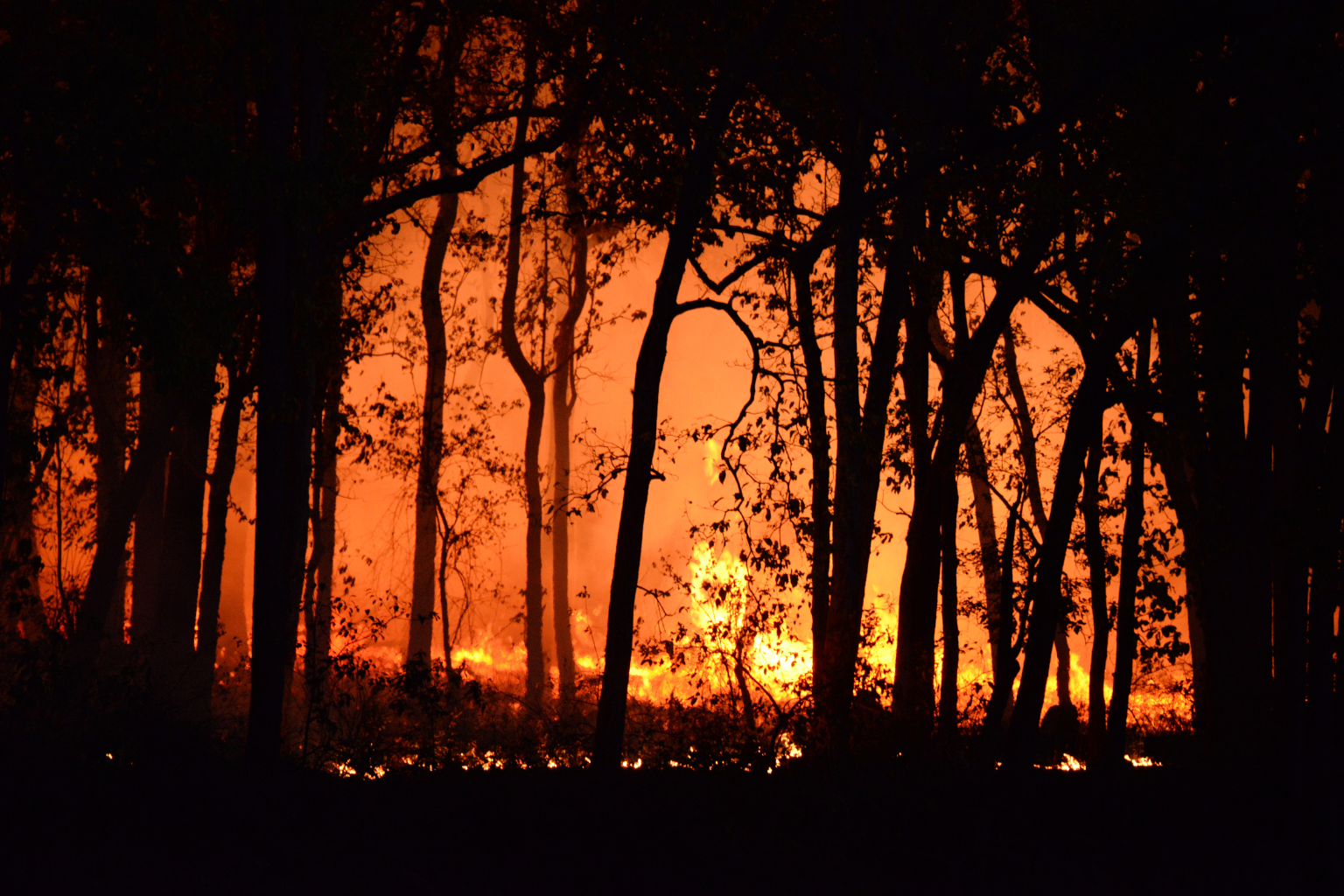
The massive Jones Road Wildfire that swept through New Jersey in the spring of 2025 has become a major warning about the state’s growing wildfire danger. While firefighters successfully stopped the blaze before it turned into a much larger disaster, wildfire experts believe the event showed how close New Jersey came to experiencing a devastating fire similar to those seen in western states.
For many residents, the wildfire was unlike anything they had ever imagined. Thick gray smoke covered the sky, emergency sirens echoed through neighborhoods, and flames quickly spread through the Pine Barrens, forcing thousands of people to leave their homes.
Among those residents was Forked River homeowner Ken Whittom, who initially struggled to believe a wildfire of such size could threaten his community. Earlier that day, firefighters warned him that evacuation might become necessary. As evening approached, he watched flames move rapidly through tall pine trees behind nearby homes.
With smoke filling the air and fire drawing closer, Whittom quickly gathered his chihuahua, helped an elderly neighbor reach safety, and evacuated in his vehicle. By that point, flames had already reached the area just beyond his neighbor’s backyard fence, leaving little time to escape.
The Jones Road Wildfire ultimately burned approximately 15,300 acres over a three-week period, making it one of the largest recorded wildfires in New Jersey in nearly two decades. The fire destroyed a commercial building and forced around 7,000 residents across South Jersey to evacuate.
Although the damage was significant, emergency officials were able to prevent an even greater disaster. The wildfire threatened at least two communities, more than 55,000 residents, and a former nuclear power plant before hundreds of firefighters worked continuously to bring the fire under control.
According to wildfire experts, the successful response should not overshadow the larger concern. They believe New Jersey narrowly avoided a far more destructive event and may not be as fortunate if similar conditions develop again.
David Robinson, New Jersey’s former state climatologist, described the incident as a close call, saying the wildfire came dangerously close to spreading into neighborhoods in a way that has caused widespread destruction in other parts of the United States.
Wildfires are becoming more frequent across New Jersey, with larger areas burning than in previous years. State data shows that during 2025, firefighters responded to 1,322 wildfires that burned roughly 27,200 acres. Compared with the state’s 20-year average, that represents a 22% increase in the number of fires and a 116% increase in acreage burned.
The greatest concern remains in the Pine Barrens region, including parts of Atlantic, Burlington, and Ocean counties, where dense forests and dry conditions create favorable environments for fast-moving fires. However, experts also warn that areas of North Jersey, including Passaic and Sussex counties, face increasing wildfire risks.
Researchers say changing weather patterns are contributing to these conditions. Longer periods of drought, hotter summers, and extended dry seasons are creating landscapes where fires can ignite more easily and spread much faster than in the past.
Disaster specialist Stephen Strader of Villanova University believes the likelihood of a major wildfire in New Jersey is now higher than ever before. Experts say a wildfire capable of burning more than 100,000 acres and damaging entire neighborhoods can no longer be considered an impossible scenario.
Despite these growing concerns, specialists believe New Jersey’s wildfire preparedness still has important gaps. Erica Smithwick, a Pennsylvania State University professor who has studied wildfires for many years, believes New Jersey is better prepared than many other East Coast states but still has considerable room for improvement.
Among the challenges experts identify are older wildfire detection systems, limited staffing, aging firefighting equipment, and the need for additional investment in modern technology that can detect and respond to fires more quickly.
Experts also note that New Jersey has not yet experienced the type of catastrophic wildfire that has tested emergency systems in states such as California. While the state has dealt with large fires before, many believe it has not yet faced the level of destruction that could occur if weather conditions, drought, and strong winds combine during a future wildfire season.
The Jones Road Wildfire is now being viewed by many wildfire specialists as an important warning rather than an isolated event. They believe the fire demonstrated both the dedication of emergency responders and the need for stronger long-term planning.
Emergency preparedness, updated firefighting resources, improved detection technology, and continued investment in wildfire response are among the measures experts say could help reduce the impact of future fires.
For residents like Ken Whittom, the experience remains a powerful reminder of how quickly conditions can change. What began as an ordinary day ended with a hurried evacuation as flames advanced toward nearby homes, reinforcing the reality that large wildfires are becoming an increasingly serious threat for communities across New Jersey.
Sources
- New Jersey Forest Fire Service
- New Jersey Department of Environmental Protection (NJDEP)
- National Weather Service (NWS)
- U.S. Forest Service (USFS)