Summer Storms Disrupt U.S. Air Travel as Nearly 2,100 Flights Face Delays or Cancellations
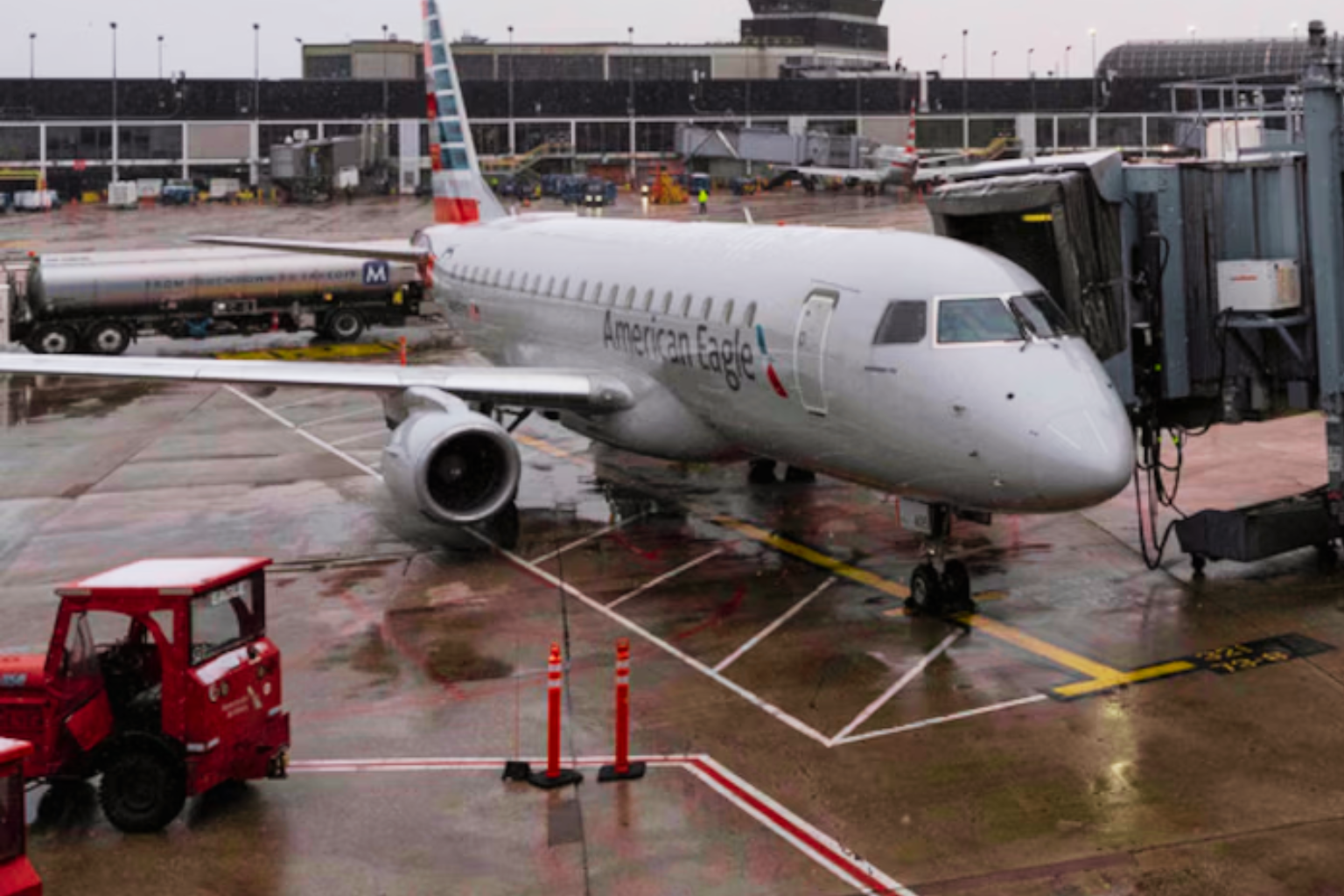
Air travel across the United States faced another difficult day Tuesday as thunderstorms and weather-related restrictions disrupted flight operations at several major airports. More than 1,797 flights were delayed and 291 were cancelled, creating problems for passengers travelling through some of the country’s busiest aviation hubs.
The disruption was particularly noticeable at Chicago O’Hare International Airport, which recorded 365 delays and 87 cancellations, according to FlightAware data cited in reports on Tuesday. JetBlue recorded the highest number of disruptions among U.S. airlines, with 129 delays and 36 cancellations.
The problems were not limited to one airport or airline. A combination of severe weather, air-traffic restrictions and congestion created a ripple effect across the national aviation network. When storms affect a major airport or a busy air-traffic corridor, the impact can quickly spread to flights that are not directly passing through the storm area.
Thunderstorms were the main factor behind much of the disruption. Storm activity moving across parts of the country forced aviation authorities to limit the number of aircraft that could take off, land or pass through certain areas.
The Federal Aviation Administration uses measures such as ground stops and ground delay programmes when weather or other operational conditions make it unsafe or impractical to handle normal traffic levels. During a ground stop, flights bound for an affected airport can be temporarily held at their departure locations. Ground delay programmes, meanwhile, can assign departure delays to manage the number of aircraft arriving at a congested airport.
The FAA’s air traffic control advisories have repeatedly shown how thunderstorms can affect airports across the Northeast and Midwest. Recent operational plans have identified potential weather-related restrictions involving airports in the New York, Washington and Philadelphia areas, as well as Chicago. These measures are designed to reduce congestion and maintain safe traffic flow when weather limits airport capacity.
For passengers, the result can be frustrating even when the weather is clear at their own airport. A flight may be delayed because the aircraft is arriving from another location affected by storms, because the crew is delayed, or because air traffic controllers have reduced the number of aircraft allowed into a particular region.
Chicago O’Hare was among the airports experiencing the heaviest impact. As one of the country’s major connecting hubs, delays at O’Hare can affect travellers far beyond Chicago. A passenger flying from one city to another may experience a delay because the aircraft, crew or connecting flight is caught in weather-related congestion elsewhere.
The same ripple effect can occur with airline schedules. When an aircraft arrives late at one airport, its next departure may also be pushed back. As delays accumulate throughout the day, airlines can find it increasingly difficult to return aircraft and crews to their original schedules.
JetBlue was the airline with the highest reported number of delays and cancellations among U.S. carriers in the figures cited Tuesday. The numbers show how weather disruptions can affect individual airlines differently depending on their flight schedules, aircraft locations and the airports they serve.
Passengers should also keep in mind that flight numbers can change throughout the day. A flight shown as delayed in the morning could later depart, while another flight could be cancelled as weather conditions develop. For that reason, travellers should rely on the latest information from their airline rather than assuming that an earlier status will remain unchanged.
Travellers with flights scheduled during periods of severe weather can take several practical steps to reduce the stress caused by disruptions. Checking the flight status before leaving for the airport is one of the simplest precautions. Airline websites and mobile apps generally provide the latest information about delays, cancellations, gate changes and boarding times.
Passengers should also turn on airline notifications when available. A gate assignment or departure time can change quickly during a weather disruption, and an alert may reach a passenger before the information is noticed on an airport display.
If an airline cancels a flight, passengers should review their available rebooking options as soon as possible. During widespread disruptions, alternative flights can fill quickly because hundreds or thousands of other travellers may also be trying to reach their destinations.
Travellers with connecting flights should be especially careful. A short connection can become difficult to make after the first flight is delayed. When possible, passengers should pay attention to the time between flights and be prepared for the possibility that a missed connection could require a new itinerary.
Keeping essential belongings in a carry-on bag can also make an unexpected delay easier to manage. Important medications, identification, chargers, valuable items and other necessities are generally better kept with the passenger rather than placed in checked luggage.
Passengers facing an overnight delay or cancellation should also review the airline’s current policies regarding rebooking, refunds and other forms of assistance. Policies can differ depending on the reason for the disruption, the type of ticket and the airline involved.
Weather-related travel disruptions are a normal part of operating a large aviation system, particularly during periods of active thunderstorms. The challenge is that modern air travel depends on a tightly connected network. A storm in one region can affect aircraft, crews, airports and passengers hundreds of miles away.
Tuesday’s disruptions demonstrate how quickly those effects can build. With nearly 1,800 delays and hundreds of cancellations reported across the country, travellers should expect flight information to remain subject to change while weather conditions and airport capacity are being managed.
For anyone flying during unsettled weather, the best approach is to check the airline’s latest flight status before heading to the airport, allow additional time for possible delays and remain prepared for schedule changes. The exact situation can vary from one airport and flight to another, so current airline and airport information remains the most reliable guide for individual travel plans.
Sources
- Federal Aviation Administration, Air Traffic Control System Command Center operational advisories and weather-related traffic management information.
- FlightAware, flight delay and cancellation tracking data.
- Airline flight-status information and passenger travel guidance.