Airlines Tighten Flight Rules by Restricting Humanoid and Animal Robots Over Battery Safety Concerns

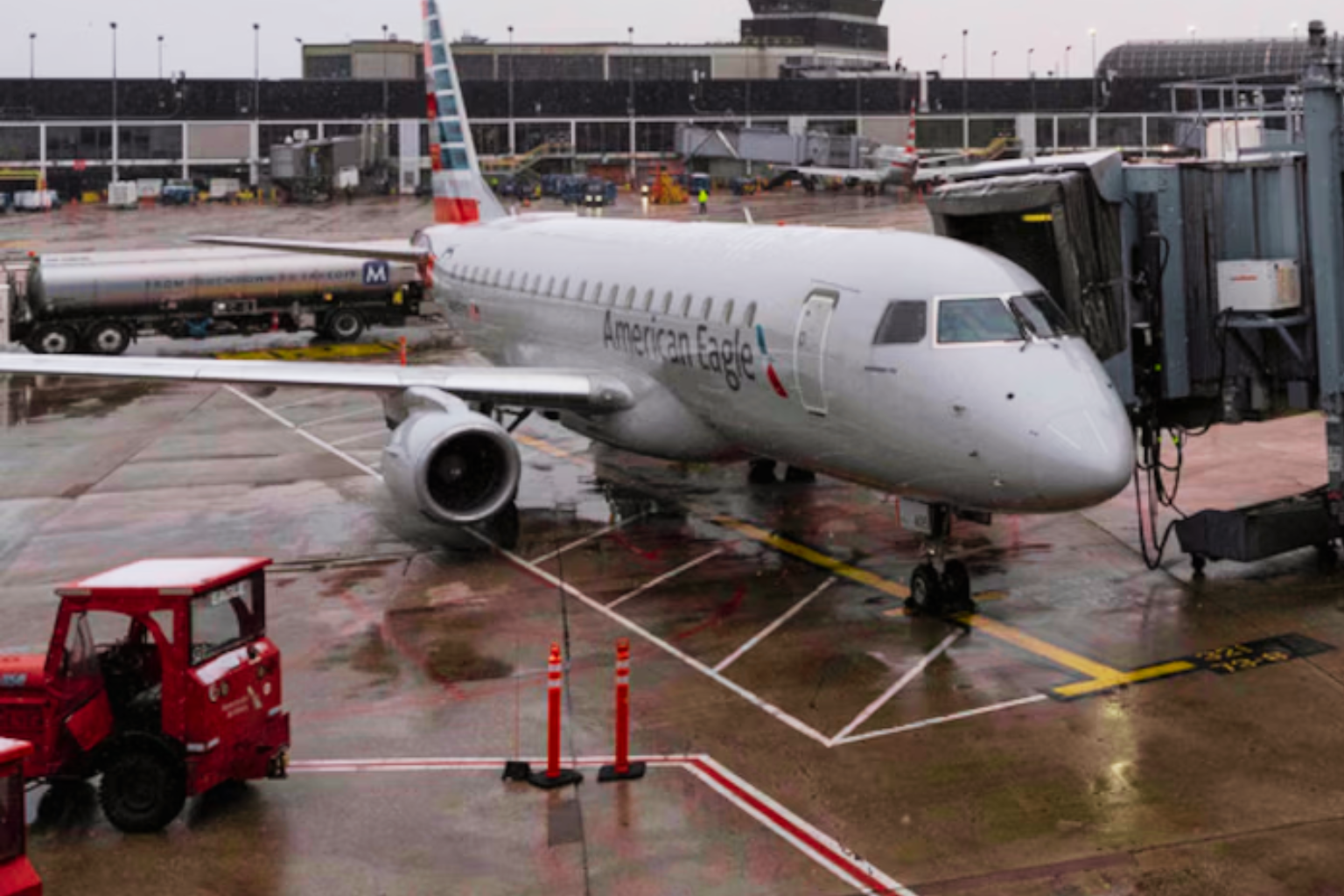
Several major U.S. airlines are introducing new restrictions that prevent humanoid and animal-shaped robots from travelling on passenger flights. The move comes as airlines continue reviewing potential safety risks linked to advanced robotic devices, particularly those powered by high-capacity lithium-ion batteries.
Delta Air Lines, United Airlines, and Southwest Airlines have all adopted policies that limit these robots from being carried in aircraft cabins or transported as checked baggage. While sightings of humanoid or animal robots at airports remain uncommon, airlines say the rules are designed to address safety concerns before such devices become more common among travellers.
The decision reflects a broader effort across the aviation industry to reduce risks associated with powerful rechargeable batteries. Airlines already follow strict rules for carrying lithium-ion batteries because damaged or overheating batteries can create serious fire hazards inside an aircraft. By restricting larger robotic devices that rely on these batteries, carriers aim to avoid situations that could threaten passenger safety during a flight.
Reports indicate that Southwest Airlines became the first major US carrier to introduce the restriction after a traveller attempted to bring a robot on board as a companion. The unusual incident highlighted a growing challenge for airlines as new consumer technologies continue to appear in public spaces, including airports and commercial flights.
Although robots designed to resemble humans or animals are still relatively rare, the technology is advancing quickly. Companies around the world are developing robots for personal assistance, entertainment, education, and even travel support. As these products become more accessible, airlines are preparing policies that can address potential operational and safety issues before they become widespread.
One of the biggest concerns involves the batteries used to power many of these machines. Humanoid robots often require larger and more powerful battery systems than everyday electronic devices such as smartphones or laptops. Aviation experts have long warned that high-capacity lithium-ion batteries require careful handling because they can overheat if damaged, improperly stored, or exposed to certain conditions.
The U.S. aviation industry already limits the transportation of large lithium-ion batteries. Batteries exceeding specific capacity limits are generally prohibited from checked baggage, and some battery types cannot be transported on passenger aircraft at all due to the increased fire risk. Since many advanced robots depend on powerful battery packs, airlines believe additional restrictions are necessary to maintain consistent safety standards.
Beyond battery concerns, airlines are also considering the practical challenges these robots could create during air travel. Humanoid and animal-shaped robots can be bulky, heavy, or difficult to secure inside an aircraft cabin. If placed in aisles or near emergency exits, they could interfere with passenger movement or emergency evacuations. Their size may also make safe storage difficult in overhead compartments or under passenger seats.
Transporting these devices in cargo compartments presents another challenge. Airlines may need special handling procedures to prevent damage to both the robot and other luggage while also reducing any risks associated with battery-powered equipment during transport.
The updated policies demonstrate how airlines are adapting to rapidly changing technology. Commercial aviation has regularly adjusted its rules as new electronic devices have entered the market. Similar safety measures have previously been introduced for hoverboards, electric scooters, and other battery-powered transportation devices after concerns about battery-related fires emerged.
For travelers who own advanced robots, the new restrictions mean it will be important to review airline baggage policies before planning a trip. Since individual airlines may have different requirements or exceptions, passengers should confirm the latest rules directly with their carrier before arriving at the airport.
Industry observers believe more transportation providers could introduce similar policies if personal robots become increasingly popular in the years ahead. As artificial intelligence and robotics continue evolving, airlines will likely keep updating their regulations to balance technological innovation with passenger safety.
For now, the restrictions remain a precautionary measure rather than a response to widespread incidents. Airlines say the goal is to maintain safe operations while preparing for emerging technologies that may soon become a more common part of everyday travel.
Sources
- U.S. Transportation Security Administration (TSA)
- Federal Aviation Administration (FAA)
- Delta Air Lines
- United Airlines
- Southwest Airlines