
Why Visitors Are Speaking Out Over New Access Changes at New Jersey’s Only Clothing-Optional Beach
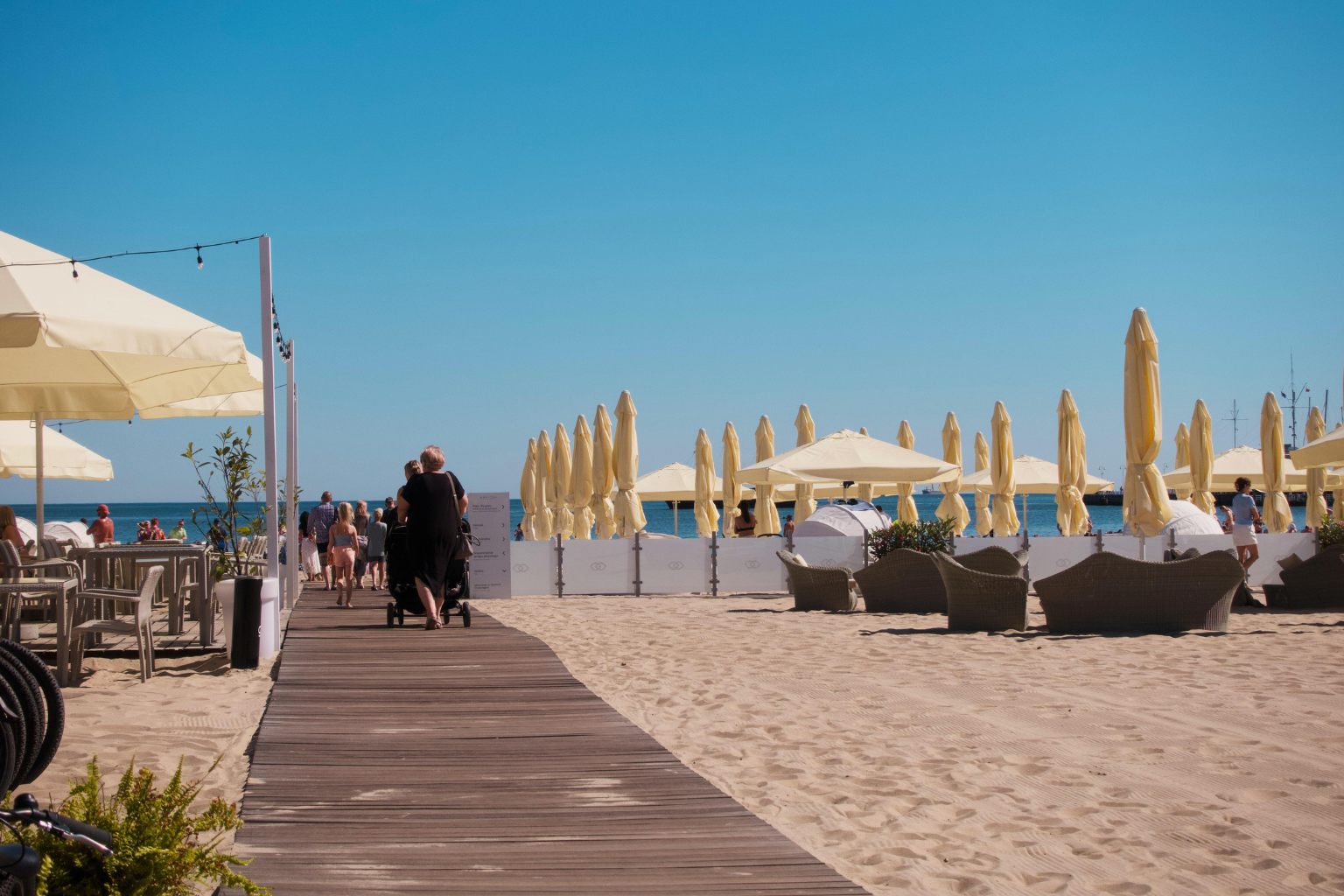
Visitors to New Jersey’s only clothing-optional beach are raising concerns after a change to the beach’s accessibility setup has made reaching the shoreline more difficult, especially for older adults and people with mobility challenges. The issue has sparked growing frustration among regular beachgoers, who say the new arrangement creates unnecessary obstacles at one of the region’s most popular summer destinations.
Gunnison Beach, located within Sandy Hook in Monmouth County, is the only legally recognised clothing-optional beach in New Jersey and one of the few of its kind in the northeastern United States. Every summer, it attracts visitors from across the state and neighbouring regions who enjoy its unique atmosphere and natural setting.
This season, however, many visitors say the experience has changed because the mobility mats that normally help people cross the soft sand no longer stretch close to the shoreline. Instead, the pathway currently ends about a quarter-mile before the water, leaving beachgoers to walk the remaining distance over deep, hot sand.
For many visitors, this may simply be inconvenient. For older adults, people recovering from injuries, or those living with disabilities, it can become a major challenge.
Frequent visitor Lisa Kelly, who has spent years visiting Gunnison Beach, said the shorter pathway has created significant difficulties for many people. She explained that visitors rarely arrive carrying only a towel. Most bring coolers, chairs, umbrellas, food, drinks, and other beach equipment, making the long walk even more demanding.
Kelly also shared that both she and her boyfriend experience health issues that make the current walk especially difficult. According to her, her boyfriend has undergone multiple knee surgeries, while she deals with ongoing lower back pain. She believes many other regular visitors face similar physical limitations.
In response to the changes, Kelly launched an online petition asking officials to restore the mobility mats closer to the ocean. The petition argues that providing accessible pathways should not stop hundreds of feet away from the shoreline, where visitors still face the most difficult part of the journey.
Support for the petition has continued to grow, collecting hundreds of signatures from people who believe the current setup limits access for those who need assistance the most. Advocates have also contacted elected officials and community organisations, asking them to help address the issue and encourage improvements.
The National Park Service, which manages Sandy Hook as part of the Gateway National Recreation Area, said the shorter mobility mat configuration was introduced because Gunnison Beach currently does not have lifeguards on duty. According to park officials, extending the mats closer to the water could create additional safety concerns for both visitors and emergency responders without lifeguard coverage.
Officials stated that the current arrangement reflects an effort to balance visitor accessibility with public safety while staffing shortages remain in place.
Many visitors question that explanation because similar accessibility measures reportedly remained in place last summer, even when lifeguards were also unavailable. That comparison has led some regular beachgoers to ask why the policy changed this year.
Mobility mats, commonly known as mobi-mats, are used at beaches across the United States to improve access for people using wheelchairs, walkers, canes, and other mobility devices. While these pathways do not always extend directly into the water, they often provide visitors with much closer access to the shoreline than the current arrangement at Gunnison Beach.
Accessibility advocates note that such pathways play an important role in helping public beaches accommodate visitors with different physical needs and support equal access to recreational spaces.
The debate also comes as many public beaches continue facing lifeguard shortages. Staffing challenges have affected beaches, lakes, and pools across New Jersey in recent years, leading to delayed openings, limited swimming areas, and changes in beach operations.
Federal officials responsible for Gateway National Recreation Area recently announced efforts to hire additional lifeguards, although they have not confirmed whether new staff will be assigned specifically to Gunnison Beach.
Despite the current concerns, Gunnison Beach remains a destination that attracts loyal visitors from across the Northeast. Some people travel several hours to spend the day there, appreciating the peaceful environment and the unique experience it offers compared with traditional beaches where swimwear is required.
Supporters of the petition believe restoring the full mobility pathway would improve access without changing the character of the beach. They also say additional mobility mats are reportedly available nearby and could potentially be installed with assistance from volunteers if approval is granted.
As discussions continue, many visitors hope park officials will find a solution that protects public safety while also improving accessibility. For regular guests, the issue is not simply about convenience but about ensuring that everyone, regardless of age or physical ability, has a fair opportunity to enjoy one of New Jersey’s most distinctive coastal destinations.
Sources
National Park Service
Gateway National Recreation Area
Americans with Disabilities Act (ADA), U.S. Department of Justice