White House Defends Trump Security Measures After Secret Turkey Flight Report
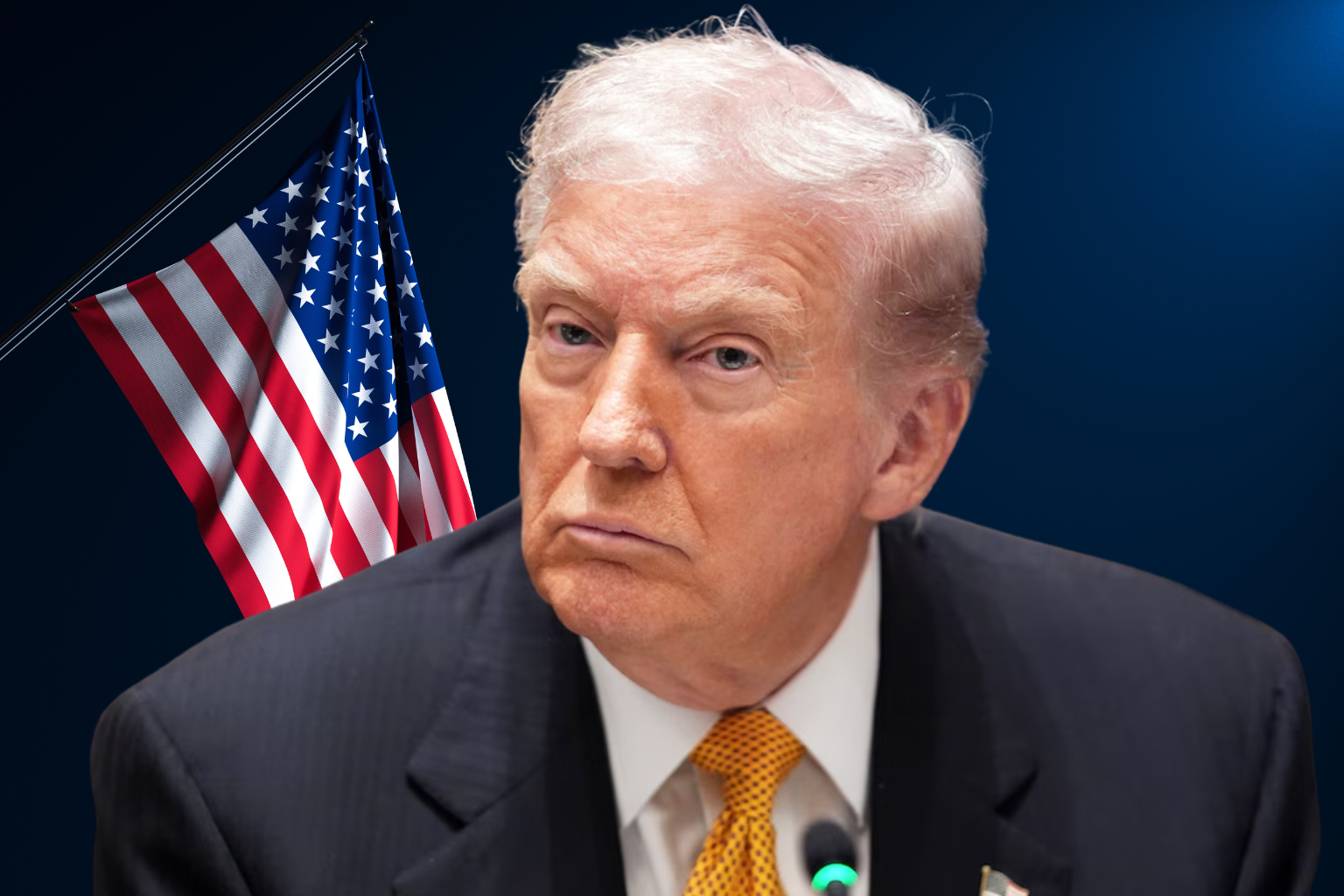
The White House is facing questions after a newly reported security operation revealed that President Donald Trump secretly left Turkey on a different military aircraft following the NATO summit last month. The unusual travel arrangement reportedly came as U.S. officials were dealing with a serious threat against the president linked to Iran.
The incident took place on July 8, 2026, as Trump prepared to leave Ankara after attending the NATO summit. At the time, the public understanding was that Trump would return to the United States aboard the older presidential aircraft commonly associated with Air Force One. However, a new report says the president was quietly moved to another military aircraft while journalists and some White House personnel remained aboard the plane they believed was carrying him.
The Washington Post reported that the operation was designed to keep Trump’s actual location secret because of concerns about a possible Iranian attack. The newspaper said its reporting was based on material it reviewed as well as information from a U.S. official familiar with the operation and another person with knowledge of the president’s travel. The sources were not publicly identified because they were not authorised to discuss the security arrangements.
The reported manoeuvre involved Trump leaving the presidential aircraft without attracting attention and transferring to a smaller military plane. The operation was reportedly carried out in a way that maintained the appearance that Trump was still travelling aboard the aircraft used as a decoy.
That meant journalists and some members of the White House staff reportedly continued their journey believing the president was with them. The aircraft ultimately travelled toward the United Kingdom, where the president’s travel arrangements changed again before the journey continued toward the United States.
The revelation has attracted attention not only because of the unusual method used to protect the president but also because of the level of secrecy surrounding the operation. Presidential travel is normally closely controlled, and security officials routinely limit information about a president’s movements when there is a credible danger. In this case, however, the reported deception extended to people who were travelling with the presidential press pool and some administration personnel.
The White House has defended the broader security precautions surrounding Trump’s travel while questions continue about exactly what happened in Turkey. White House communications officials have previously emphasised that presidential aircraft are equipped with extensive security measures and that protecting the president and his staff remains a priority.
The episode also comes amid heightened tensions between Washington and Tehran. Trump has repeatedly spoken publicly about threats against him from Iran, particularly after the U.S. conflict with Iran intensified. Earlier in July, Trump said he considered himself a major target for Iranian retaliation.
Those threats have been a long-running security concern for U.S. officials. The danger became particularly significant after the 2020 U.S. strike that killed Iranian military commander Qassem Soleimani. Iranian officials have repeatedly threatened retaliation over Soleimani’s death, and American authorities have continued to monitor threats against senior U.S. officials.
The Turkey incident also raises questions about the different aircraft involved in Trump’s travel. The president had recently begun using a Boeing 747-8 aircraft provided by Qatar for eventual presidential transportation. The aircraft had undergone modifications before being used for presidential travel, but concerns had been raised over whether it possessed all of the defensive capabilities found on the older aircraft traditionally used for the presidential mission.
Trump had travelled to Turkey aboard the newer aircraft for the NATO summit. Before leaving the country, however, he publicly indicated that he would use the older Air Force One aircraft for the trip to the United Kingdom. At the time, the change was presented publicly as a travel decision rather than confirmation of an immediate security emergency.
The new reporting gives that aircraft decision a different context.
According to the latest account, security officials were concerned enough about the president’s safety that a more complicated travel plan was considered necessary. Rather than simply announcing that Trump would use another aircraft, officials reportedly created a deception plan that made it difficult for outsiders to determine which plane actually carried the president.
Such tactics are not entirely without precedent. Presidents and their security teams have used secret travel arrangements, alternate aircraft and misleading public movements in the past when officials believed revealing a president’s precise location could create a danger. The central purpose is operational security: making it harder for a potential attacker to predict where the president will be at a particular moment.
The reported Turkey operation, however, stands out because the president’s decoy aircraft apparently continued carrying members of the press and White House personnel after Trump had already been moved elsewhere.
That detail is likely to generate further questions about how presidential security decisions are communicated internally. It also highlights the difficult balance between protecting sensitive information and ensuring that personnel travelling with the president understand the security situation around them.
There is also a broader issue involving the protection of presidential aircraft. Air Force One is not simply a transportation system. The presidential aircraft serves as a secure command and communications platform and is designed to continue supporting the president during emergencies. Security features and procedures surrounding presidential air travel are therefore closely protected.
For that reason, officials rarely provide the public with detailed information about how a president is moved during a potential threat. Confirming the exact procedures used in a particular operation could potentially reveal information that security agencies would prefer to keep classified.
The White House’s response therefore focuses largely on the administration’s responsibility to protect the president rather than providing a detailed account of the reported operation.
The situation also illustrates how quickly presidential travel plans can change during an international crisis. Trump was in Ankara for a major NATO gathering involving leaders from the United States and allied countries. Turkey’s geographic position near Iran and the wider Middle East added another layer to an already complicated security environment.
The reported operation occurred against the backdrop of renewed U.S.-Iran hostilities and heightened concerns about possible retaliation. For security officials, the president’s location, aircraft and travel route can all become potential targets during periods of conflict.
At the same time, the report has created a separate public debate about transparency. While national security agencies have legitimate reasons to conceal sensitive presidential movements, the fact that journalists and some staff members reportedly did not know Trump had switched aircraft has raised questions about how much information should be shared with people travelling alongside the president.
There is currently no public evidence that an attack was attempted against Trump’s aircraft during the journey. The reported operation appears to have been a preventive security measure rather than a response to an attack that was already underway.
That distinction is important. A security threat does not necessarily mean an attack was imminent or guaranteed. Presidential protection teams routinely make decisions based on intelligence assessments, potential risks and changing circumstances. Officials can take extraordinary precautions even when an attack never occurs.
For Trump, the episode is another reminder of the security challenges surrounding the presidency. His administration has faced continued concerns related to threats from Iran, while the president’s international travel regularly places him in locations where security conditions can change quickly.
The new report is also likely to keep attention on the newer aircraft intended for presidential use. The White House has maintained that the plane has been equipped with significant security protections, while questions about its readiness and capabilities have remained part of the public discussion.
For now, the most significant revelation is not simply that Trump used a different aircraft. It is that the change was reportedly concealed through a carefully coordinated operation involving multiple aircraft and personnel during a period of elevated tensions with Iran.
The episode demonstrates the extraordinary measures that can be taken when U.S. officials believe the president’s movements may be targeted. It also shows why details surrounding presidential travel are often kept secret until long after an event has taken place.
As more information becomes available, attention will likely remain focused on what threat intelligence prompted the operation, who authorised the change in travel plans and how the White House handled communication with personnel who were travelling on the decoy aircraft. Until officials release additional information, some details of the operation will remain unconfirmed.
What is clear is that Trump’s July departure from Turkey was far more complicated than the public initially understood. The newly reported operation has brought renewed scrutiny to presidential security, the safety of U.S. leaders abroad and the growing tensions between Washington and Tehran.