
US Housing Market in 2026 Shows Slower Sales as Affordability Challenges Continue
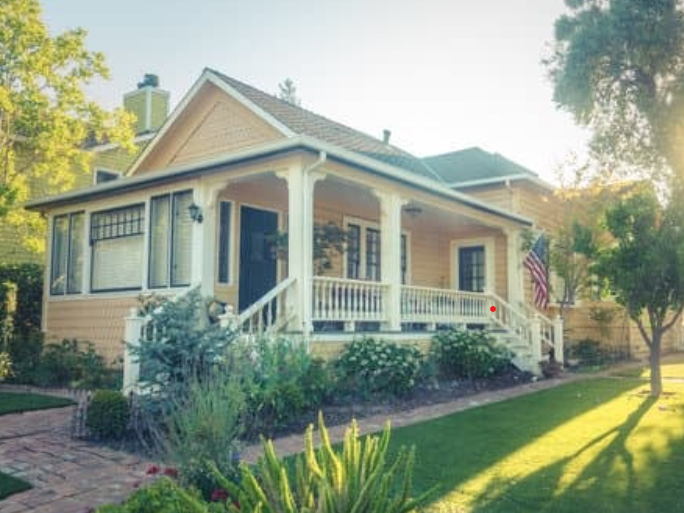
The United States real estate market in 2026 is showing a clear shift compared to the fast-moving housing trends seen in previous years. Home sales in many regions have slowed down, and properties are now staying longer on the market as buyers become more cautious due to high borrowing costs and ongoing affordability concerns.
Real estate analysts report that mortgage rates remain a key factor influencing buyer behavior. Even though rates have slightly stabilized compared to earlier spikes, they are still high enough to discourage many first-time buyers from entering the market. As a result, demand has cooled in several major cities, especially where home prices had previously surged during the pandemic period.
Sellers are also adjusting their expectations. Many homeowners who listed properties at aggressive prices are now reducing asking prices to attract serious buyers. In some cases, homes are being relisted multiple times before receiving acceptable offers. This trend shows a gradual shift toward a more balanced market, where buyers have slightly more negotiating power than before.
Inventory levels have also started to improve in certain regions. More homeowners are choosing to list their properties, partly due to life changes, job relocations, or financial planning decisions. However, despite this increase in available homes, buyer demand has not grown at the same pace, which is contributing to slower overall sales activity.
Another major factor influencing the housing market is economic uncertainty. Concerns about inflation, job stability, and long-term financial planning are making buyers more careful about taking on large mortgage commitments. Many potential buyers are delaying purchases in hopes that interest rates or home prices may improve in the future.
Real estate experts suggest that this cooling phase does not necessarily indicate a market crash. Instead, it reflects a natural correction after years of rapid price growth. The market is gradually moving toward stability, where pricing is more closely aligned with income levels and borrowing capacity.
Regional differences are also becoming more noticeable. Some areas with strong job growth and population inflows continue to see steady demand, while others with higher housing costs are experiencing sharper slowdowns. This uneven performance highlights how local economic conditions now play a bigger role than national trends alone.
For buyers who remain active in the market, the current environment offers more opportunities to negotiate on price and request concessions such as closing cost assistance or repairs. However, high monthly mortgage payments continue to be a challenge, especially for middle-income households.
Looking ahead, analysts expect the housing market to remain sensitive to interest rate changes. Any future adjustments by financial regulators could quickly influence buyer activity and price trends. Until then, the market is likely to remain relatively slow, with gradual adjustments rather than dramatic shifts.
Overall, the 2026 housing landscape reflects a transition phase. After years of rapid growth and intense competition, the market is now settling into a slower and more cautious pattern shaped by affordability constraints and economic uncertainty.
Sources
General housing market analysis based on publicly reported U.S. real estate and economic trends (no specific article referenced)