Trump Defends Remarks on Inflation After Facing Backlash From Critics
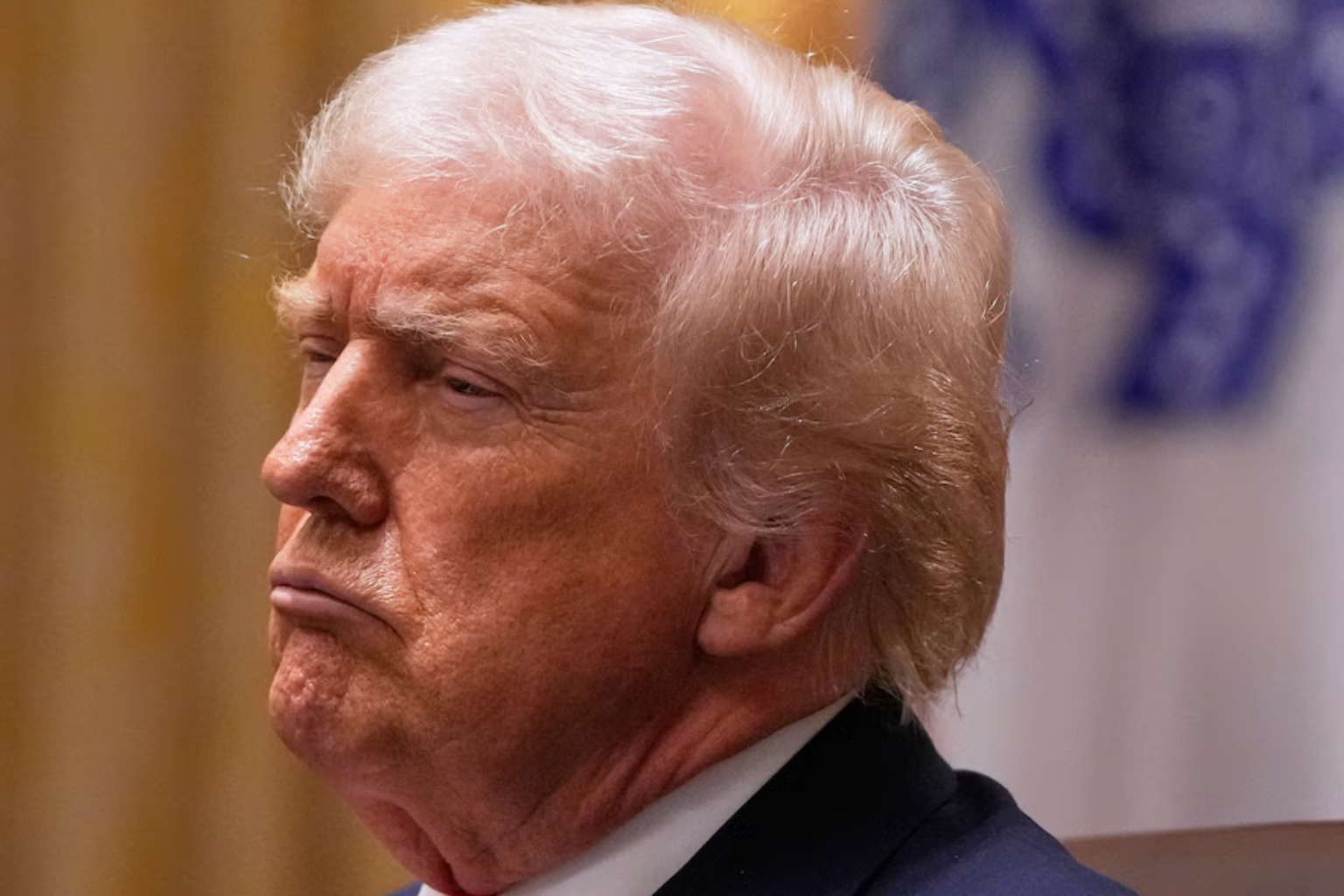
President Donald Trump is pushing back against criticism that followed a widely discussed comment he made about inflation during a recent Oval Office exchange with reporters.
The controversy began after Trump was asked whether he was concerned about a new Labor Department report showing that the annual inflation rate reached 4.2% in May, the highest level recorded since early 2023. In response, Trump appeared upbeat about the economic figures and stated, “No, I love it — the numbers were great.” He then added a phrase that quickly attracted attention across social media and political circles: “I love the inflation.”
The remark immediately sparked debate, with many critics arguing that the statement was difficult to reconcile with the financial challenges many Americans continue to face. Rising prices for everyday necessities such as groceries, fuel, and household expenses remain a major concern for voters, making inflation one of the most closely watched economic issues in the country.
Trump later clarified his comments during a phone interview with the New York Post, saying his statement had been misunderstood and taken out of context. According to the president, he was not expressing support for inflation itself but was referring to inflation figures that he believes are performing better than expected given current global conditions.
Trump argued that economic indicators have remained relatively strong despite ongoing conflict involving Iran. He predicted that inflation would decline further once the conflict ends and suggested that current inflation levels are lower than many experts anticipated during a period of international instability.
“I was talking about inflation numbers that will be so good as soon as the war ends,” Trump said, according to the report. He added that he expects inflation figures to move lower in the future and maintained that the economic outlook remains positive.
The president also emphasized that inflation was higher during the administration of former President Joe Biden. Trump used the comparison to defend his record and argue that current economic conditions should be viewed in a broader context.
The discussion surrounding Trump’s remarks intensified after he revealed details about what he described as a previously undisclosed operation involving the movement of oil through the Strait of Hormuz. Trump later announced on Truth Social that a “secret mission” had enabled more than 100 million barrels of oil and over 200 commercial ships to pass through the strategic waterway.
While Trump linked energy-related developments to his economic outlook, critics remained focused on the wording of his original statement. Democratic leaders and political opponents quickly seized on the comment, arguing that it reflected a disconnect from the financial pressures experienced by many households.
The Democratic National Committee highlighted the quote on social media, questioning the president’s remarks. Several Democratic lawmakers also criticized the statement, saying that Americans continue to struggle with the rising cost of living.
Sen. Ed Markey argued that the administration was not paying enough attention to working families dealing with higher expenses. Sen. Bernie Sanders similarly pointed to the challenges faced by households trying to afford fuel, groceries, and other basic necessities.
Criticism also emerged from an unexpected source. Former Rep. Marjorie Taylor Greene, who has at times supported Trump but has recently become more critical of some administration decisions, called the comments “shocking” and “outrageous” during a CNN appearance. Greene argued that many Americans are facing financial stress and said the remarks could be interpreted as insensitive to those concerns.
House Minority Leader Hakeem Jeffries also joined the criticism, using the moment to attack Trump politically and question his understanding of the economic pressures facing ordinary Americans.
Despite the backlash, Trump continued to defend both his comments and his economic record. During the same Oval Office discussion, he argued that the United States had been experiencing exceptionally strong economic performance before the launch of Operation Epic Fury on February 28.
Trump pointed to stock market gains and retirement account growth as evidence that the economy had been performing well. He maintained that difficult decisions involving Iran were made because of national security concerns rather than economic considerations.
The debate arrives at a time when economic issues remain central to the national political conversation. Recent polling continues to show that the cost of living is one of the most important concerns for American voters. A Reuters/Ipsos survey released this week found that fewer than one-quarter of U.S. adults approve of how the president is handling issues related to living costs.
As inflation, consumer prices, and economic confidence continue to shape public opinion, Trump’s comments and the reaction to them are likely to remain part of the broader debate over the state of the U.S. economy and the political challenges facing the administration.