
The hidden financial trap lurking beneath some N.J. lakefront homes. ‘It’s a total mess.
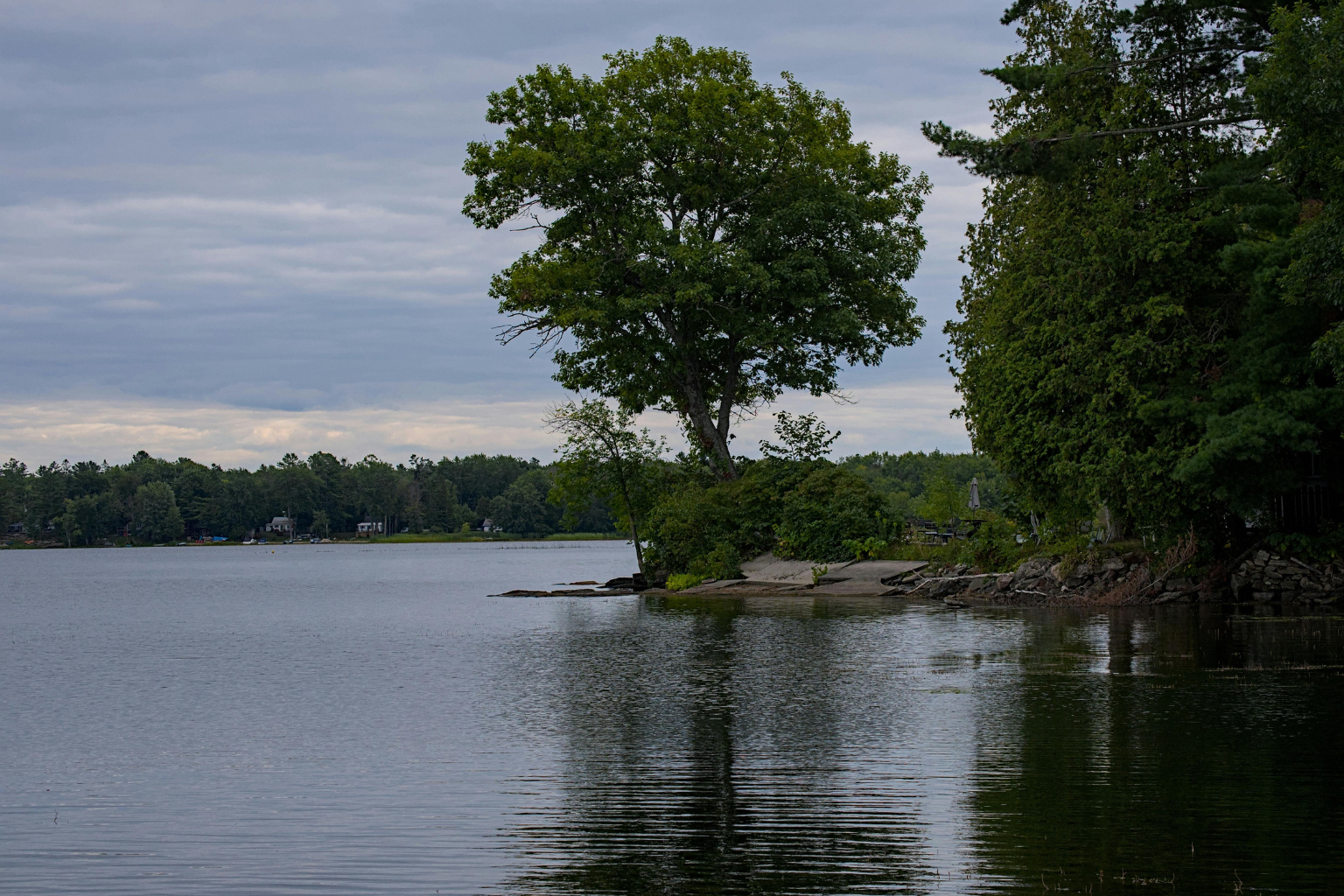
Buying a lakefront home is often seen as a dream investment, offering peaceful views and private waterfront access. However, for some homeowners in New Jersey, that dream has turned into an expensive financial challenge after discovering they are responsible for maintaining aging infrastructure that could cost hundreds of thousands or even millions of dollars to fix.
One of those homeowners is Sam Horowitz, who purchased a property on Big Lebanon Lake in Gloucester Township in 2023. Before buying the home, he expected the usual expenses that come with owning waterfront property, including inspections and routine maintenance. What he did not expect was learning that he shared responsibility for an aging dam that state officials say no longer meets current safety standards.
According to the New Jersey Department of Environmental Protection, the approximately 350-foot dam is considered to be in poor condition and has inadequate spillway capacity, meaning it cannot safely handle the amount of water required under current regulations. State officials say the structure must either be rehabilitated to meet modern dam safety standards or be permanently removed.
The situation affects three homeowners who jointly own the private lake. While only part of Big Lebanon Lake is located in Gloucester Township, the remaining section extends into Washington Township. State officials said the Washington Township portion was once owned by Lebanon Lakes, Inc., but because the organization no longer has surviving members, responsibility for the dam now falls on the homeowners in Gloucester Township.
For Horowitz, the financial reality became clear only after the purchase was completed. He said he originally believed a relatively small repair budget would be enough, but quickly realized the project would require a far greater investment. He has already spent thousands of dollars on preliminary engineering work, and experts have indicated that engineering services alone could cost tens of thousands of dollars.
The overall price depends on whether the dam is repaired or removed. Removing the structure could require hundreds of thousands of dollars, while fully rehabilitating it to meet current state standards could cost millions. In addition to the financial burden, the project could take several years to complete because of engineering studies, regulatory requirements, and differing opinions among the property owners about the lake’s future.
Horowitz believes removing the dam may ultimately be the most practical solution. He said years of sediment buildup have significantly changed the lake, raising concerns that even major repairs may not provide a long-term answer if the lake continues filling with silt.
Another owner, 92-year-old Jane Mueller, has lived beside the lake for more than six decades and has watched the surrounding area change dramatically over the years. She remembers a time when the neighborhood was largely wooded and the lake served as a much deeper recreational waterway.
Today, she believes homeowners are carrying an unfair financial responsibility because the lake also helps manage stormwater and reduce flooding in the surrounding area. Mueller described the situation as emotionally and financially overwhelming, saying homeowners could spend enormous amounts of money without restoring the lake to its original condition.
Her son, John Mueller, has also witnessed the lake’s transformation over several decades. He said the water near the dam was once about nine feet deep but has gradually become much shallower because of heavy sediment accumulation. In his view, the lake has steadily deteriorated despite years of natural rainfall.
The homeowners also face another challenge beyond the cost itself. Since each owner has different opinions about whether to preserve or remove the dam, reaching a unified decision has added complexity to an already difficult process.
Their experience also highlights a broader issue affecting private property owners across New Jersey. The state oversees more than 1,700 dams, and roughly 60 percent of them are privately owned. Because current state law does not require sellers to disclose the existence of a dam during a property sale, some buyers only learn about these responsibilities after purchasing their homes.
When privately owned dams fail safety inspections, homeowners can suddenly become responsible for costly repairs that many never anticipated. Those expenses can quickly reach hundreds of thousands of dollars, creating a significant financial burden for families who believed they were simply purchasing waterfront property.
New Jersey previously offered financial assistance through its revolving $110 million Dam Restoration Loan Program to support rehabilitation and removal projects. However, the application period for that program is currently closed.
Despite the financial and technical challenges, the homeowners at Big Lebanon Lake say they will continue working with engineers and state officials to determine the safest path forward while remaining in compliance with state regulations. For them, the focus is now on meeting safety requirements while navigating the unexpected costs that came with owning a piece of waterfront property.
Sources
- New Jersey Department of Environmental Protection (NJDEP)
- NJDEP Bureau of Dam Safety
- Official State of New Jersey Dam Safety Program Documentation