
Senate Republicans Split on Trump-Backed SAVE America Act as Measure Falls Short Again
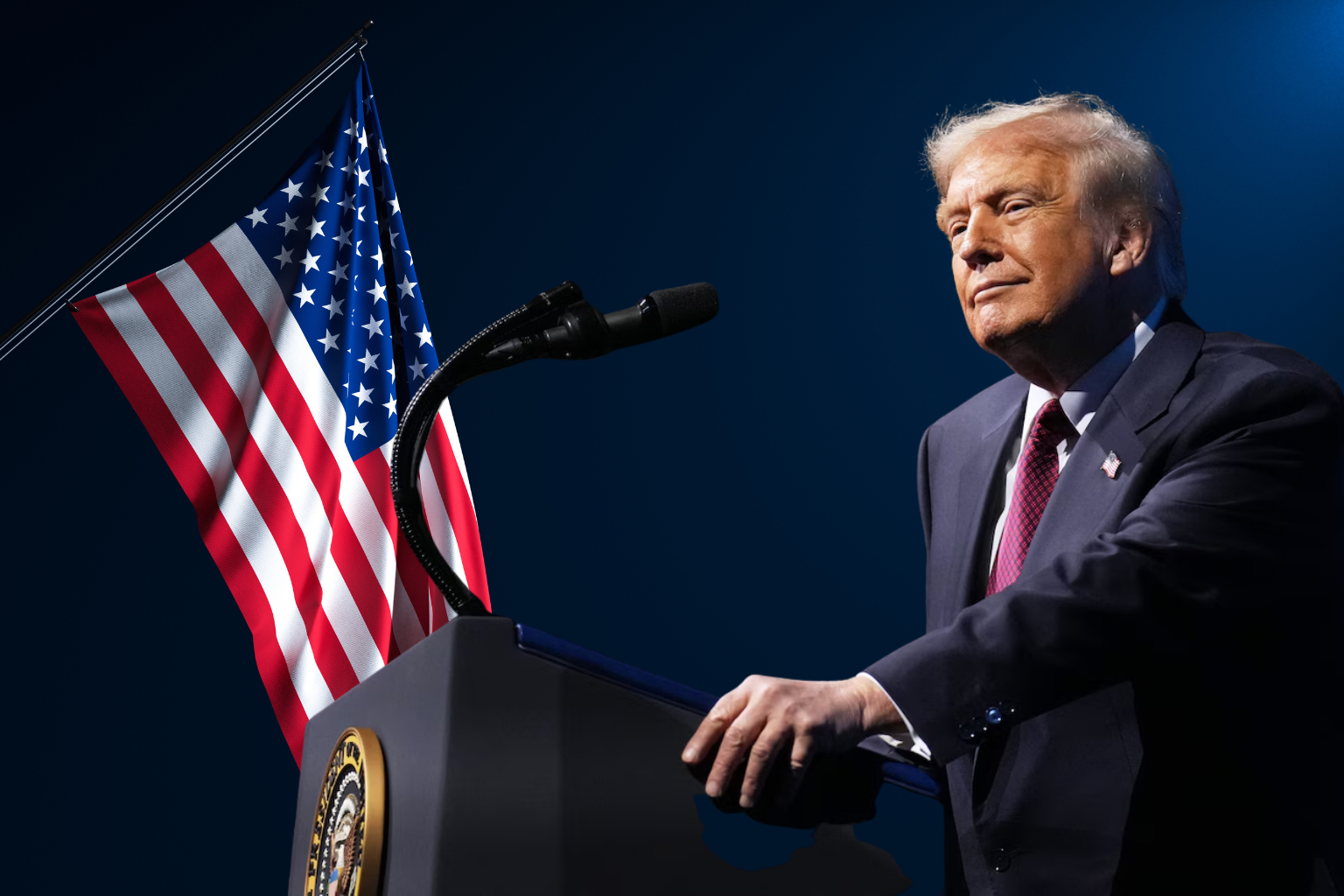
A key legislative proposal supported by President Donald Trump suffered another setback in the U.S. Senate on Thursday after a group of Republican senators joined Democrats to block the measure, highlighting continued divisions within the Republican Party over election-related legislation.
The proposal, known as the SAVE America Act, failed to advance after four Republican senators voted against an amendment that would have attached the bill to a larger budget reconciliation package worth approximately $70 billion. The spending package was primarily focused on funding U.S. Immigration and Customs Enforcement (ICE) and the U.S. Border Patrol through the remainder of Trump’s second presidential term.
Republican Senators Susan Collins of Maine, Lisa Murkowski of Alaska, Mitch McConnell of Kentucky, and Thom Tillis of North Carolina joined Democratic lawmakers in opposing the amendment. The measure, introduced by Senator Lindsey Graham of South Carolina, required at least 60 votes to move forward but received only 48 votes in support, resulting in its defeat.
The vote marked another obstacle for one of Trump’s major legislative priorities. Earlier this year, the SAVE America Act successfully passed the U.S. House of Representatives, but it has faced significant challenges in the Senate, where most legislation requires a 60-vote threshold to advance.
The bill contains several provisions that have generated intense political debate. Among its key elements are nationwide requirements for proof of citizenship when registering to vote and mandatory photo identification for voters before casting ballots. The legislation also includes restrictions on the use of mail-in voting in certain situations. In addition, the proposal contains provisions related to transgender athletes participating in women’s sports and limits on gender-affirming medical care for minors.
Trump has repeatedly argued in favor of the legislation and has encouraged Senate Republicans to consider changing Senate procedures to make it easier for the measure to pass. Specifically, he has urged lawmakers to eliminate the filibuster, the long-standing Senate rule that generally requires 60 votes for most bills to advance.
The failed vote quickly triggered strong reactions from several prominent Republican figures and supporters of the president. Critics of the four Republican senators accused them of undermining a major conservative policy goal and breaking ranks with their party at a critical moment.
Senator Tommy Tuberville of Alabama publicly criticized the outcome, arguing that Republican voters in the affected states deserved stronger support for the legislation. Several conservative commentators and social media personalities also expressed frustration over the vote, with some calling for political consequences for the lawmakers involved.
The criticism extended to Senator Susan Collins, who is seeking reelection and remains one of the most closely watched Republican incumbents in the country. Her vote drew particular attention from conservative activists who viewed the legislation as a priority issue.
Technology entrepreneur Elon Musk also reacted to the Senate vote, urging voters to hold the lawmakers accountable at the ballot box. Conservative media personalities echoed similar concerns, describing the vote as a significant break from the party’s broader agenda.
While Trump did not directly comment on the Senate defeat following the vote, he continued to show support for Senator Lindsey Graham, the sponsor of the amendment. In a message posted Thursday evening, Trump offered his full endorsement of Graham ahead of an upcoming primary election, praising the South Carolina senator and encouraging Republican voters to support him.
Earlier in the day, Trump publicly defended the SAVE America Act and questioned why lawmakers would oppose the proposal. However, despite his support and backing from many conservatives, the legislation once again failed to secure the votes necessary to advance in the Senate.
The result underscores the ongoing challenges facing Republican leaders as they attempt to unite the party around key legislative priorities. It also demonstrates how a small group of senators can play a decisive role in determining the fate of major policy proposals in a closely divided Senate.
As debate over election laws, voting requirements, and broader cultural issues continues, the future of the SAVE America Act remains uncertain. For now, the bill’s latest defeat represents another significant hurdle for supporters hoping to see the measure become law.
Sources
- Official U.S. Senate records and proceedings
- Official statements from members of the United States Senate
- Public statements from President Donald Trump
- Official congressional legislative records regarding the SAVE America Act
- Official communications from the U.S. House of Representatives and U.S. Senate regarding legislative actions on the bill