
Senate Republicans Split on Iran Powers Vote as Trump Applauds Last-Minute Shift
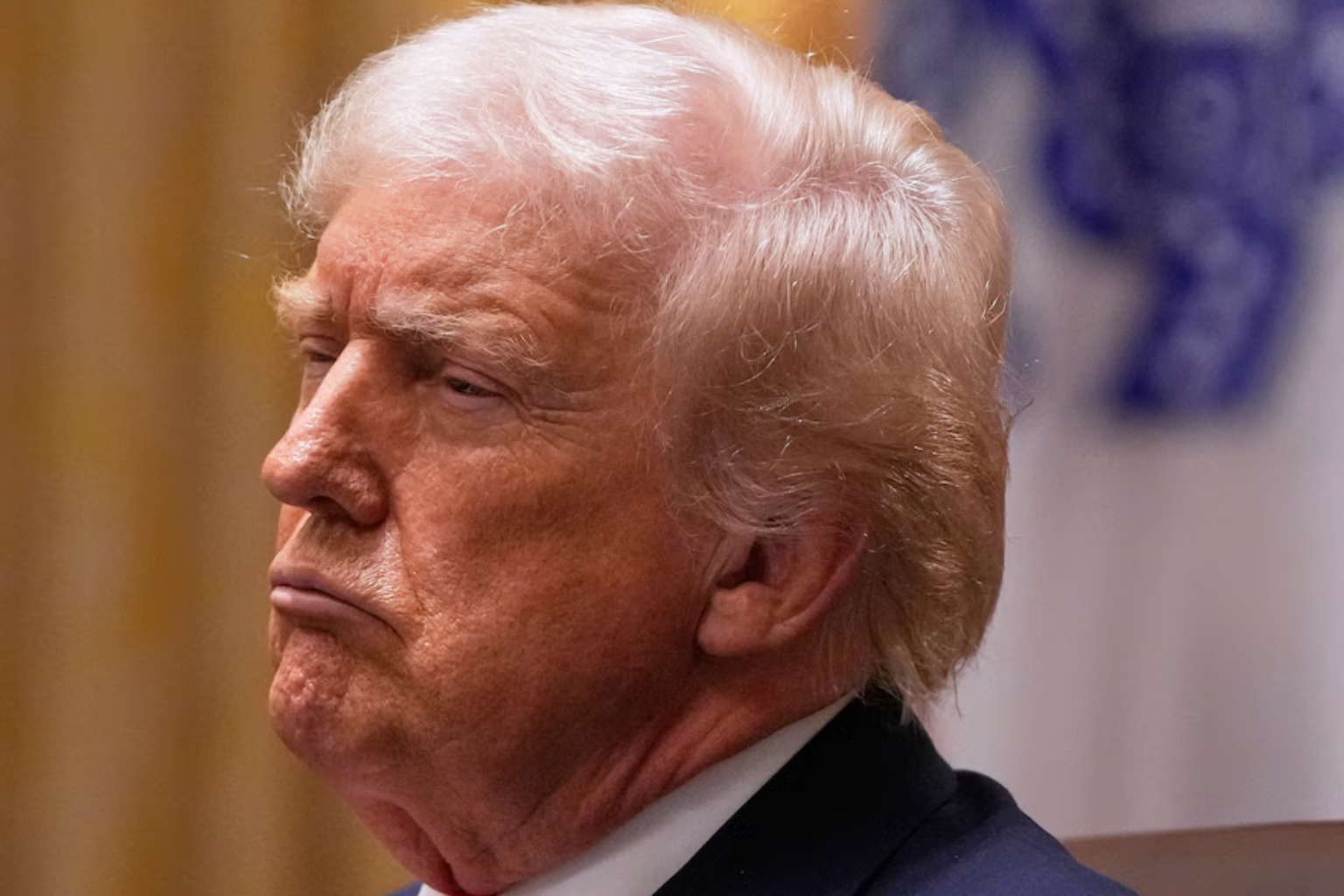
Senate Republicans Split on Iran Powers Vote as Trump Applauds Last-Minute Shift
President Donald Trump celebrated a key development in the U.S. Senate on Wednesday after two Republican senators changed their positions on an effort aimed at limiting presidential authority over military involvement related to Iran.
The vote centered on a war powers resolution that called for the withdrawal of U.S. troops from the conflict involving Iran. Earlier in the process, four Republican senators — Susan Collins of Maine, Lisa Murkowski of Alaska, Rand Paul of Kentucky, and Bill Cassidy of Louisiana — joined most Democrats in supporting the measure.
The issue quickly became a major point of debate within the Republican Party. Trump strongly criticized the four senators in a social media post on Tuesday, describing them as “losers” for supporting the resolution.
By Wednesday night, however, the political landscape had shifted. Senate Republicans successfully blocked the effort to advance the resolution after changes in voting positions altered the outcome. Trump responded with a celebratory message on Truth Social, highlighting the reversal and thanking several Republican leaders and lawmakers for their support.
In his post, Trump noted that the Senate vote changed from opposition to support of the resolution to a result that favored blocking it. He specifically thanked Senate Majority Leader John Thune, Senator Lindsey Graham, Senator Bernie Moreno, and others, while arguing that the outcome sent a strong message to Iran.
The vote came after an active day of discussions among Senate Republicans. Trump met with Republican senators at the White House on Wednesday, where reports indicated a heated exchange took place between the president and Senator Bill Cassidy regarding the Iran resolution.
Later in the day, Cassidy received a briefing on Iran from Vice President JD Vance and Special Envoy Steve Witkoff. Following the meeting, Cassidy said he appreciated the detailed discussion and the opportunity to address concerns he had raised about the situation.
After those conversations, Cassidy changed his position and voted against advancing the resolution. His decision proved significant as Senate leaders worked to prevent the measure from moving forward.
Senator Rand Paul also adjusted his approach to the vote. Although he has consistently expressed concerns about war powers and executive authority, Paul announced that he would vote “present” rather than support advancing the resolution.
In a statement shared on social media, Paul said his views regarding war and presidential power had not changed. However, he explained that current conditions and the president’s request for flexibility in negotiations influenced his decision.
According to Paul, ongoing hostilities appeared to have subsided, and he believed allowing the administration additional room to negotiate could support efforts toward a longer-term peace arrangement. He said his vote was intended to provide the president with greater leverage in diplomatic discussions.
The final vote took place shortly before midnight on Wednesday. The resolution failed to advance by a margin of 47-50-1, marking a significant victory for Trump and Senate Republican leadership.
The outcome highlighted divisions within the Republican Party over questions involving military authority, congressional oversight, and U.S. policy toward Iran. While some lawmakers argued Congress should play a stronger role in decisions related to military action, others maintained that the president should retain broader flexibility when managing national security and diplomatic negotiations.
For Trump, the failed resolution represented an important political win after a tense debate within his own party. The vote also underscored how quickly positions can shift in Washington when lawmakers receive additional briefings, engage in negotiations, and weigh broader strategic considerations.
As discussions over executive authority and foreign policy continue, the Senate vote serves as another example of the ongoing debate in Congress over the balance of power between the legislative and executive branches during international conflicts.