
Pacific Island Nation Officially Adopts Traditional Name to Reflect Its Cultural Identity
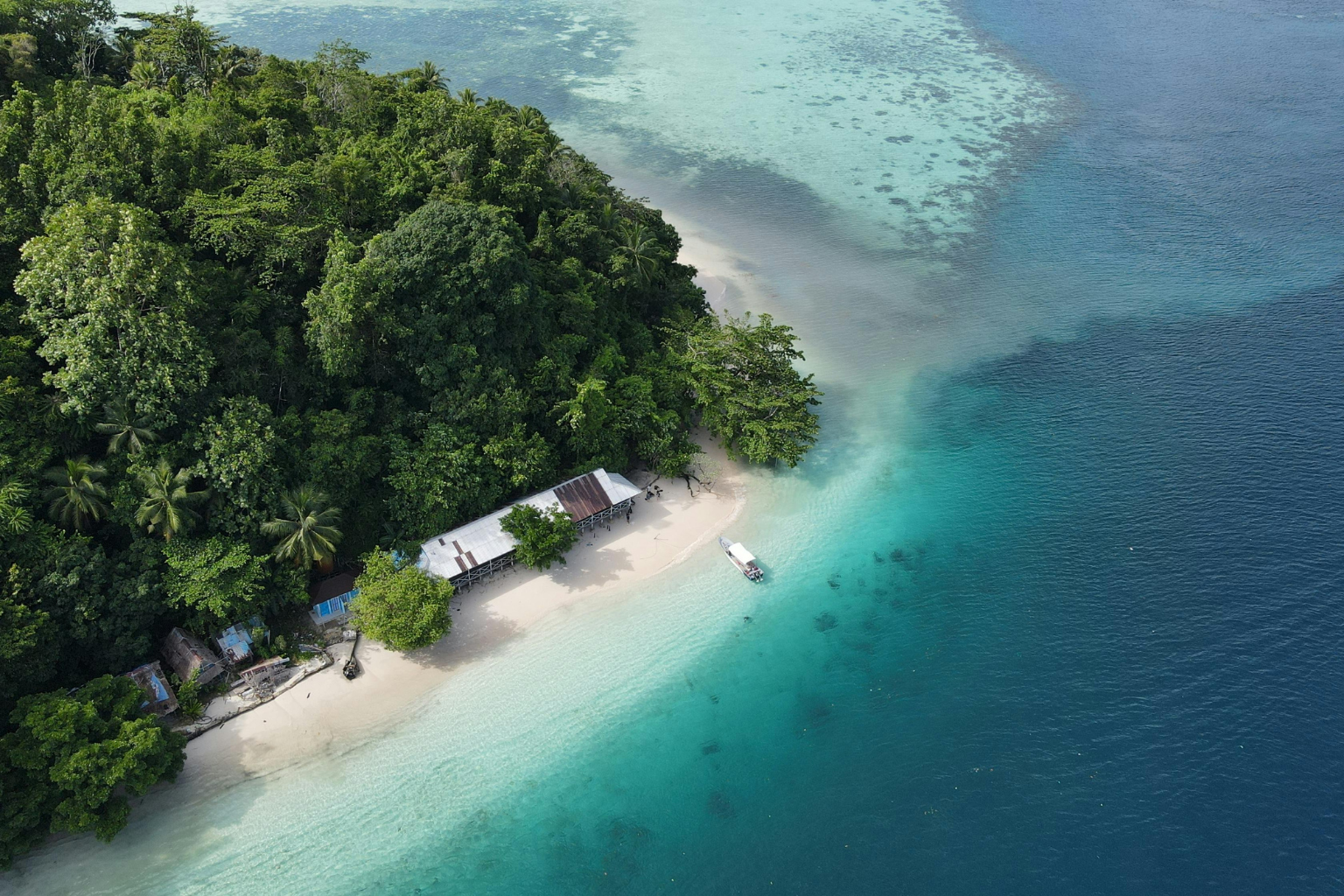
One of the world’s smallest independent countries has officially announced a historic national identity change by adopting its traditional name. The Pacific island nation previously known internationally as Nauru will now be called the Republic of Naoero, a move that leaders say better reflects the country’s language, culture, and history.
The decision marks an important step for the island nation as it seeks to strengthen its cultural identity on the global stage. Government officials explained that the updated name aligns with the spelling and pronunciation used in the country’s native language, making it a more accurate representation of the nation’s heritage.
President David Adeang said the change is intended to honour the country’s traditions while preserving its unique cultural identity for future generations. The proposal was first presented to Parliament earlier this year, where officials emphasised the importance of recognising the nation’s original name instead of the version that became widely used internationally over the years.
As part of the transition, several official identifiers will also be updated. The country’s international code, currently recognised as NRU, will change to NRO to match the new national name. In addition, citizens will now officially be referred to as dei-Naoero instead of Nauruan, reflecting the terminology used in the local language.
For many people outside the Pacific region, the country has long been known by the pronunciation “Now-roo”. Under the new naming system, the traditional pronunciation will be closer to “Now-ero”, bringing international recognition in line with how residents have identified their homeland for generations.
Government leaders described the decision as more than a simple name update. They believe it represents a renewed commitment to protecting the nation’s language, history, and cultural traditions in an increasingly connected world. Officials say restoring the traditional name reinforces the country’s sovereignty and highlights the importance of preserving indigenous identity.
The Republic of Nauru is located in the central Pacific Ocean and is recognised as the world’s third-smallest country by land area. Despite its small size, the island has a distinct cultural history and has remained an independent republic since gaining independence from Australia, New Zealand, and the United Kingdom in 1968.
Like many island nations, Naoero has faced significant economic and environmental challenges over the years. The country was once one of the world’s richest nations per person due to phosphate mining, but the depletion of those resources created long-term economic difficulties. In recent years, the government has focused on economic diversification, climate resilience, and international partnerships while continuing to preserve its cultural heritage.
National name changes are relatively uncommon, but they are often made to restore historical identities, correct colonial-era spellings, or better represent local languages. Around the world, several countries have updated their official names in recent decades as part of broader efforts to strengthen national identity and cultural recognition.
For the Republic of Naoero, officials say the change is intended to ensure that the country’s official identity reflects its own language rather than a pronunciation that became common outside its borders. Leaders hope the new name will be adopted by international organisations, governments, and global institutions over time as official records are updated.
The transition is expected to take place gradually as international agencies, foreign governments, airlines, mapping services, and other organizations revise official documents and databases. During this process, both the former and new names may continue to appear in some records until updates are completed.
Government officials believe the decision represents an important milestone in the nation’s history, emphasising that preserving cultural identity remains a priority alongside economic development and international cooperation. By restoring its traditional name, the Republic of Naoero aims to ensure its history, language, and heritage are accurately represented for future generations.
Sources
- Government of the Republic of Naoero (Official Government Announcement)
- Associated Press (AP)