
Newark Community Reading Program Helps More Children Reach Grade-Level Literacy Through Mentorship and Books
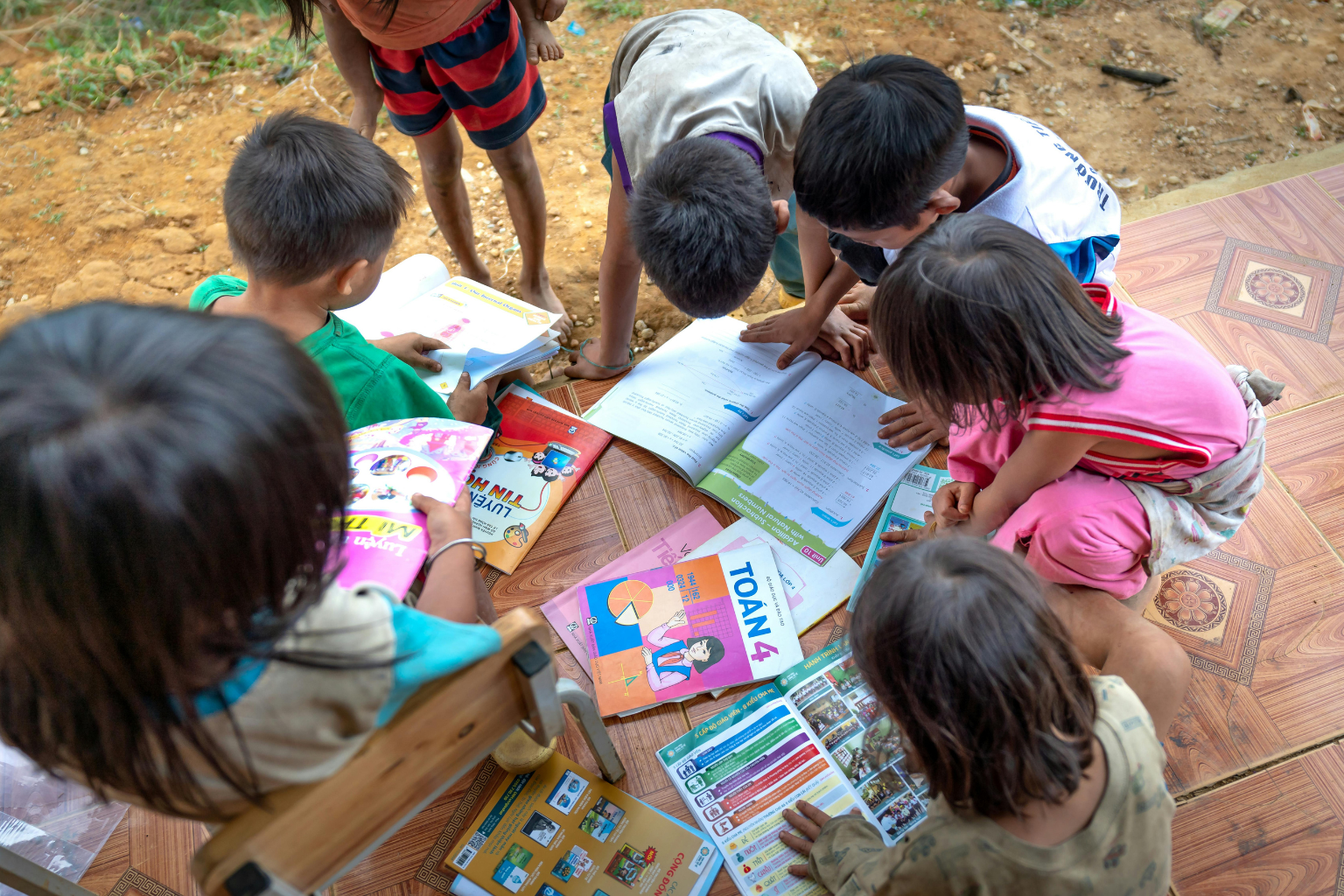
A community-led reading programme in Newark is helping children strengthen their reading skills while giving them a safe place to learn, grow, and build confidence. What started as a simple idea to encourage children to read more has become a meaningful support system for dozens of families, especially in the city’s South Ward, where many students face educational and economic challenges.
The programme, known as Bedtime Stories, has become more than just a reading club. It offers children regular opportunities to practise reading, interact with positive mentors, develop communication skills, and discover a love for books. Organisers say the goal is not only to improve literacy but also to give young people a brighter vision for their future.
Held both online and in person, the initiative serves children primarily between the ages of 4 and 12. Participants meet several evenings each week for virtual reading sessions and gather monthly for community events that include book discussions, educational trips, and opportunities to meet local authors.
The programme was created by Newark educator and community leader Sami Armstrong, who wanted to provide children with positive experiences outside of school. Having grown up in the South Ward himself, Armstrong understands many of the challenges local families face. He believes consistent encouragement, access to books, and trusted adult mentors can make a lasting difference in children’s lives.
His vision has received strong support from local business owners Annie and Darryl Godfrey, who have helped fund and host many of the programme’s activities. Their laundromat has become an unexpected community gathering place where children, parents, educators, and authors regularly come together to celebrate reading.
Instead of serving only as a neighbourhood business, the location has been transformed into a welcoming educational space decorated with college banners and motivational displays designed to encourage children to dream beyond their current circumstances. Organisers say these visual reminders help students imagine future opportunities through education.
Since its launch, the reading program has introduced participants to more than 600 books. During virtual sessions held three nights each week, children take turns reading aloud, discussing stories, expanding their vocabulary, and building confidence speaking in front of others.
The learning continues beyond online meetings. Throughout the year, families attend community reading events, educational outings, and field trips that expose children to new experiences outside their neighbourhoods. Previous activities have included museum visits and educational travel designed to connect classroom learning with real-world experiences.
Many of the students participating in the programme attend nearby elementary schools where reading proficiency remains a significant challenge. Community leaders hope that providing regular reading practice outside school hours can help students improve academic performance over time.
According to organisers, several families have already noticed measurable improvements. Parents report their children have become more comfortable reading independently, participating in classroom discussions, and speaking confidently in public settings.
One parent shared that her daughter progressed from reading below grade level to reading at grade level after regularly participating in the evening reading sessions. Others say their children now look forward to reading each week and remind one another not to miss scheduled meetings.
Beyond literacy, the programme also encourages creativity. During a recent community event, several children proudly presented books they had written or co-authored through school writing projects. Family members gathered to celebrate the young authors as they read their stories aloud before supporters and neighbours.
For many participants, these public readings represent personal milestones. Children who were once hesitant to speak in front of groups are now confidently sharing their own writing with audiences, demonstrating both improved reading ability and increased self-confidence.
The events also introduce children to local authors who share their personal stories and discuss the importance of education, resilience, and lifelong learning. These interactions allow students to see successful writers and community leaders who come from backgrounds similar to their own.
Programme organisers believe these connections help children understand that reading is more than an academic requirement. They see it as a pathway to opportunity, personal growth, and future career possibilities.
The support extends beyond books. Community partners have organised holiday meals, provided assistance to local families, and offered practical resources that reduce everyday burdens for parents. These efforts help create stronger relationships between families, educators, and neighbourhood organisations.
Volunteers also emphasise the importance of mentorship. Many children participating in the programme benefit from having caring adults who consistently encourage their progress and celebrate their achievements. Organisers say these relationships often become just as valuable as the reading lessons themselves.
The initiative operates in neighbourhoods where many families continue to face financial hardship. Rising housing costs, economic pressures, and limited educational resources can make it difficult for parents to provide additional learning opportunities outside school. Community leaders say programmes like this help fill an important gap by offering free educational support in a welcoming environment.
Parents have responded positively to the consistent schedule and family-friendly approach. While children develop reading and communication skills, parents also appreciate having a structured educational activity that keeps students engaged during evening hours.
The reading sessions include more than traditional storytelling. Children participate in vocabulary games, group discussions, and interactive activities that encourage curiosity and critical thinking. Organisers say students often surprise volunteers with the advanced words they learn and remember through these exercises.
Community leaders hope the programme will continue expanding as more families learn about its impact. They believe improving childhood literacy requires collaboration between educators, local businesses, nonprofit organisations, volunteers, and parents working toward a common goal.
Education experts have long recognised that regular reading practice, family involvement, and positive mentoring play an important role in helping children achieve stronger academic outcomes. Local organisers say their experience reflects that research, with students showing greater enthusiasm for reading and increased confidence both inside and outside the classroom.
As the programme continues to grow, organisers remain focused on one simple mission: helping children become stronger readers while creating opportunities that inspire lifelong learning. For many Newark families, those evening story sessions have become much more than reading lessons—they have become a foundation for confidence, community, and hope for the future.
Sources
- Chalkbeat Newark
- Newark Board of Education
- New Jersey Department of Education
- National Center for Education Statistics (NCES)
- U.S. Department of Education