
New Jersey Governor Mikie Sherrill Faces Growing 2028 Presidential Speculation Amid Early Tenure Focus
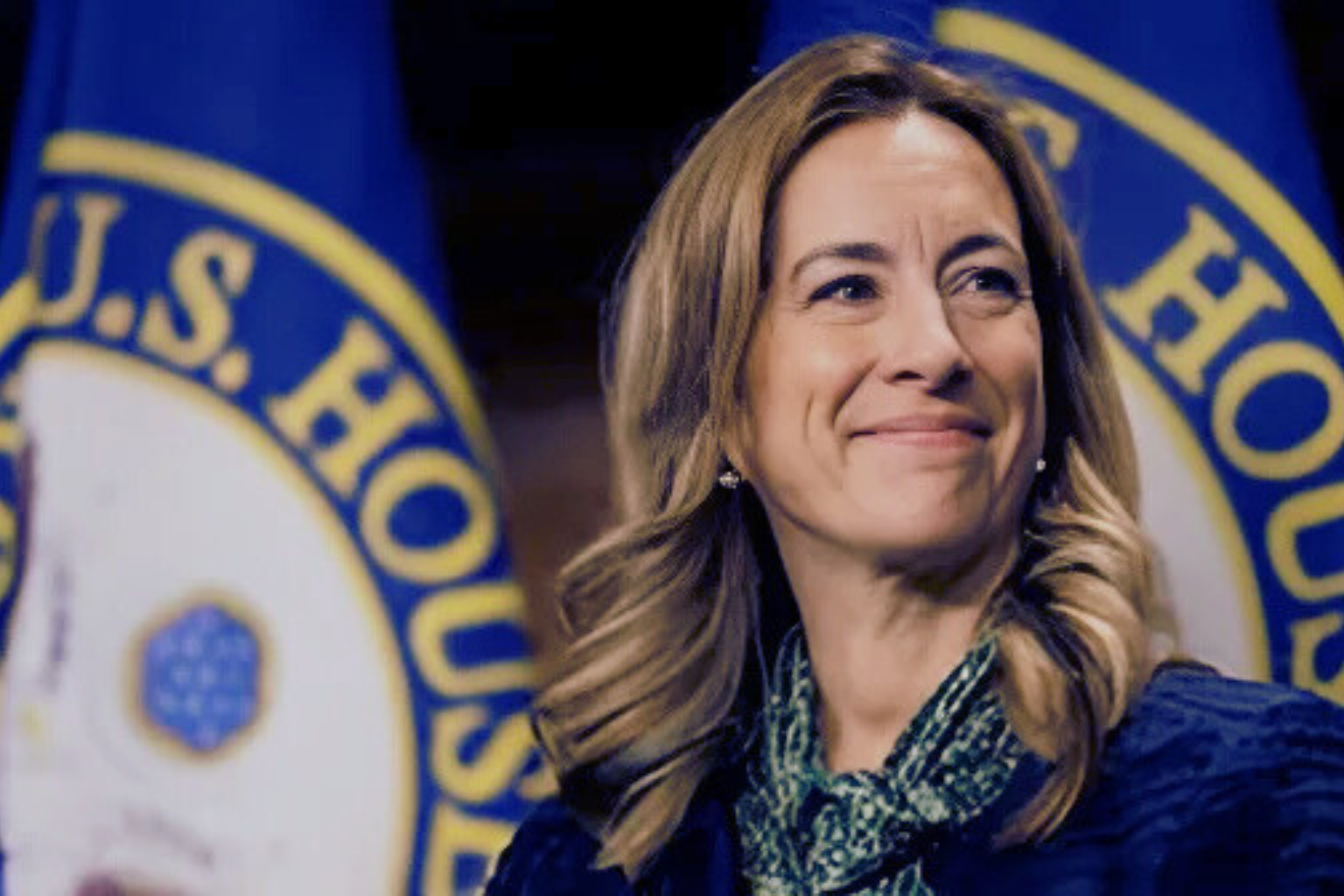
Governor Mikie Sherrill of New Jersey has recently become the subject of increasing political discussion regarding a possible future presidential run in 2028. While no official announcement has been made, political observers and commentary surrounding her early days in office have begun to raise questions about her long-term national ambitions.
The conversation has largely emerged from a weekly political newsletter that tracks the early leadership phase of Governor Sherrill’s administration. The newsletter, which focuses on the political climate surrounding her governorship, has highlighted how quickly her name is entering broader national political discussions. One recurring theme in recent commentary has been the idea of “Sherrill 2028,” reflecting speculation rather than confirmed plans.
Mikie Sherrill, who recently began her term as Governor of New Jersey, delivered her inauguration speech at the New Jersey Performing Arts Center in Newark in January. Her swearing-in marked a significant moment in the state’s political history, alongside Lieutenant Governor-elect Dr. Dale Caldwell. Since taking office, her administration has been navigating early governance priorities while also attracting attention beyond state politics.
At this stage, there is no formal confirmation from Governor Sherrill or her office indicating any intention to enter the 2028 presidential race. The discussion remains rooted in political analysis and speculation, which is common for newly elected governors who often gain national visibility early in their terms.
Political analysts note that such speculation often grows around governors of large and politically influential states like New Jersey. However, experts also emphasize that early-term focus is typically centered on state governance, policy implementation, and administrative stability rather than national campaigns.
For now, Governor Sherrill’s attention remains on shaping her administration and addressing state-level priorities. The emerging conversation around her potential future ambitions reflects the broader tendency in American politics where rising state leaders are frequently evaluated for possible national roles.
As her tenure continues, political observers will likely keep monitoring both her policy direction and public approval, which often play a key role in determining whether such speculation gains any real political weight in the future.