Kentucky Family Walks Away From $26 Million Data Center Deal to Protect Generational Farmland
A multimillion-dollar offer was not enough to convince a Kentucky mother and daughter to give up the farmland their family has held for generations.
Delsia Bare and her mother, Ida Huddleston, became part of a growing debate over the rapid expansion of artificial intelligence infrastructure after they rejected a combined offer of roughly $26.4 million for portions of their family property near Maysville, Kentucky. The land was being considered for a large data centre development connected to the growing demand for computing power behind artificial intelligence.
The decision initially came as a surprise even to the women themselves. They had agreed to the proposed sale before learning more about what was planned for the property. Once they understood that the land could become part of a major data centre project, however, they changed their minds.
Bare’s eventual response was blunt: “Kick rocks and don’t come back.”
The unusual rejection has drawn national attention because it highlights a conflict appearing in rural communities across the United States. Technology companies need enormous amounts of land, electricity and infrastructure to build facilities capable of handling AI workloads. At the same time, many rural property owners see their farms as much more than real estate that can be sold to the highest bidder.
For Bare and Huddleston, the value of their property cannot be measured simply by its market price.
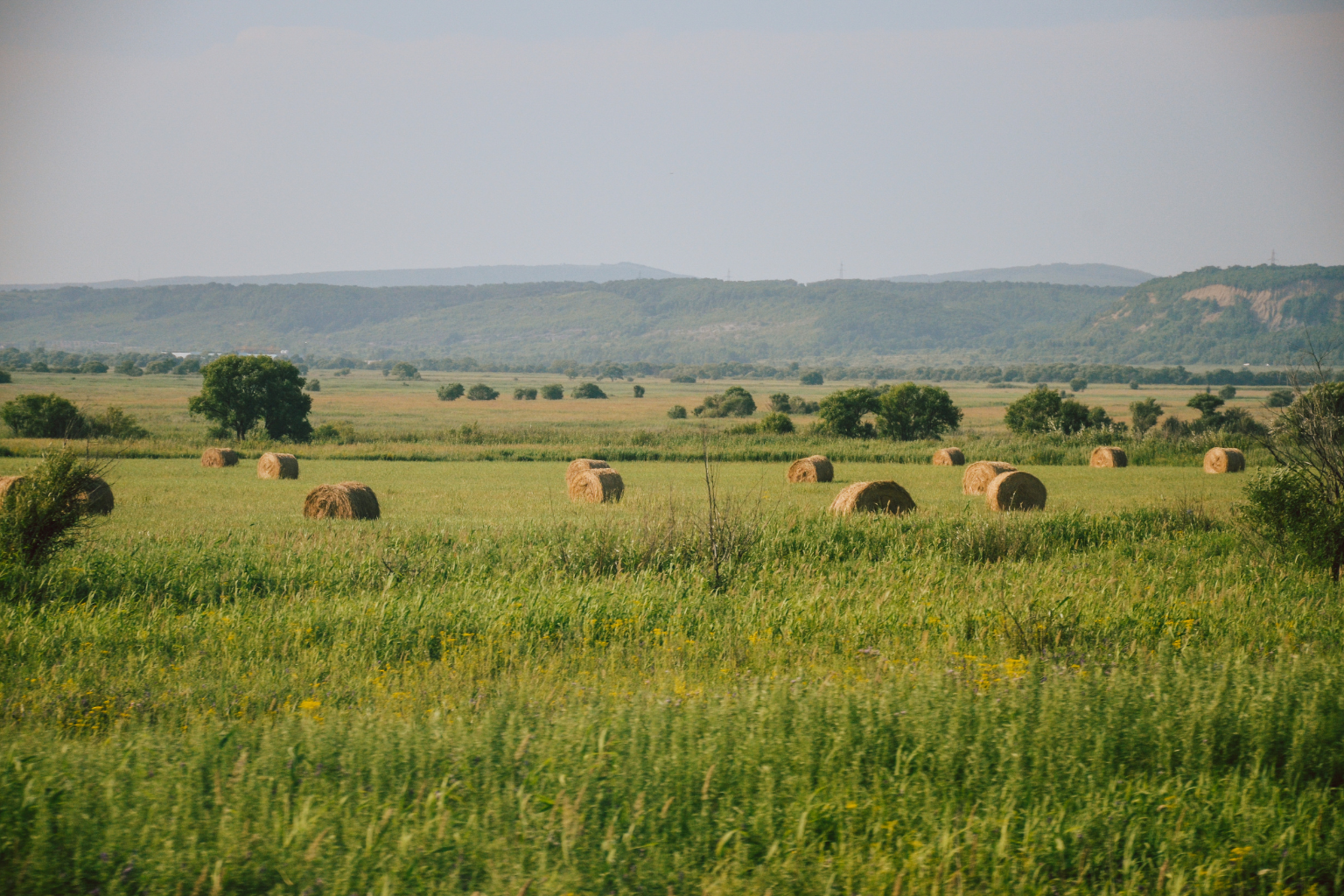
Their family has maintained the land in Mason County for more than 200 years. Generations of the family have lived and worked there, raising livestock and relying on the farm as a central part of their lives. That history became one of the main reasons they decided that accepting the money was not worth giving up the property.
The financial figures involved were substantial. Earlier reports said Huddleston was offered about $60,000 per acre for her 71-acre portion, while Bare was offered approximately $48,000 per acre for 463 acres. Together, those offers represented more than $26 million.
The proposed transaction was part of a much larger development plan involving thousands of acres around Maysville. Reports have described the proposed campus as a large-scale AI data centre project that could require significant changes to the surrounding area.
The identity of the company behind the land purchases has remained confidential. Media reports have linked the project to a company believed to have connections with Meta, the parent company of Facebook, Instagram and WhatsApp, but Meta has said it had not made a decision about working in the area. Because of confidentiality agreements surrounding the negotiations, the company’s identity has not been publicly confirmed.
That uncertainty has become an important part of the controversy.
For residents trying to understand how a large technology development could affect their community, a lack of information can make it difficult to judge the potential benefits and drawbacks. Data centres can bring major construction activity, new infrastructure and tax revenue. They can also require huge amounts of electricity and, depending on the facility’s design, significant water resources.
Local officials have previously described the proposed Maysville-area development as potentially significant for the local economy. Earlier reporting indicated that the project could generate more than 1,000 construction jobs during an extended building period and create permanent positions once the facility becomes operational.
Supporters of projects like this generally point to those economic benefits when explaining why communities should consider large-scale technology developments. A major facility can require roads, electrical infrastructure and other improvements that may benefit an area beyond the property where the data centre is built.
But those benefits do not necessarily persuade every landowner.
Bare and Huddleston have expressed concerns about what would happen to the surrounding area if their farmland were transformed into an industrial technology site. Their objections involve more than the physical loss of farmland. They have also questioned the broader environmental and community consequences associated with large data centres.
The issue reflects a larger national conversation about where America’s AI infrastructure should be built.
Artificial intelligence systems require powerful computer servers housed in specialised facilities. As companies expand AI services, demand for these facilities has grown rapidly. Rural areas can be attractive locations because they may offer large parcels of relatively open land, access to power infrastructure and fewer development restrictions than densely populated urban areas.
That expansion, however, can put technology companies and rural residents on opposite sides of difficult decisions.
A farmer may see hundreds of acres as family history, agricultural production and a place that should be passed to another generation. A technology company may see the same property as a strategically located site capable of supporting a facility worth billions of dollars.
Neither perspective is necessarily simple.
For the Kentucky family, the decision became deeply personal. Bare has described the possibility of losing the family property as emotionally painful, while Huddleston has emphasised her desire to remain on the land and pass it forward.
Their position also demonstrates that an exceptionally high offer does not automatically mean a property owner will sell. Land can have sentimental, cultural and family value that does not appear in a real estate appraisal.
The Maysville dispute also comes at a time when states and local governments are paying closer attention to the demands created by large data centres. Electricity is one of the biggest considerations because AI facilities can consume enormous amounts of power around the clock. Kentucky regulators have already dealt with special electricity arrangements for data centres, including a dedicated data-centre power tariff approved by the Kentucky Public Service Commission for East Kentucky Power Cooperative.
Those regulatory developments show why data centre construction is not simply a private real estate transaction. Large facilities can affect utilities, local infrastructure and long-term planning.
Water is another concern frequently raised in discussions about data centre expansion. Cooling systems can require water, although the amount varies substantially depending on the facility’s technology and design. Communities considering new projects therefore have to examine how a proposed facility could interact with existing water supplies and other local resources.
Energy use and environmental questions have also contributed to opposition against some data centre developments across the country. Residents in several states have asked officials for more information before approving large projects, particularly when developments could significantly change the character of rural communities.
The Kentucky case illustrates another important issue: what happens when neighbouring property owners make different choices?
Some landowners in the Maysville area have reportedly agreed to sell their property, while Bare and Huddleston have chosen to remain. That can create complicated community dynamics because a large project may still move forward even when some landowners refuse to participate.
For the mother and daughter, however, the decision appears settled. The money offered for their property may have been life-changing, but they ultimately decided that the land itself was worth more.
Their refusal is now part of a much larger American debate over AI and the physical infrastructure needed to power it. The technology may be digital, but its expansion requires very real things: land, electricity, water, roads and buildings.
As AI companies continue searching for locations for new data centres, communities like Maysville are being forced to consider an increasingly difficult question: how much economic development is worth giving up land that has supported families for generations?
In this Kentucky case, Bare and Huddleston have made their answer clear. For them, $26 million was not enough to replace what the family believed it would lose.
Sources
- The Wall Street Journal — reporting on the Maysville, Kentucky farmland and proposed AI data centre project.
- New York Post — reporting on the $26.4 million offer and the family’s rejection.
- WKYT / WXIX — local reporting on the proposed development, land offers and potential economic impact.
- Kentucky Public Service Commission — official records concerning Kentucky’s regulation of electricity service for data centres.