How One Record-Breaking July 4 Concert Transformed Liberty State Park for Decades
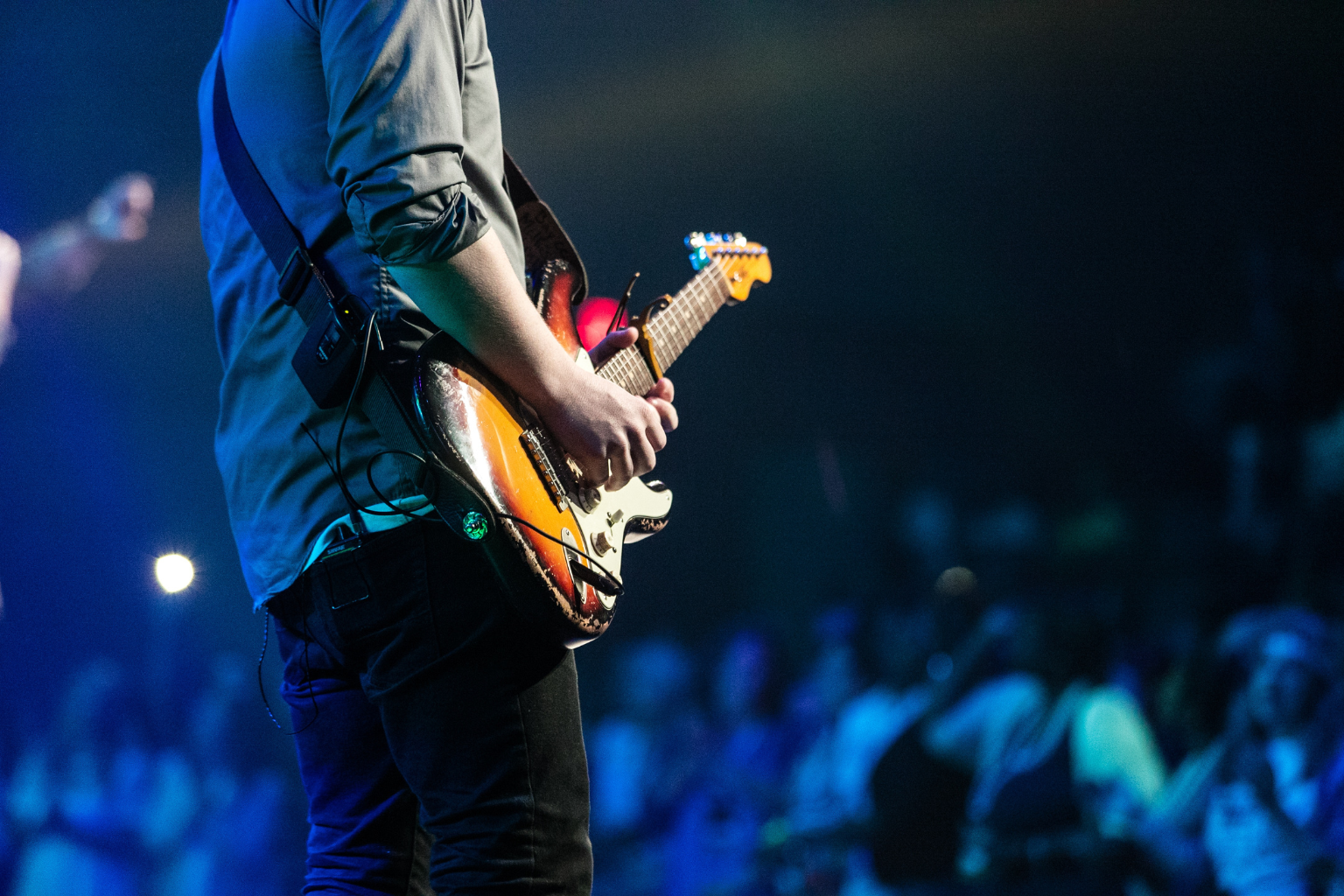
A single Independence Day concert at Liberty State Park in Jersey City became one of the most unforgettable live music events in New Jersey history. On July 4, 1985, legendary rock duo Daryl Hall and John Oates performed before an estimated crowd of 60,000 people, creating a celebration that was remembered for its enormous attendance, energetic atmosphere, and lasting impact on the future of the park.
More than four decades later, the concert continues to be recognized as a defining moment in the history of Liberty State Park. While many well-known artists have performed there over the years, no concert has matched the size of that 1985 event, and its effects changed how major gatherings were managed at the waterfront park for years to come.
At the time, Hall & Oates were enjoying the peak of their international success. Their chart-topping songs had made them one of the most successful rock duos in music history, and expectations for the Independence Day celebration were already high. Even so, John Oates later admitted that he never imagined the event would grow into such a massive occasion.
Instead of traveling by road, Hall and Oates arrived by helicopter from lower Manhattan. During the flight, they passed the Statue of Liberty, which was surrounded by scaffolding as it underwent restoration ahead of its 100th anniversary celebration. Oates later described the experience as unforgettable, saying the scale of the celebration was far greater than he had expected.
Thousands of fans traveled to Liberty State Park throughout the day. Many drove to the park, while others walked long distances to reach the concert grounds. Some attendees found parking without difficulty, but others had to leave their vehicles miles away before making the walk to the venue.
Among those in attendance was Lisa Kaplan, who was in her early twenties and attended the concert with her future husband. She remembered spending the day sitting on blankets across the large field instead of folding chairs while enduring the summer heat. According to Kaplan, the performance began while the sun was still shining and continued well after sunset, creating a memorable Fourth of July experience for thousands of music fans.
The concert came during one of the busiest periods of Hall & Oates’ career. Just nine days later, the duo would perform at the internationally known Live Aid concert in Philadelphia. Looking back, Oates said the band was operating at full speed during that era, constantly touring, writing songs, recording albums, and rarely slowing down.
The Jersey City performance featured many of the duo’s biggest hits that had dominated radio throughout the early 1980s. Fans heard popular songs including “Rich Girl,” “Maneater,” “You Make My Dreams,” “Family Man,” “Method of Modern Love,” “Adult Education,” and several other well-known tracks. While Daryl Hall handled lead vocals on many of the group’s biggest hits, the setlist also included John Oates’ song “Possession Obsession,” which he later explained reflected his personal attempt to stay grounded during the height of the band’s fame.
Although the concert delivered an unforgettable experience for fans, it also exposed challenges that came with hosting an event of that size. Tickets cost $5, with part of the proceeds intended to support the restoration of the Statue of Liberty. However, the final donation made by the concert promoter fell well below the amount that had originally been expected.
Public safety officials also faced significant demands during and after the event. Reports from the time stated that one attendee suffered a heart attack while another broke a leg. Jersey City’s police officers and firefighters worked extensive overtime to manage the crowds, and it reportedly took nearly two and a half hours for approximately 60,000 spectators to leave the park after the concert ended.
The event became an important lesson for park officials and community leaders. Sam Pesin, whose late father Morris Pesin played a major role in the creation of Liberty State Park, later reflected that the concert had simply overwhelmed the park’s capacity. The experience influenced future planning for large public events at the location.
The impact became clear the following year. During the 1986 Independence Day celebration marking the Statue of Liberty’s centennial, attendance limits were significantly reduced. Instead of welcoming another crowd similar to the Hall & Oates concert, organizers restricted attendance to about 15,000 people.
Even though Liberty State Park continued hosting major musical performances over the following decades, including concerts by Aretha Franklin, Andrea Bocelli, Whitney Houston, Johnny Cash, Joel Grey, and other celebrated performers, none attracted a crowd as large as the 1985 Hall & Oates event.
For John Oates, the concert remains one of the defining performances of his career. While he no longer performs alongside Daryl Hall following the duo’s widely publicized split in 2023, he continues touring with John Oates & The Good Road Band. Looking back, Oates speaks positively about the partnership that lasted more than 50 years, describing it as an incredible career filled with unforgettable experiences before both artists eventually moved in different directions.
One memory from that Independence Day has stayed with him more than many others. Despite the excitement surrounding the concert and their helicopter flight to Jersey City, Hall and Oates first traveled through New York City on the subway to reach the heliport. Surrounded by police officers, they went unnoticed by commuters, something Oates still finds surprising. He joked that they may simply have been running late.
Today, the 1985 Independence Day concert remains an important chapter in New Jersey music history. It was more than just a successful live performance—it demonstrated both the excitement and the logistical challenges of hosting enormous public events at Liberty State Park. More than 40 years later, its influence can still be seen in how the park approaches large gatherings, making the concert a lasting part of the state’s cultural legacy.
Sources
- NJ.com
- Jersey Journal archives
- The New York Times
- The Paley Center for Media
- Official Liberty State Park information (New Jersey Department of Environmental Protection)