Emergency Response at Sandy Hook Beach Ends With One Person Dead
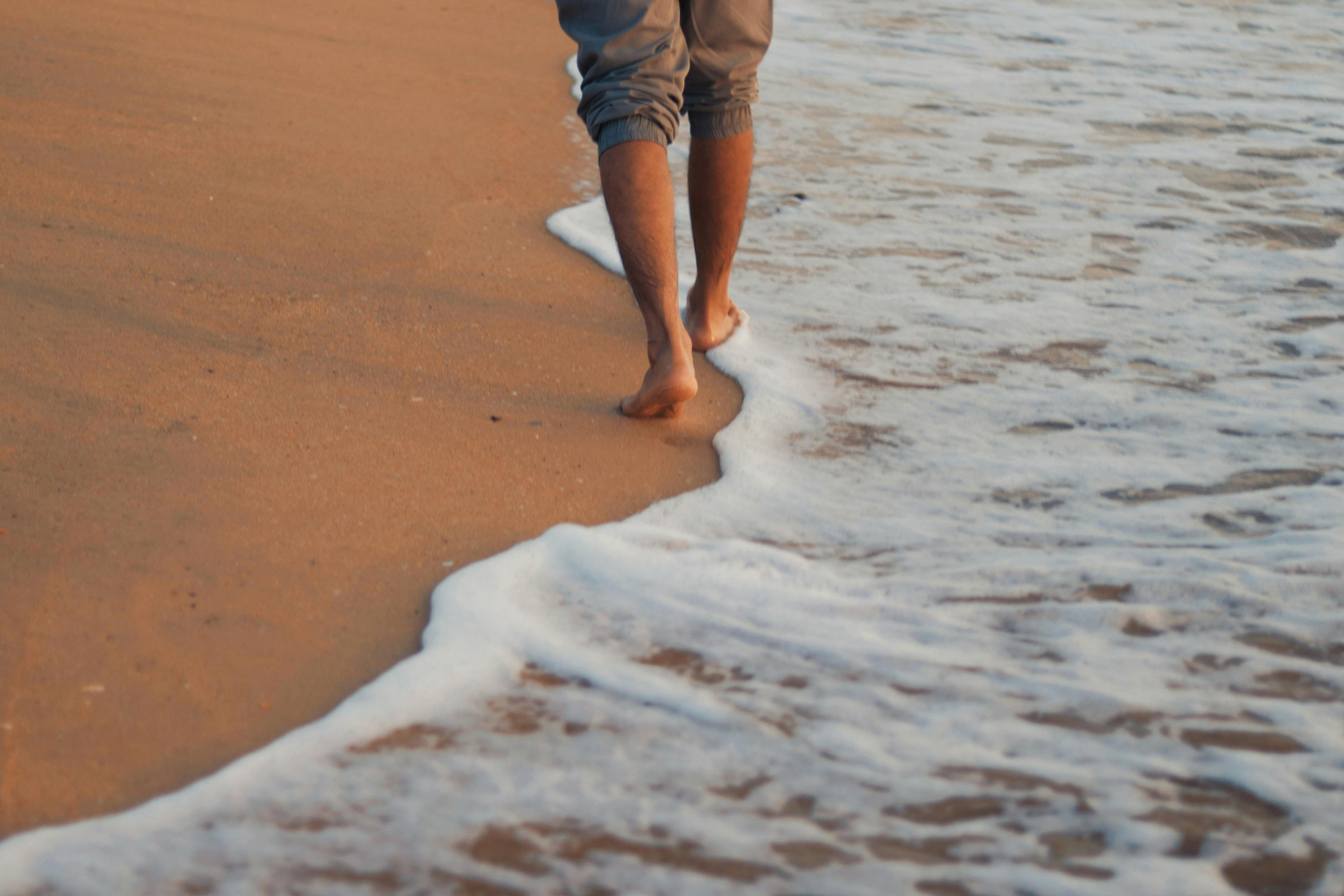
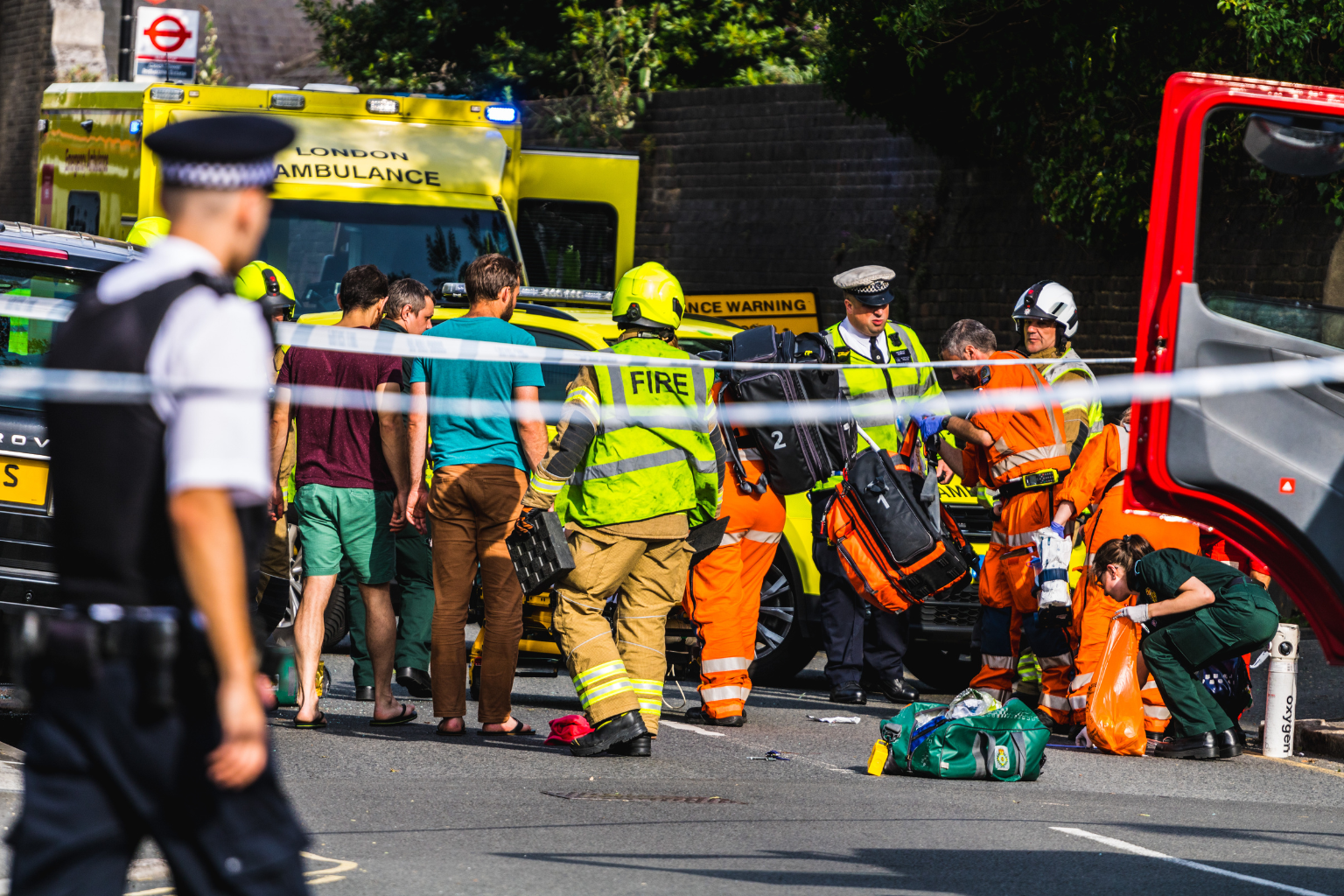
An emergency response at Sandy Hook’s Beach C ended in tragedy after a person was pulled from the water and later died at a local hospital, according to the National Park Service.
The incident happened Sunday at Beach C, where lifeguards, park rangers, emergency medical personnel and members of Sea Bright Fire Rescue responded after receiving a report of an emergency in the water.
First responders removed the individual from the water and arranged transportation to a nearby hospital for further medical treatment. Despite those efforts, the person was later pronounced dead at the hospital, National Park Service spokesperson Daphne Yun said.
Authorities have not publicly identified the victim. As of Tuesday, the National Park Service said no additional information was available about the person or the circumstances that led to the emergency.
The incident took place at Sandy Hook, a popular coastal recreation area within Gateway National Recreation Area. Beach C is one of the designated swimming areas at the Sandy Hook unit and is normally staffed by lifeguards during the summer swimming season.
According to the National Park Service, Beach C is among the Sandy Hook beaches where lifeguards are on duty from 10 a.m. to 6 p.m. during the designated swimming season. The park advises visitors to swim only in areas where lifeguards are present and to follow instructions based on current water and beach conditions.
The presence of lifeguards and multiple emergency-response agencies highlights the seriousness of the situation. Lifeguards and park personnel are often the first to respond when an emergency occurs in a designated swimming area, while emergency medical teams provide medical assistance and arrange transportation when hospital care is needed.
At this time, authorities have not released information explaining what caused the emergency. There has also been no public identification of the victim or additional details about the person’s condition before the rescue.
That lack of information is important because the circumstances surrounding an emergency in the water can vary widely. Without an official determination, it would be premature to describe the incident as a drowning or speculate about what happened before responders arrived.
The National Park Service’s current information for Sandy Hook emphasises the importance of using designated swimming areas and paying attention to lifeguard instructions. Beach C is a lifeguarded swimming location, while other portions of Sandy Hook may not have lifeguard coverage.
For visitors, the incident serves as a reminder that conditions in coastal waters can change quickly. Even at beaches with lifeguard protection, swimmers are encouraged to remain within designated areas, follow posted rules and listen to lifeguards when conditions become unsafe.
Sandy Hook remains open to visitors, but beach users should check current park conditions and lifeguard information before entering the water. The National Park Service says swimming is prohibited at designated swimming beaches when lifeguards are not on duty.
The death remains under the limited information released publicly by authorities. Any further details, including the victim’s identity or additional circumstances surrounding the emergency, would need to come from officials.
For now, the confirmed sequence is that an emergency was reported at Beach C on Sunday; responders removed an individual from the water; the person was taken to a local hospital for medical care; and the individual was later pronounced dead. No other details have been confirmed by the National Park Service.