Cuba Warns of Serious Consequences as Tensions With Trump Administration Escalate
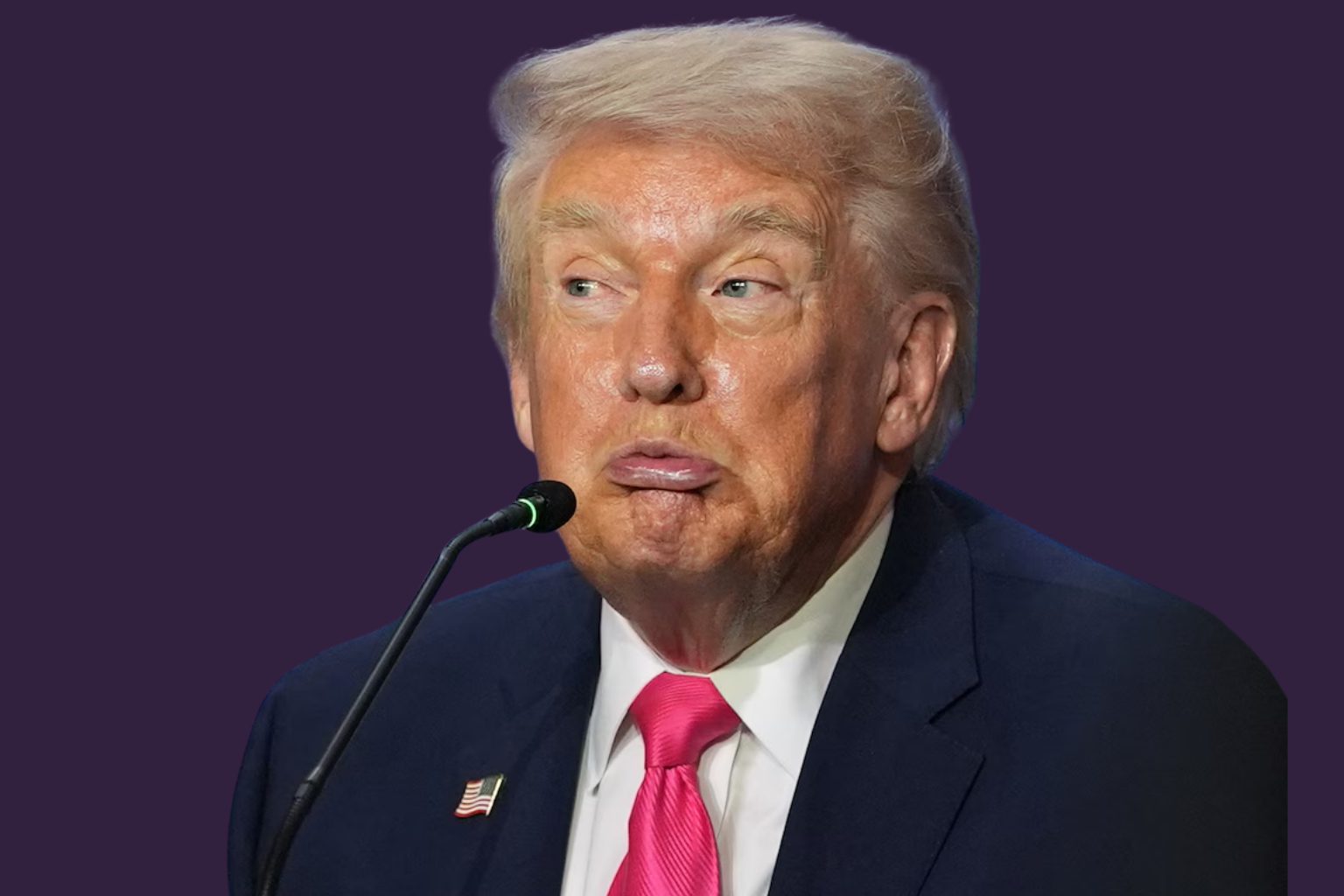
Relations between the United States and Cuba appear to be entering one of their most tense periods in years after Cuban officials warned that any military action against the island could lead to devastating consequences for both nations. The warning came as diplomatic tensions continue to rise following a series of statements and policy moves linked to President Donald Trump’s administration.
Lianys Torres Rivera, Cuba’s top diplomat, said Havana is preparing itself defensively amid growing concerns that the United States could consider stronger action against the Communist-led nation. Speaking during an interview released Friday, Torres Rivera described the current situation between Washington and Havana as one of the most difficult moments in modern bilateral relations.
According to the Cuban diplomat, the government has recently increased defense preparations, but she stressed that Cuba does not want conflict with the United States or the American people. She said the country’s focus is strictly on self-defense and protecting its sovereignty if tensions continue to worsen.
Torres Rivera warned that any invasion attempt would be “a big mistake” and could result in severe human casualties. She said Cuba does not pose a threat to the United States and insisted that military escalation would harm both Cubans and American soldiers alike. Her comments reflected deep concern inside Havana as political rhetoric between the two countries becomes increasingly aggressive.
The remarks arrived shortly after CIA Director John Ratcliffe visited Cuba on Thursday. Reports indicated that it was the first U.S. government flight to land in Cuba outside of the Guantanamo Bay Naval Base since 2016. The visit signaled a major development in U.S.-Cuba relations during a period already marked by economic pressure and political disagreements.
The CIA later confirmed that Ratcliffe delivered a message from President Trump stating that the United States is willing to engage seriously with Cuba on economic and security matters, but only if the Cuban government agrees to major political and structural changes. The message highlighted Washington’s continued pressure campaign against Havana while leaving the door open for negotiations under specific conditions.
At the same time, Cuba is dealing with worsening economic problems. The country’s energy minister recently announced that fuel supplies had been completely exhausted, adding further pressure on the island’s struggling economy. Cuban officials have repeatedly blamed long-standing U.S. sanctions and restrictions for deepening the crisis.
The U.S. State Department also announced plans to provide Cuba with $100 million in humanitarian assistance. Secretary of State Marco Rubio said the aid would be distributed through independent non-governmental organizations, including the Catholic Church, rather than directly through the Cuban government. Rubio accused Cuban authorities of misleading the public by claiming they never received such an offer from the United States.
Rubio defended the administration’s position by arguing that Cuba’s current political and economic system has failed to deliver prosperity for its citizens. He said the United States hopes Cuba can eventually move toward a more stable and prosperous future, though he criticized the country’s current leadership as resistant to change.
Despite the rising pressure from Washington, Torres Rivera said Cuba’s independence remains non-negotiable. She stated clearly that national sovereignty is the one issue Havana will never compromise on during any future discussions with the United States.
Tensions between the two countries have intensified steadily since earlier this year. Talks reportedly began after President Trump suggested the possibility of a “friendly takeover” of Cuba in February. In later public remarks, Trump claimed the United States could potentially “take” Cuba because the island nation is currently weakened economically and politically.
The situation became even more complicated after the Trump administration moved to cut Cuba off from Venezuelan oil supplies following a major U.S. military operation involving Venezuelan leader Nicolás Maduro and his wife. Trump also threatened additional tariffs on countries that continue supplying oil to Cuba, arguing that such measures are necessary for U.S. national security and foreign policy interests.
Political analysts say the latest developments show how fragile relations between Washington and Havana have become. While both governments continue sending strong public messages, concerns are growing internationally that further escalation could create instability throughout the region.
For now, Cuban officials insist they are preparing only for defense while continuing to reject any possibility of surrendering the country’s independence. Meanwhile, the Trump administration continues increasing pressure on Havana through diplomatic demands, economic measures, and public warnings, leaving the future of U.S.-Cuba relations highly uncertain.
Sources:
- U.S. Department of State
- Central Intelligence Agency (CIA)
- NBC News
- The Associated Press
- The Hill