New Jersey Vineyards Face Heavy Losses After Rare Spring Freeze Damages Grape Crops
New Jersey’s wine industry is dealing with one of its most difficult growing seasons in recent years after a powerful spring freeze severely damaged grape crops across many vineyards in the state. Winery owners and agricultural leaders say the cold weather event in late April caused major losses that could affect wine production not only next year, but possibly the 2027 season as well.
According to the Garden State Wine Growers Association, freezing temperatures overnight from April 20 into April 21 dropped into the 20s across large parts of New Jersey. The sudden cold arrived after several days of unusually warm weather, creating dangerous conditions for vineyards that had already begun early seasonal growth.
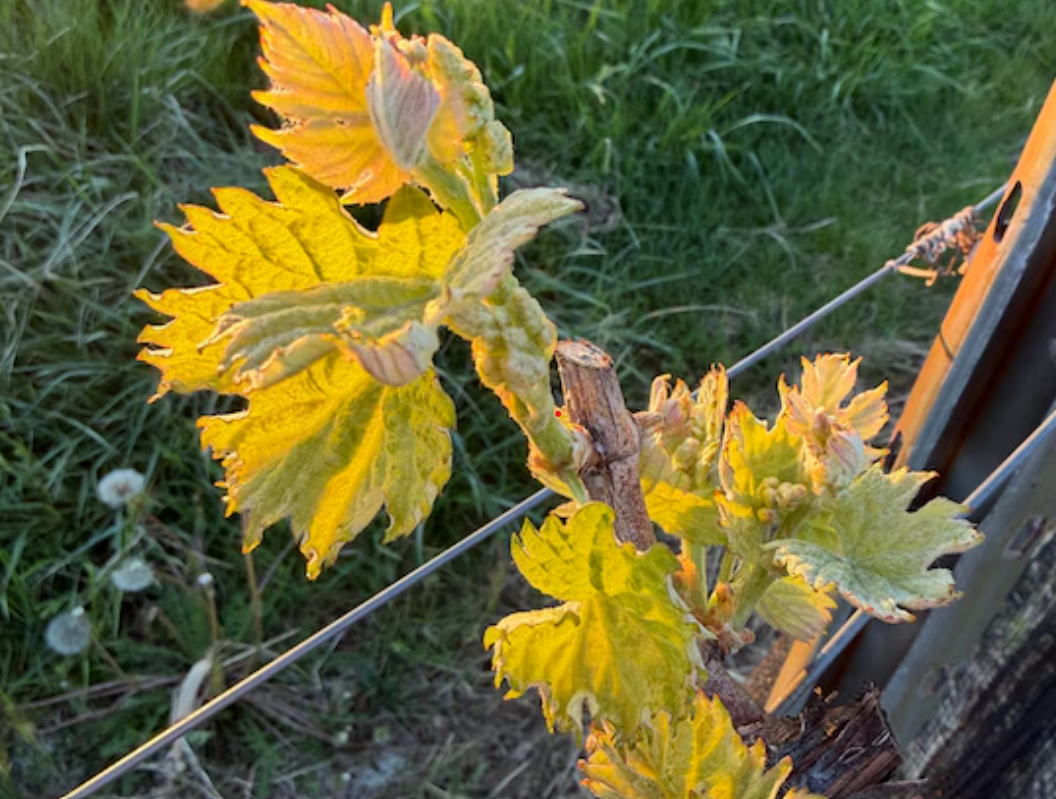
Many grape buds had started opening during the earlier heatwave, when temperatures climbed into the 80s and even low 90s in some areas. Once the cold air moved in, those vulnerable buds were exposed to freezing conditions that damaged or destroyed developing grape clusters.
Wine growers across the state are now reporting serious damage to both primary and secondary grape buds in several grape varieties. Industry leaders say the impact appears widespread, stretching from northern New Jersey down toward vineyards near Cape May.
A survey conducted among nearly three dozen wineries showed that some vineyards lost between 20% and 50% of their grape crops, while others suffered even greater losses. Five wineries reportedly lost their entire grape production because of the freeze. Several others estimated damage between 60% and 80%. Only a small number of vineyards escaped with little or no crop loss, mostly in areas where temperatures stayed above freezing.
Industry officials are calling the event one of the worst agricultural setbacks New Jersey wineries have experienced in decades. Dustin Tarpine, chairman of the Garden State Wine Growers Association, described the freeze as an extremely rare and damaging event for growers across the region.
Despite the crop losses, winery owners say consumers should not expect immediate wine shortages this year. Many vineyards currently have enough bottled wine inventory to continue sales through this summer, the holiday season, and in some cases well into next year.
The larger concern involves future wine production. White wines generally require about a year before reaching the market, while many red wines need aging periods of two to three years. Because of that timeline, damage to this year’s grape crop could reduce wine availability in future seasons rather than immediately.
William Heritage Winery in Mullica Hill is among the vineyards reporting substantial losses. The winery estimates damage between 40% and 60% after the freeze. Owners say white and rosé wine production may be especially affected next year because those wines rely more heavily on current-season grape harvests.
New Jersey’s wine industry has expanded significantly over the past several decades. What was once a small industry with only a handful of wineries in the early 1980s has grown into a major agricultural and tourism sector with more than 60 wineries operating statewide today. Because of that growth, the financial impact from the freeze is expected to reach beyond vineyards alone, affecting local tourism, seasonal events, restaurants, and agricultural workers connected to the wine business.
State agriculture leaders say the freeze represents one of the most serious challenges the industry has faced in modern history. Some winery representatives are now discussing possible state and federal assistance programs to help vineyards recover from the losses and protect future production.
The freeze also affected other agricultural businesses in New Jersey. Apple growers reported heavy damage as well. Hillcrest Orchard & Dairy Farm in Sussex County estimates it lost about 90% of its apple crop due to the late-April cold temperatures. Because of those losses, the farm announced it will not offer pick-your-own apple activities this year.
The widespread vineyard damage has already forced changes to planned industry events. Organizers canceled the “Sips, Stars & Stripes: A NJ Wine Revolution” event that had been scheduled for late May. Winery leaders said the cancellation was made so vineyard owners could focus on evaluating crop losses and planning recovery efforts.
Wine industry officials are encouraging residents and visitors to continue supporting local wineries during the difficult season. Vineyard owners say tasting rooms remain open and current wine supplies are still available for customers throughout New Jersey.
Sources:
Garden State Wine Growers Association
New Jersey Department of Agriculture
News 12 New Jersey