Constant Political Turbulence and Endless News Cycles Leave Many Americans Feeling Mentally Exhausted
Political uncertainty, nonstop headlines, and growing partisan divisions are taking a noticeable toll on the mental well-being of many Americans, according to psychologists, researchers, and political experts. As major national events continue to dominate news coverage, mental health professionals say a growing number of people are experiencing anxiety, stress, and emotional fatigue linked directly to politics and the daily flow of breaking news.
For many Americans, the day begins and ends with a stream of alarming updates. News about international conflicts, economic concerns, government disputes, political battles, and social tensions has become a constant presence in everyday life. Experts say that repeated exposure to these developments can create a cycle of worry that is difficult to escape.
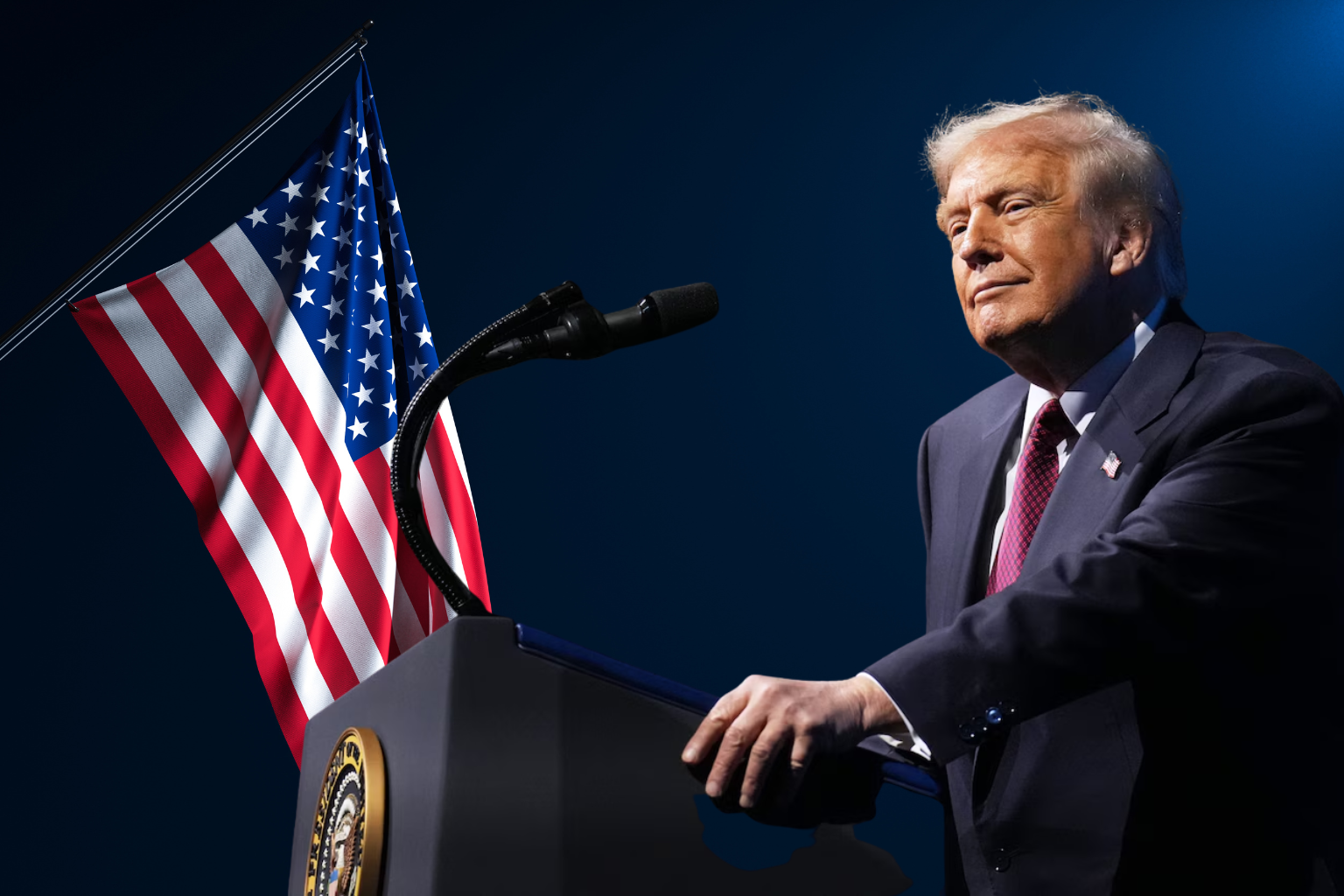
Clinical psychologist Andrea Bonior, who teaches at Georgetown University, said she has observed a steady increase in anxiety among patients since the beginning of Donald Trump’s first presidential term. According to Bonior, one of the major factors driving stress is the sense of unpredictability that many people associate with today’s political environment.
She explained that uncertainty has become a defining feature of political life for many Americans. Unlike periods when government operations and political developments felt more predictable, many people now feel unsure about what major headline may appear next or what significant change could occur unexpectedly. This constant anticipation of new developments can keep individuals mentally on edge.
Research suggests these concerns are widespread. Data from the American Psychological Association found that nearly two-thirds of Americans in 2025 considered U.S. politics a significant source of stress. Many respondents also expressed concerns about the future direction of the country, highlighting how political issues continue to affect everyday emotional well-being.
Additional survey findings indicate that optimism about the future remains relatively low. Fewer Americans report confidence that their quality of life will improve in the years ahead, while overall satisfaction with life has shown signs of decline compared with previous years. Researchers say these trends reflect broader concerns about economic conditions, political instability, and social divisions.
Experts believe politics now affects people more deeply because political identity has become increasingly connected to personal identity. Kevin B. Smith, a professor at the University of Nebraska-Lincoln who studies the relationship between politics and health, said political disagreements are often experienced as personal attacks rather than simple policy debates.
As a result, criticism of a political party or candidate can trigger strong emotional reactions. Surveys have shown that overwhelming majorities of both Democrats and Republicans hold negative views of the opposing party, demonstrating the depth of political polarization across the country.
Mental health specialists say unpredictability can be especially challenging for the human nervous system. People generally function better when they have a sense of stability and know what to expect. When uncertainty becomes constant, the body may remain in a heightened state of alertness for extended periods.
According to Bonior, prolonged uncertainty can keep individuals in a continuous state of stress. Rather than returning to a calm emotional baseline after a stressful event, many people remain mentally prepared for the next crisis or major development. Over time, this can contribute to anxiety, exhaustion, and emotional burnout.
Political stress is not limited to supporters of one political party. Experts note that Americans across the political spectrum are experiencing concerns about issues that directly affect their lives, including economic pressures, employment worries, inflation, and international conflicts. While concerns may differ from one group to another, anxiety related to politics is affecting a broad range of citizens.
Researchers also point to social media as a major contributor to political stress. Political science professor Katherine McCabe of Rutgers University said that economic concerns, increasing political polarization, and heavy social media use are combining to create a more stressful political environment.
Psychologist Natasha Wade of the University of California San Diego explained that people are naturally inclined to monitor potential threats in their environment. Social media platforms make it easy to repeatedly search for updates, creating a pattern often referred to as “doomscrolling.”
According to Wade, checking for new information can temporarily provide a feeling of relief or satisfaction. However, this behavior may quickly become repetitive, leading people to continually seek updates in an effort to reduce anxiety. Instead of providing lasting comfort, the cycle can increase stress and encourage even more scrolling.
Experts say modern technology has made political news nearly impossible to avoid. Smartphones provide constant access to breaking developments, social media debates, and real-time commentary. Unlike previous decades, when people could step away from political coverage more easily, many now encounter political content throughout the day.
Researchers warn that the consequences extend beyond temporary frustration or annoyance. Studies have linked political stress to sleep disruption, anxiety, depression, increased alcohol use, and other health concerns. Smith’s research found that a significant share of Americans have lost sleep because of politics, while a smaller but concerning percentage reported experiencing suicidal thoughts related to political issues.
Because of these findings, some researchers argue that political stress should be viewed as a serious public health concern. They warn that prolonged exposure to highly stressful political environments can affect both mental and physical health over time.
Political losses can also create emotional responses similar to grief, according to Christopher Ojeda, a political science professor at the University of California-Merced. When people strongly identify with political outcomes, unfavorable results may feel deeply personal and difficult to accept.
Ojeda noted that different emotions influence political participation in different ways. While anger may motivate people to become politically active, depression often has the opposite effect. Individuals experiencing depression are more likely to withdraw from political engagement and lose interest in public affairs altogether.
Recent polling suggests that many Americans are already taking steps to avoid political content. Large numbers report avoiding news stories related to national politics and former President Donald Trump, indicating a growing desire to reduce exposure to stressful political coverage.
Mental health and political experts say there are practical ways to reduce the emotional burden of politics. Limiting time spent consuming political news, turning off news notifications, and setting boundaries around social media use can help reduce stress levels. Experts also encourage constructive conversations with people who hold different political viewpoints, noting that personal interactions often reduce hostility and misunderstandings.
Some specialists recommend becoming involved in causes and issues that matter personally. They argue that active participation can help individuals feel more empowered and less overwhelmed by events that may otherwise seem beyond their control.
Despite growing concerns about political anxiety, some experts remain hopeful. They point out that the United States has experienced periods of intense political division before and has eventually moved beyond them. While current tensions remain significant, researchers believe the future does not have to mirror the challenges of the present.
For now, mental health professionals say recognizing the impact of political stress is an important first step. As political developments continue to shape national conversations, experts are encouraging Americans to protect their mental well-being while staying informed about the issues that matter to them.
Sources
- American Psychological Association (APA)
- Gallup
- Pew Research Center
- Associated Press-NORC Center for Public Affairs Research
- Georgetown University
- University of Nebraska-Lincoln
- Rutgers University
- University of California San Diego
- University of California-Merced