
America’s Most Enjoyable City Revealed as Miami Tops New Ranking for Entertainment and Everyday Experiences
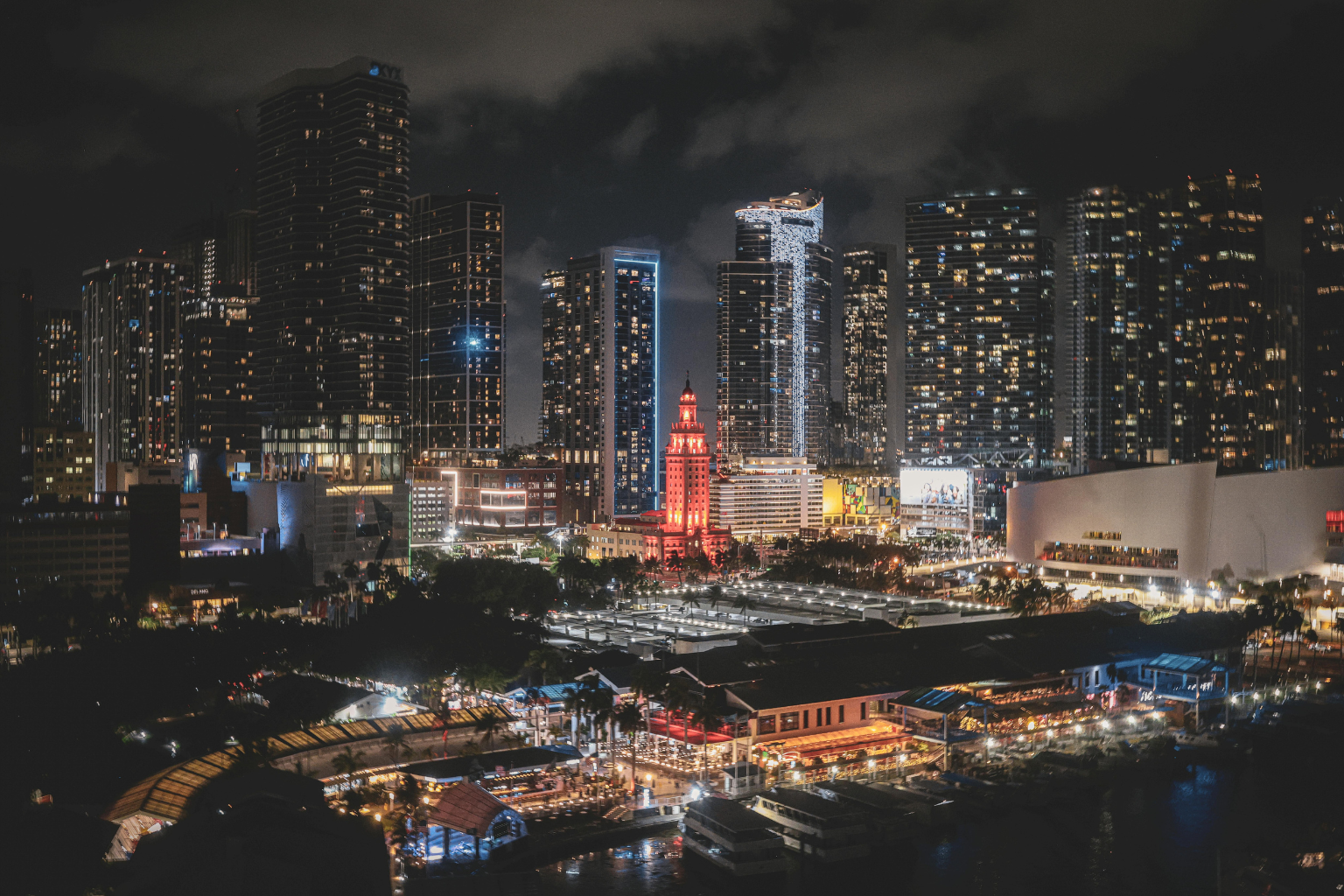
Miami has been named the most enjoyable city in the United States in a new nationwide study that measured how easy it is for people to enjoy dining, entertainment, shopping, and recreational activities in their daily lives. The Florida city claimed the top position after researchers compared the country’s 100 largest cities using several lifestyle and entertainment factors.
The study, conducted by StorageCafe, evaluated cities based on the availability of restaurants, entertainment venues, leisure-focused shopping destinations, and outdoor recreation opportunities. Instead of focusing only on famous tourist attractions, the research looked at how accessible fun is for both residents and visitors throughout the city.
According to the findings, Miami stood out because it offers an impressive mix of restaurants, bars, cultural attractions, shopping areas, and entertainment venues packed into a relatively compact area. Researchers noted that the city has experienced major growth over the past decade, transforming from a destination mainly recognised for its beaches and nightlife into a more diverse cultural and entertainment hub.
One of the biggest examples of that transformation is Miami’s Wynwood neighbourhood. Once known primarily as an industrial district, Wynwood has evolved into one of the city’s most popular destinations, featuring colourful street art, galleries, museums, live music venues, local businesses, and community events. The neighbourhood has managed to preserve its unique identity while welcoming new attractions that appeal to both locals and tourists.
The study also pointed to Miami’s population growth as another factor behind its expanding entertainment scene. As more people have moved to the city, investments in restaurants, cultural spaces, shopping districts, and recreational facilities have continued to grow, creating more options for people looking to spend their free time without travelling far from home.
Following Miami, Orlando secured the second spot in the rankings. The city continues to attract millions of visitors every year thanks to its world-famous theme parks, family attractions, and growing restaurant scene. While Orlando has long been known for tourism, the study suggests it also offers residents a wide variety of entertainment choices beyond its major attractions.
Las Vegas ranked third, maintaining its reputation as one of America’s leading entertainment destinations. Known for its casinos, live performances, luxury resorts, and nightlife, the Nevada city remains a popular place for visitors seeking around-the-clock entertainment.
Atlanta came in fourth place after earning strong scores for its dining options, music venues, shopping districts, and cultural attractions. Pittsburgh rounded out the top five, showing that a city does not need warm weather or famous beaches to provide an enjoyable lifestyle. Its museums, sports culture, restaurants, and neighbourhood attractions helped it earn high marks in the national ranking.
Researchers explained that their analysis went beyond counting large entertainment venues. Outdoor recreation also played an important role, including access to parks, walking areas, sports facilities, and recreational spaces that contribute to everyday quality of life. The study suggests that having enjoyable activities close to home can make a city feel more vibrant and connected.
The report also identified cities where entertainment options have not kept pace with rapid population growth. Port St Lucie, Florida, was highlighted as one example where the number of recreational and entertainment opportunities has struggled to match the city’s expanding population. Researchers referred to these communities as areas where residents may have fewer nearby options for dining, shopping, or leisure activities despite continued growth.
Real estate expert Marty Zankich said a truly enjoyable city is not necessarily the one with the biggest attractions or amusement parks. Instead, he believes the best cities encourage spontaneous experiences through everyday public spaces, local businesses, and community projects that make neighbourhoods feel more engaging.
He explained that simple improvements, such as turning unused public spaces into art displays or gathering places, can strengthen connections between residents and their communities while creating more opportunities for people to explore their surroundings.
The latest rankings reflect a broader shift in how Americans evaluate cities. While iconic landmarks and major attractions still matter, many people now value destinations where entertainment, dining, shopping, and outdoor recreation are easily accessible as part of everyday life. Cities that continue investing in walkable neighbourhoods, cultural experiences, and community-focused development may become even more attractive to both residents and newcomers in the years ahead.
Sources
- StorageCafe
- Chamberlin Real Estate School