
Backyard Dinner Takes an Unexpected Turn After a Single Bee Changes the Evening
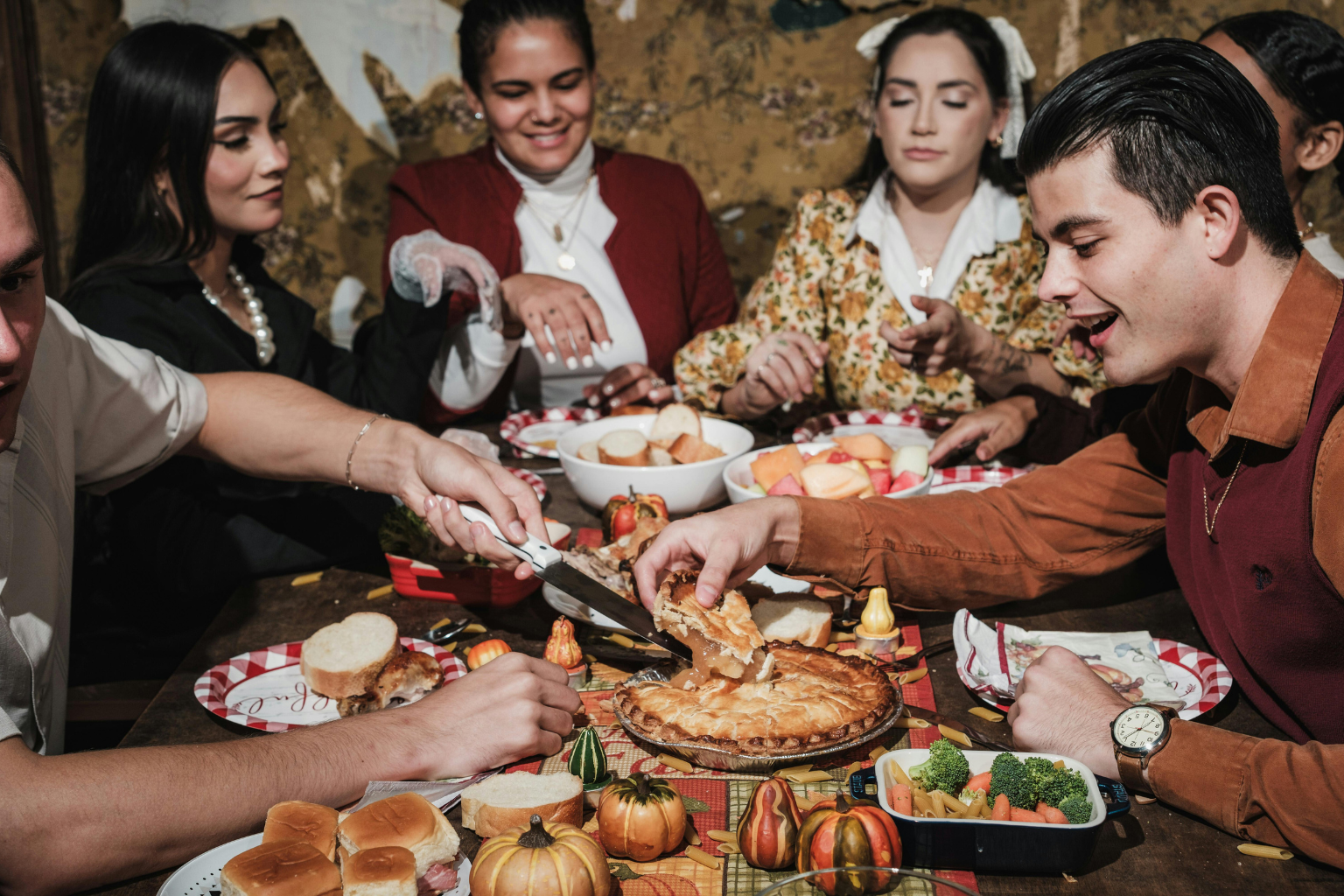
Hosting an outdoor dinner is often a perfect way to enjoy pleasant weather and spend quality time with friends. But sometimes, even a small and harmless interruption can quickly change the mood of an entire gathering. A recent etiquette discussion explores how one unexpected visitor—a single bumblebee—turned a peaceful backyard dinner into an awkward indoor meal, raising questions about how hosts should respond when a guest’s fears affect everyone else.
The situation began when a homeowner invited several friends to enjoy dinner in the backyard on a beautiful evening. The weather was ideal, with mild temperatures and a gentle breeze, making the outdoor setting the perfect place for a relaxed meal. As everyone settled in and the first course was served, a lone bumblebee briefly flew across the dining table before continuing on its way.
Although the bee did not linger or behave aggressively, one guest immediately became uncomfortable. She announced that there were bees outside, picked up her dinner plate, and walked into the house. Her husband quietly followed her without saying much. Before the host had time to respond or suggest another solution, the remaining guests also stood up, gathered their plates, and headed indoors. One guest remarked that it seemed everyone now had to continue the meal inside.
The unexpected move created a less comfortable dining experience. The host, who lives in a small home, had carefully planned the evening around outdoor dining because there was limited space inside. Once everyone relocated to the living room, guests had to balance their plates on their laps, making the remainder of the dinner feel crowded and far less enjoyable than originally planned.
According to the host, the guest who first left the table was someone they had known for many years. They also knew she did not have a bee allergy or any medical condition that would make the encounter dangerous. Later that evening, the guest’s husband explained that she had simply been having a difficult day, leaving the host wondering whether more could have been done or whether one person’s discomfort had unfairly disrupted the gathering for everyone else.
Seeking guidance, the host turned to etiquette expert Miss Manners for advice on whether a hostess should accommodate concerns that may not involve an actual safety risk. The question centred less on the bee itself and more on balancing kindness toward one guest while also considering the comfort and enjoyment of the rest of the group.
Miss Manners explained that assigning blame was not the most productive way to look at the situation. While the bee was the obvious cause of the initial disruption, the larger issue became how quickly the group’s actions followed one person’s decision. Once another guest chose to stand and move indoors, the remaining diners simply followed, creating a chain reaction that changed the entire evening.
Instead of focusing on fault, the etiquette advice emphasised practical ways a host might handle a similar situation in the future. If a guest genuinely feels uneasy outdoors, even without a medical reason, a host should acknowledge those feelings respectfully. One possible approach would be to accompany the concerned guest inside while reassuring everyone else that they are welcome to remain outdoors if they are comfortable. This gives each guest the opportunity to decide independently rather than feeling pressured to follow the crowd.
The guidance also noted that a host can check in on the indoor guest periodically while continuing to manage the outdoor gathering. Such an approach helps show compassion without unnecessarily ending the original event for everyone else.
The same etiquette column also addressed another social concern involving hospitality. A reader shared worries about inviting a very tall and heavily built friend to dinner because of fears that standard dining chairs might not safely support his size. The concern stemmed from witnessing a chair collapse beneath a guest years earlier, leaving a lasting impression.
Miss Manners advised that the most thoughtful solution would be to quietly provide a sturdier chair before the meal begins. By doing so discreetly and without drawing attention to the guest’s size, the host can ensure comfort while preserving the guest’s dignity. The response emphasised that someone who regularly encounters seating challenges is likely already aware of them and would appreciate considerate planning handled with sensitivity.
Both situations highlight a common lesson in modern etiquette: successful hosting is often less about following strict rules and more about responding thoughtfully to individual needs while keeping the overall comfort of the group in mind. Whether dealing with an unexpected insect during an outdoor dinner or ensuring every guest has a suitable seat, small acts of preparation and quiet consideration can help avoid awkward moments and create a more welcoming environment for everyone.
In social settings, unexpected situations are almost inevitable. How a host responds can make the difference between a minor interruption and a memorable act of hospitality. Remaining calm, offering practical options, and allowing guests to make their own choices without pressure can help preserve both the occasion and the relationships around the table.
Sources
- Miss Manners (Andrews McMeel Syndication)
- Miss Manners’ Official Website