
Arizona Woman Discovers Bobcat Family Living Inside Her Attic After Days of Strange Noises
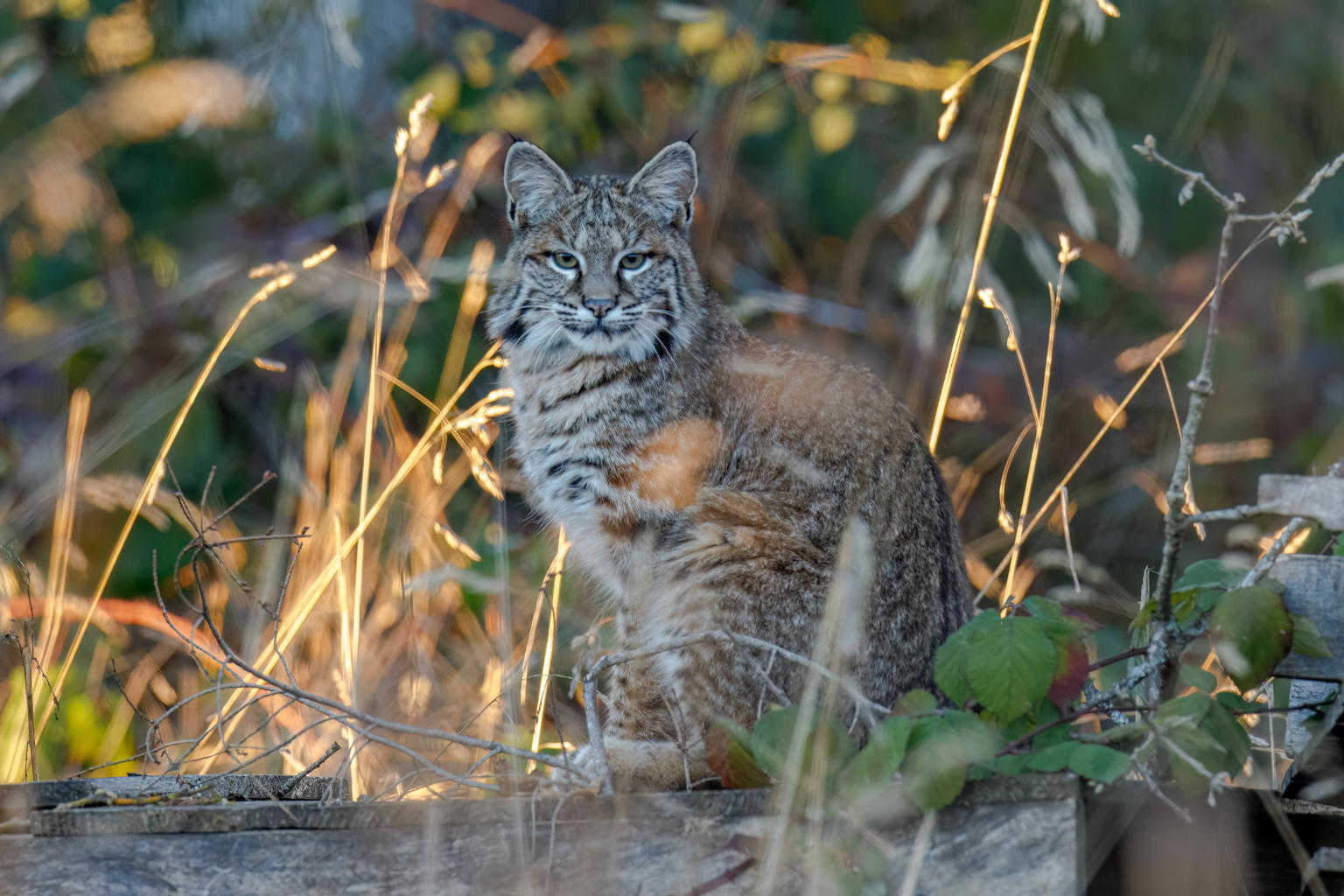
What started as a few unusual sounds inside a Scottsdale, Arizona, home turned into an unforgettable wildlife encounter when a homeowner discovered that a family of bobcats had been living in her attic.
For several days, the homeowner, identified only as Karen, noticed scratching noises, growling sounds, and heavy movement coming from above her ceiling. At first, she suspected the sounds could be caused by common household pests or other small animals. However, as the noises continued, she decided it was time to have her home inspected by a professional wildlife removal company.
The inspection revealed a surprising sight. Instead of finding rodents or raccoons, wildlife specialists discovered that a mother bobcat had chosen the attic as a safe place to raise her kittens. The attic had effectively become a temporary den for the wild cat and her young.
The unexpected discovery left the homeowner stunned.
Karen explained that while bobcats are occasionally seen in the surrounding neighbourhood, she never imagined one would move into her home. Seeing wildlife outdoors was something local residents were familiar with, but finding an entire bobcat family living overhead was beyond anything she expected.
Wildlife experts described the incident as one of the more unusual calls they have received. While removal teams often respond to reports involving squirrels, rats, birds, bats, or raccoons, encounters involving bobcats inside residential homes are far less common.
Rather than attempting to capture or physically remove the animals, wildlife professionals chose a humane approach that prioritised the safety of both the bobcats and the homeowners.
The team visited the attic regularly over several days, creating a consistent human presence around the den. By allowing the mother bobcat to repeatedly detect human activity through sight, sound, and scent, the space gradually became less attractive as a nesting location.
This method encouraged the mother bobcat to move her kittens to a new location on her own without causing unnecessary stress or placing the animals at risk. Wildlife specialists say this natural relocation strategy is often the safest option when dealing with protective wild animals caring for their young.
The successful outcome meant the bobcat family left the property without direct handling or confrontation, reducing the chance of injury for both people and wildlife.
Bobcats are native to Arizona and are found throughout much of the state, including areas where neighbourhoods border natural desert habitats. As residential development expands into wildlife territory, encounters between people and native animals have become more common.
Although bobcats generally avoid humans, they may seek sheltered spaces such as crawl spaces, sheds, or attics if they believe the location offers protection for raising their young. Wildlife experts advise homeowners who hear persistent scratching, movement, or animal sounds inside walls or attics not to investigate on their own.
Instead, professionals recommend contacting licensed wildlife specialists who can safely identify the animal and determine the most appropriate removal method. Attempting to corner or remove a wild animal without proper training can be dangerous, especially if young animals are present.
Experts also encourage homeowners to inspect their homes for possible entry points after an animal has been removed. Sealing gaps around roofs, vents, and attic openings can help prevent future wildlife from entering the property.
The Scottsdale incident serves as a reminder that even in suburban neighbourhoods, native wildlife can sometimes find unexpected places to shelter. While the discovery surprised the homeowner, the careful and humane response allowed the bobcat family to relocate safely while protecting both the animals and the residents.
Sources
People Magazine
Arizona Game and Fish Department
National Park Service (NPS)