
How Irish Dance Opened a New Window Into Parenting Life in New Jersey
Living in New Jersey for over a decade can give someone a strong sense of place, but for one parent, it was their child’s passion for Irish dance that truly brought the state to life in an unexpected way. What began as a simple childhood curiosity soon turned into a full family journey—one that blended culture, travel, discipline, and the realities of modern parenting.
The story started when a young girl developed an interest in Irish dance just before starting kindergarten. Inspired by online performances and a popular dance film, she became deeply fascinated. Her enthusiasm quickly grew from watching videos to practicing moves on her own at home. Recognizing her interest, her parent enrolled her in a local Irish dance camp. After just one day, it became clear this was more than a passing hobby—she wanted to continue learning.
That decision marked the beginning of a busy routine that took the family across multiple towns in New Jersey. From regular practice sessions in places like Verona, West Orange, and Fairfield to competitions held in different parts of the state, Irish dance became a central part of their lives. These competitions, known as “feis,” introduced not just performance but also structure, discipline, and a competitive environment.
Over time, the child performed in a variety of community settings, including churches, libraries, senior centers, and local venues. These events highlighted how deeply cultural traditions like Irish dance are woven into community life in New Jersey. The experience also exposed the parent to long-standing local traditions, such as participating in the West Orange St. Patrick’s Day Parade, which draws large crowds every year.
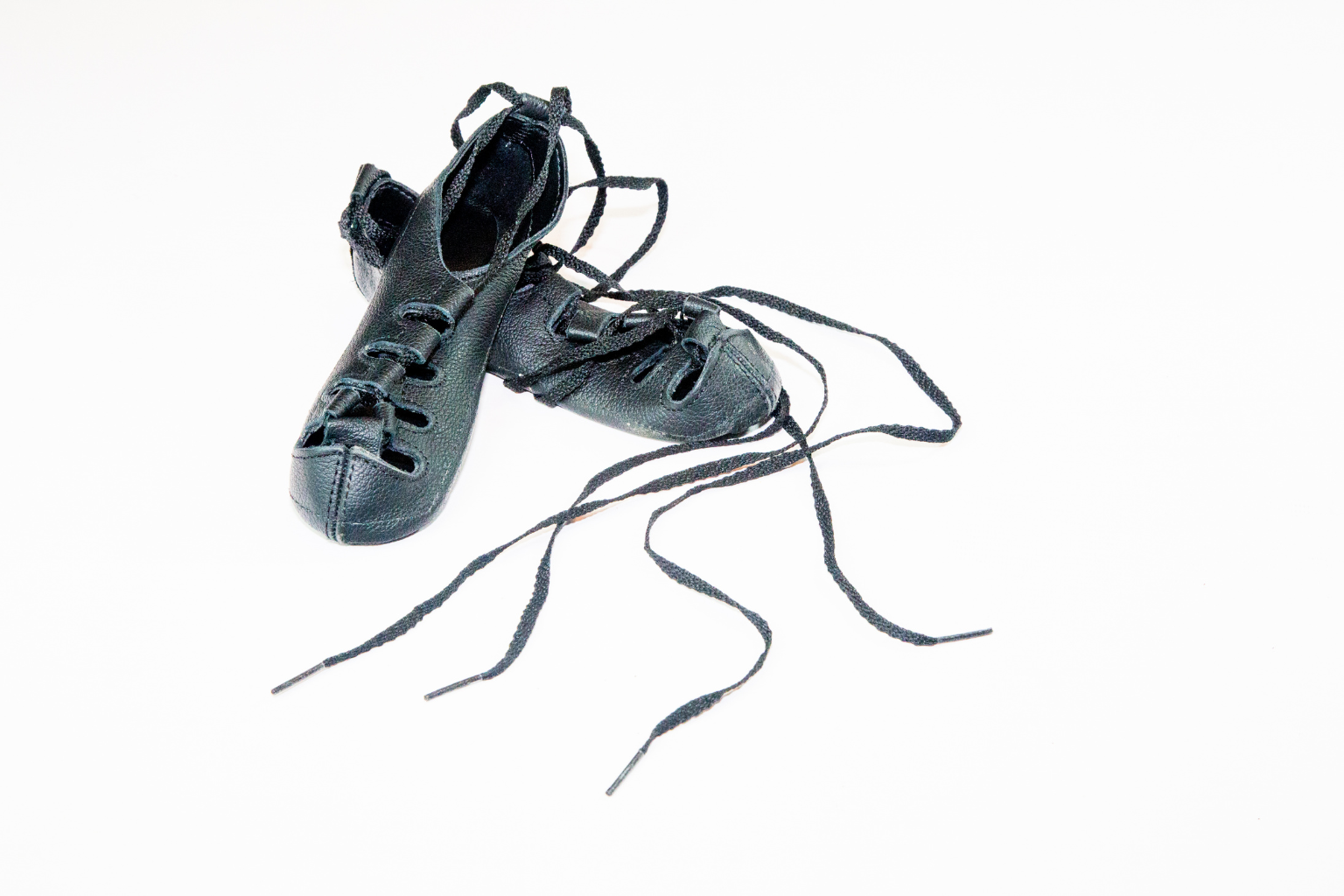
As the journey continued, it became more than just attending classes and performances. It involved traveling for costume fittings, attending professional dance shows, and learning the finer details of the craft. The parent became familiar with everything from specialized dance shoes to competition preparation, including appearance standards and performance routines.
Irish dance also introduced the family to a strong community network. Teachers, fellow parents, and young dancers formed a support system that helped guide newcomers through the process. Whether it was sharing advice, exchanging outgrown gear, or offering last-minute help during events, this sense of community became an essential part of the experience. It reinforced the idea that parenting, especially when supporting a child’s passion, often requires teamwork.
Like many youth activities, Irish dance brought both challenges and rewards. The schedule could be demanding, and the costs added up over time. Yet, the experience offered something deeper—an opportunity to explore different parts of New Jersey while watching a child grow in confidence and skill.
The physical and mental demands of Irish dance were also significant. The child learned complex routines, practiced precise footwork, and built endurance through various dance styles. These included traditional forms that required both technique and stamina. The dedication needed to master these skills was comparable to that of other competitive sports.
A major milestone came when the young dancer participated in a regional competition held in Philadelphia. It was her first time performing on a large stage, and the preparation involved early mornings, nerves, and intense focus. She delivered a performance that made her proud, even though the final results did not meet her expectations.
The disappointment was real, and the emotional impact was felt during the journey home. However, what stood out most was her resilience. Within hours, she returned to her routine with renewed energy, showing the kind of determination that such experiences can build in children.
This journey through Irish dance ultimately became more than just a hobby. It provided a unique lens through which the parent experienced both New Jersey and the realities of raising a child. It highlighted the balance between effort and enjoyment, the importance of community support, and the value of encouraging a child’s passion—even when the path is challenging.
In the end, the experience reflects a broader truth about parenting today. Whether it’s sports, arts, or any other interest, supporting a child’s passion often leads families into new environments, teaches valuable life lessons, and creates lasting memories that go far beyond the activity itself.