
Why More Americans Are Choosing Smaller Homes in 2026 as Housing Costs Continue to Rise
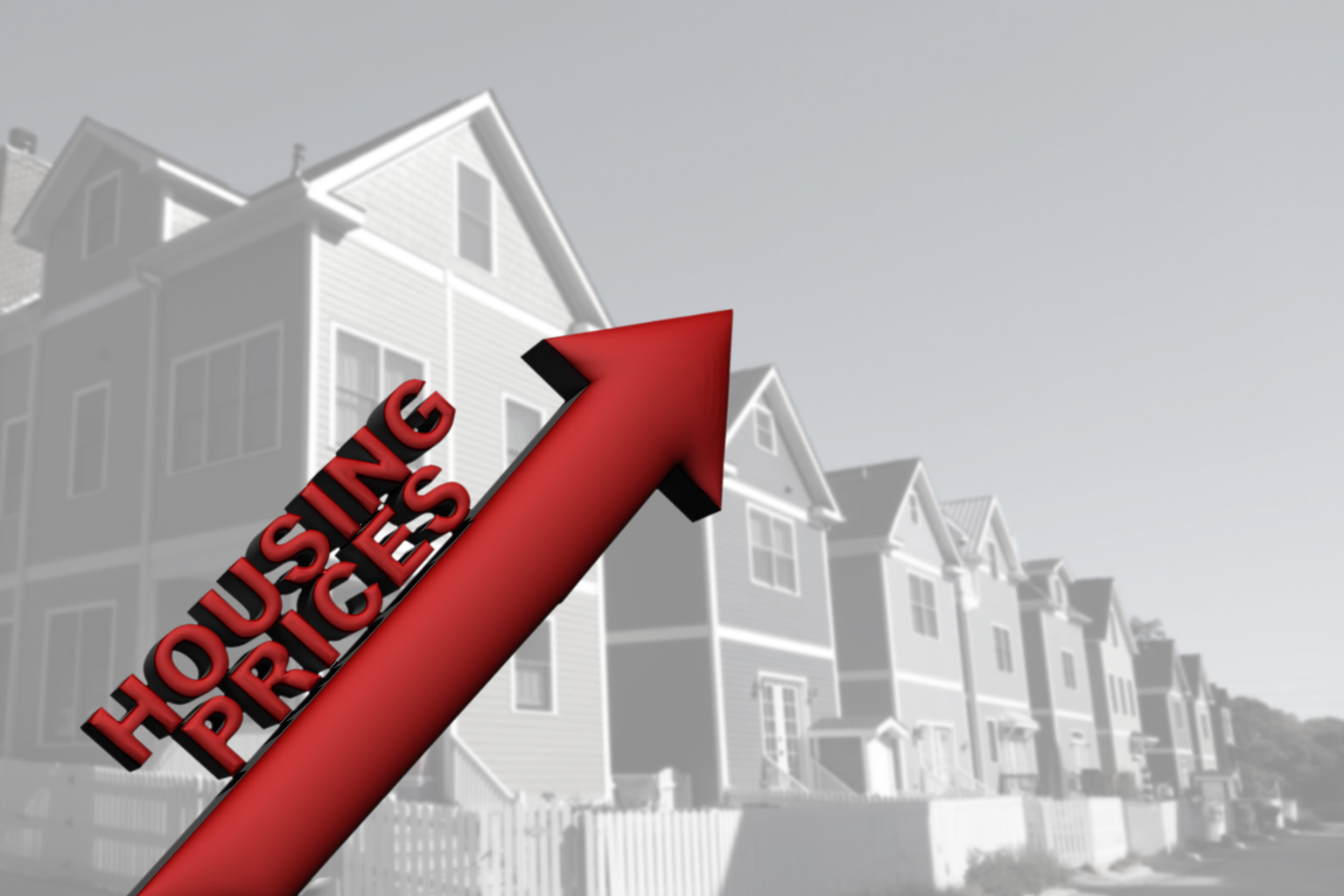
Across the United States, more homebuyers are shifting toward smaller homes as rising housing prices, higher mortgage rates, and increasing living costs continue to reshape the real estate market in 2026. What was once considered a temporary adjustment is now becoming a long-term trend in many states, especially among first-time buyers, young families, and even retirees looking to reduce expenses.
Real estate agents and housing analysts say many Americans are no longer focusing on buying the biggest possible property. Instead, buyers are prioritizing affordability, lower utility bills, manageable mortgage payments, and homes that require less maintenance. Smaller single-family homes, compact townhouses, and modern condos are seeing growing demand in both suburban and urban markets.
The trend comes as home affordability remains one of the biggest financial challenges for Americans. Mortgage rates have stayed higher than many buyers expected over the past year, while home prices in several major cities continue to remain elevated despite slower market activity. For many households, purchasing a smaller home has become one of the few realistic ways to enter the housing market.
Real estate professionals say buyers are now thinking more carefully about monthly costs instead of just square footage. Higher property taxes, insurance costs, energy bills, and maintenance expenses have made large homes more expensive to own than before. As a result, many families are choosing practical homes that better fit their budgets and long-term financial goals.
The shift is especially visible among younger buyers. Many millennials and first-time homeowners are looking for properties that allow them to build equity without taking on overwhelming debt. Instead of waiting years to afford a larger house, buyers are increasingly purchasing smaller starter homes in growing suburban communities.
Developers are also responding to the demand by building more compact housing communities with modern layouts and shared amenities. In several fast-growing states, builders are focusing on smaller but more efficient homes designed to maximize living space while keeping prices relatively affordable. Open floor plans, flexible office spaces, and energy-efficient designs are becoming more important to buyers than oversized rooms or large backyards.
At the same time, downsizing has also become popular among older Americans. Many retirees are selling larger homes they no longer need and moving into smaller properties that are easier to maintain. This has created additional demand for smaller homes in retirement-friendly states and suburban areas.
Housing experts say the trend may continue well beyond 2026 because affordability challenges are unlikely to disappear quickly. Construction costs, land prices, and borrowing costs remain high in many regions, limiting how much home prices can realistically fall. Even if mortgage rates decline slightly in the future, many buyers are expected to continue prioritizing financial flexibility over larger living spaces.
The growing popularity of remote and hybrid work has also influenced buying decisions. Some buyers are moving farther away from expensive downtown areas and purchasing smaller homes in suburban or secondary markets where prices are lower. In many cases, buyers are willing to trade extra square footage for lower monthly costs and a better overall quality of life.
Real estate agents say smaller homes are also becoming more attractive because they often sell faster and hold steady demand during uncertain economic conditions. Buyers view these properties as safer investments since they are usually more affordable for future purchasers as well.
The changing housing market reflects a broader shift in how Americans think about homeownership. While large homes once symbolized financial success for many families, today’s buyers are placing greater value on affordability, flexibility, and long-term financial stability.
As the U.S. housing market continues adjusting to economic pressures, smaller homes are expected to remain one of the strongest trends shaping real estate in the coming years.