
New April Comet Could Light Up New Jersey Skies If Conditions Align
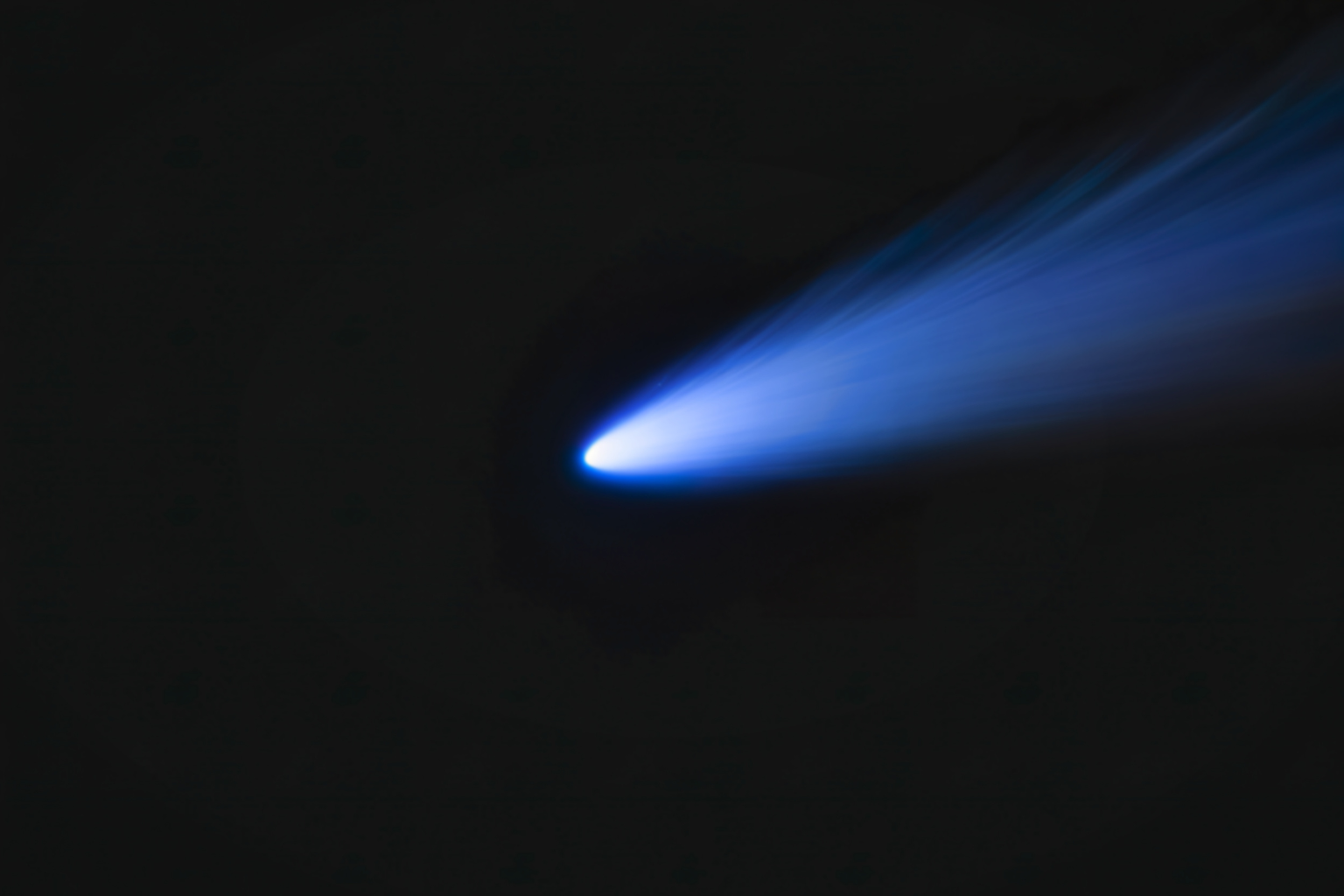
Skywatchers in New Jersey may have a rare opportunity to witness a newly discovered comet streaking across the evening sky in early April, as astronomers closely monitor what is being described as a “sungrazer” comet.
This celestial object, officially named Comet C/2026 A1 MAPS, was first identified in January 2026 by a group of astronomers working at an observatory in northern Chile. Despite its relatively small size—estimated at about a quarter-mile wide—the comet has drawn significant attention due to its unusual path and potential visibility from Earth.
Experts explain that the comet is expected to pass at a distance of approximately 89 million miles from Earth, which places it safely far from any threat to the planet. However, what makes this object unique is its extremely close approach to the sun. At its nearest point, it is projected to come within less than a million miles of the sun’s surface. In astronomical terms, this is considered very close, which is why it is classified as a “sungrazer.”
Comets are made up of frozen gases, dust, and rocky material that travel through space in elongated orbits around the sun. As they approach the sun, heat causes their icy components to vaporize, often creating a glowing tail that can sometimes be seen from Earth. This process is what could make the current comet visible to the naked eye if conditions remain favorable.
Astronomers say there is still some uncertainty about exactly when the comet will be most visible. Early estimates suggest it could begin appearing as soon as April 4 or April 5. However, other projections indicate that the best viewing window may fall between April 6 and April 10. The timing largely depends on how the comet behaves as it approaches the sun, particularly whether it remains intact or breaks apart due to intense solar heat.
For those hoping to catch a glimpse, experts recommend looking toward the southwest sky shortly after sunset. The key is to wait until the sun has fully dipped below the horizon, as this improves visibility while also reducing risk.
Safety remains a major concern when observing objects near the sun. Astronomy experts strongly warn against attempting to view the comet while the sun is still above the horizon. Looking in that direction without proper precautions can cause serious and permanent eye damage. Even the use of binoculars or telescopes can be dangerous if not handled correctly, especially when pointed near the sun.
Specialists emphasize that only experienced observers should attempt to track objects close to the sun, and even then, extreme care must be taken. For the general public, the safest approach is to wait until the sky is dark enough and the sun is completely out of view before attempting to locate the comet.
If the comet survives its close encounter with the sun, it could become brighter and more visible over several evenings, offering a potentially striking display for those watching from New Jersey and nearby regions. However, as with many astronomical events, visibility will depend on factors such as weather conditions, light pollution, and the comet’s structural stability.
While there is no guarantee of a dramatic show, the possibility of seeing a sungrazing comet with the naked eye has generated excitement among both amateur stargazers and astronomy experts. Observers are encouraged to stay updated on visibility forecasts and to follow safety guidance when attempting to view the event.
Sources:
New York Post
EarthSky
StarWalk
Fox Weather