New Jersey Senior Tax Relief Program Faces Uncertainty as Governor Mikie Sherrill Prepares First State Budget

As Governor Mikie Sherrill drafts her first state budget, New Jersey’s financial assistance to seniors may be questionable. Stay NJ, a senior property tax relief program, is a hot topic as lawmakers and officials examine the state’s financial goals for the year.
Governor Sherrill addressed financial issues and spending obligations at a Trenton Statehouse news conference. Her government is beginning budget planning, which frequently requires tough decisions about which programs to keep, grow, or delay. Stay NJ’s future and whether it will proceed are being discussed.
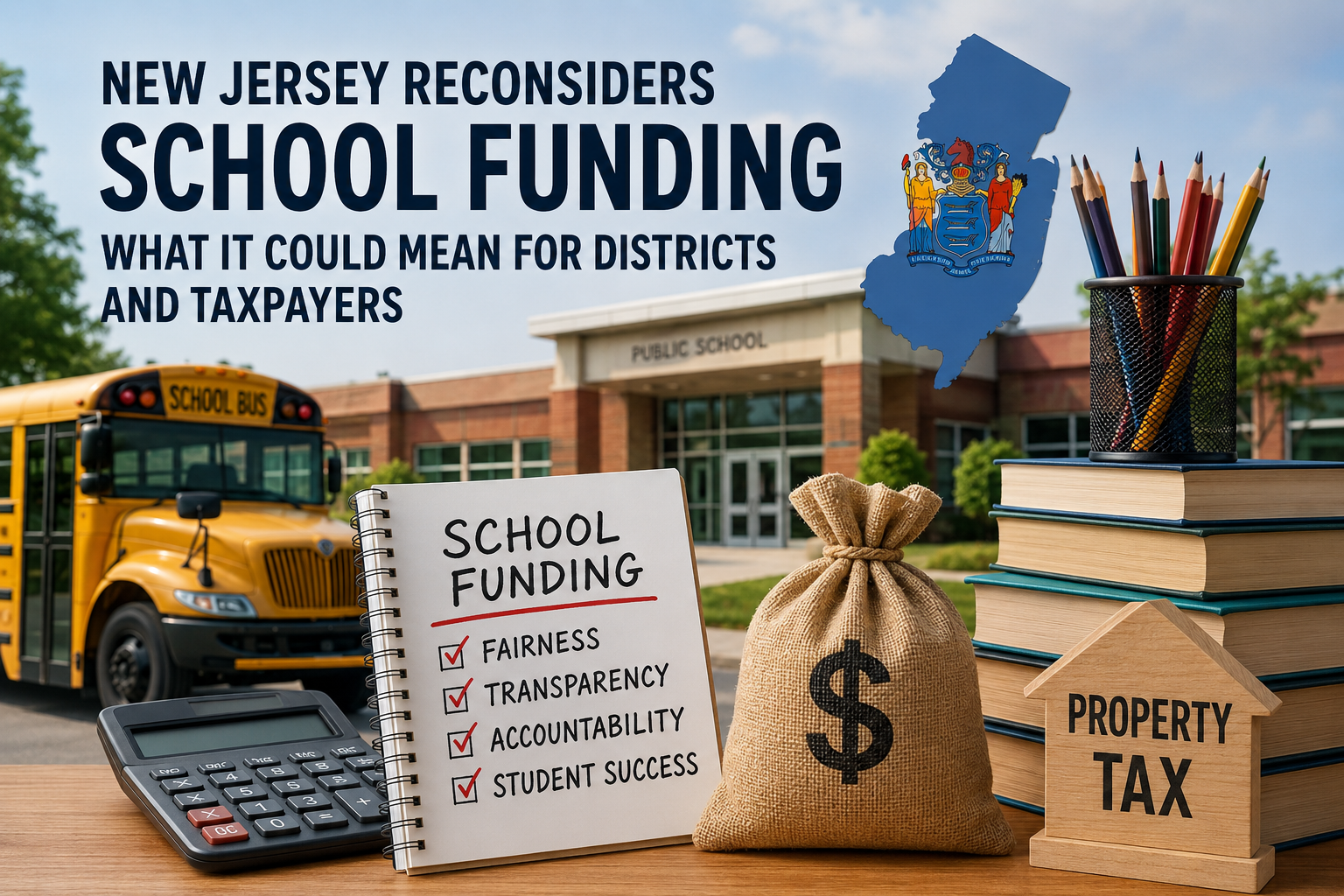
Many senior citizens consider the Stay NJ program vital property tax relief. Property taxes in New Jersey are among the highest in the nation, straining homeowners, especially retirees on fixed incomes. To help elders stay in their homes by minimizing their growing tax load, the initiative was created. It immediately became one of the state’s most highly observed affordability measures due to that purpose.
With a new administration, the state’s finances are under closer examination. New Jersey budget planning must consider education, transportation, healthcare, and other public services. The Sherrill administration is assessing whether current commitments can be met with available revenue as it crafts its first financial plan.
Governor Sherrill has stated that her government will prioritize budgetary restraint in budgeting. She has stressed the need of resident support services but also the need to properly examine long-term expenditures. Questions are developing regarding how Stay NJ will be supported and if it will need revisions before implementation.
The program debate echoes political discussions that commonly begin a new governor’s term. Policy changes, especially financial ones, are common under new administrations. As the budget proposal develops, lawmakers from both parties are watching how the Sherrill administration handles these obligations.
Stay NJ advocates say seniors need property tax relief to stay in their hometowns. Without real aid, growing housing costs may force some seniors to move or downsize, even if they wish to stay. Many locals see the initiative as a sign that the state understands senior homeowners’ financial struggles.
State authorities must also consider budget stability. Large tax relief schemes need sustainable funding, so officials assess them against other public investment objectives. Thus, budget debates can center on programs like Stay NJ, especially when economic conditions or revenue estimates shift.
Governor Sherrill’s budget proposal may reveal her administration’s approach to the issue. The state legislature will evaluate and discuss the plan after its release. Before approving a spending plan, hearings, negotiations, and revisions are common.
The future of senior tax assistance is dubious. While lawmakers and residents continue to focus on Stay NJ, its final form will depend on the state’s budgetary strategy in the coming months. Decisions made during the Sherrill administration’s first budget will affect New Jersey’s fiscal policy and how firmly the state supports senior property tax reduction.
The topic also emphasizes state governments’ delicate balancing. Leaders must meet residents’ needs while maintaining budget promises. Stay NJ will undoubtedly remain at the forefront of policy discussions in New Jersey, where property taxes and affordability dominate politics.
Residents, lawmakers, and policy experts will closely monitor the budget process. Governor Sherrill and the state legislature will decide whether the proposed tax relief scheme is implemented, altered, or delayed as part of New Jersey’s financial management strategy.
Sources
New Jersey State Government
Office of the Governor of New Jersey
New Jersey Legislature
State of New Jersey Official Government Communications