New Jersey at Center of National Storm as Trump Faces Epstein Claims and ICE Legal Battle Intensifies
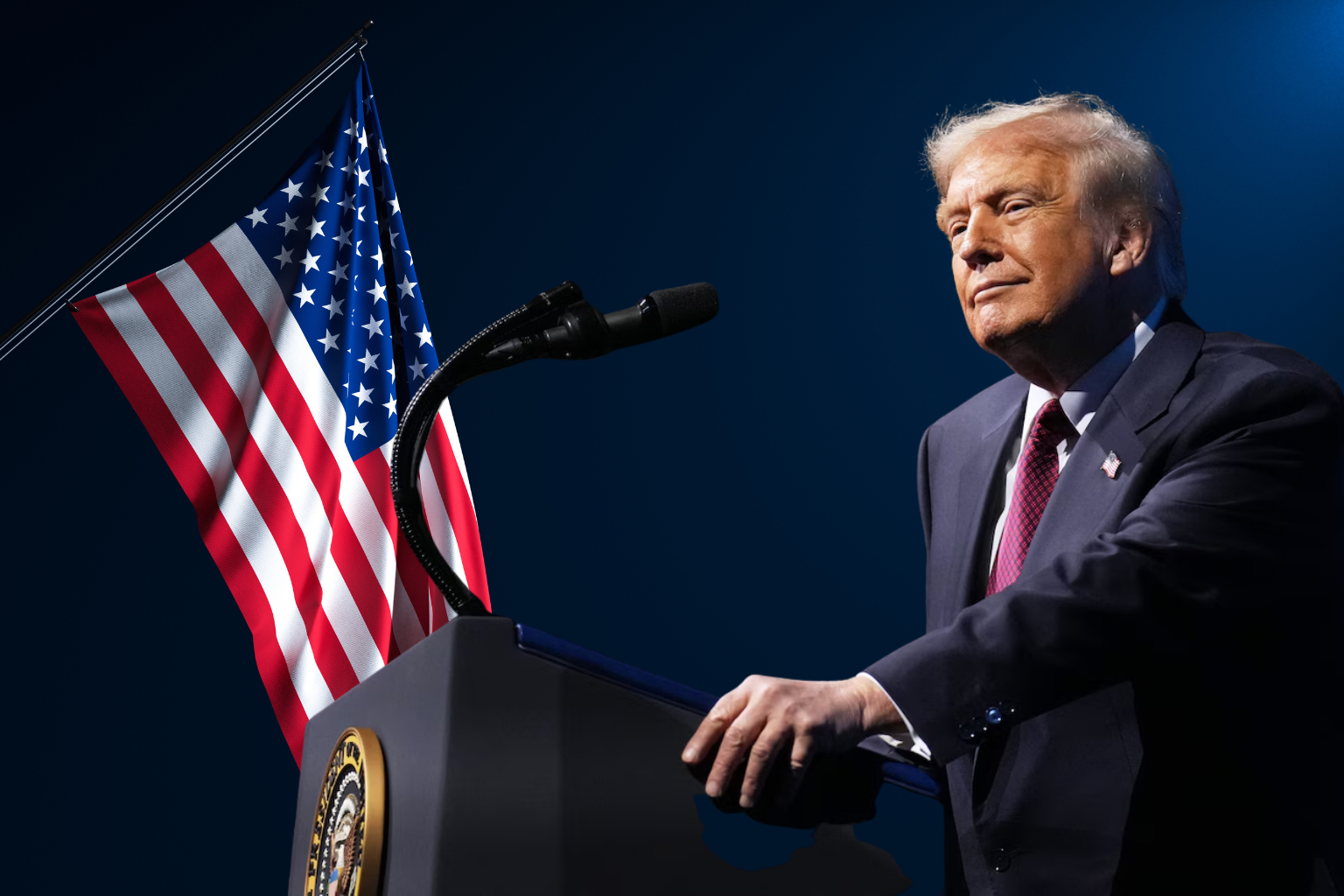
In his recent State of the Union address, President Donald Trump touted a robust economy and firm foreign policy. Political celebrations were scarce outside the chamber. Renewed accusations against convicted sex offender Jeffrey Epstein, tariff issues, Iran discussion, and a mounting judicial battle over immigration enforcement have made this a stormy political week, with New Jersey as a critical battleground.
The speech emphasized economic success. Trump claimed that Americans are better off than they think and praised his administration’s achievements. Inflation, cost of living, and long-term financial security continue to worry voters, according to public polling. Political watchers say Virginia and New Jersey races are keenly studied for voter sentiment leading into the next national round.
Trade policy became sensitive again. President Trump blasted the Supreme Court for overturning some of his tariffs during his address. Tariffs were meant to defend American industries, but critics say they impeded growth and raised company and consumer costs. Some Republicans did not applaud this part of the speech, indicating party divides. Respect for the Court’s authority, especially among conservative justices, may have tempered reaction.
Foreign policies heightened uncertainty. The administration’s Iran tensions case is still disputed. Americans dislike Iran’s government, but civilian support for war is unclear. The president earlier asserted that Iran’s nuclear capabilities had been badly harmed, prompting critics to doubt further escalation.
Democrats countered. Newly elected Virginia Governor Abigail Spanberger condemned risky trade practices, saying tariffs had boosted American family prices. Her national security background boosts her credibility, say supporters. Critics say voters may be wary of economic lectures from a governor only weeks in office. The exchange illustrates the national economic messaging split.
Outside the Capitol, activists held a “People’s State of the Union.” Progressive organizations, lawmakers who boycotted the speech, and immigrants, government employees, and Epstein survivors attended the event. Organizers said the protest amplified ignored voices. Skeptics questioned if such events broaden political audiences.
Epstein controversy resurfaced. Trump did not name Epstein in his address, but charges emerged in federal investigators’ filings. Public reporting states that one person claimed abuse but declined to cooperate with police. After Republican Representative Thomas Massie attacked the Department of Justice and FBI for lack of transparency in related investigations, the issue sparked considerable controversy. A witness declined FBI interviews during Trump’s first term, according to public communications. The scenario presents legal and political questions, although no additional charges have been announced.
In New Jersey, a huge federal-state conflict is underway. Governor Mikie Sherrill issued an executive order restricting ICE entry into nonpublic state property without a warrant. The U.S. Department of Justice sued, claiming the order violates federal power. According to the DOJ, federal agencies like ICE must be permitted to operate without state interference. Governor supporters argue the policy safeguards civil liberties. Opponents say it impedes federal law enforcement.
Democratic politicians in New Jersey are pushing legislation to allow locals to sue federal immigration police for unlawful activities, adding to the tension. This legislation, dubbed as the “F— ICE Act,” has aroused significant reactions owing to its substance and name. Supporters call it civil rights protection. Critics say it weakens state-federal cooperation and diminishes political debate.
A proposed federal acquisition of a Roxbury Township warehouse for ICE custody is also part of the immigration discussion. Local politicians worried about infrastructure pressure and property tax consequences have criticized the $129 million transaction. Republican Congressman Tom Kean Jr. introduced legislation to provide federal subsidies to towns with new law enforcement facilities. However, some all-Republican Roxbury Council members were frustrated and expected tougher opposition to the idea.
These events demonstrate how national controversies are affecting New Jersey governance. Epstein allegations, economic conflicts, foreign policy questions, and direct legal action between the Department of Justice and the governor have put the state at the center of a political conflict.
As events unfold, voters may consider economic stability, immigration enforcement, transparency, and political authority. Political rhetoric or legal and electoral implications may emerge from these disagreements in the following months.
Sources
U.S. Department of Justice
U.S. Immigration and Customs Enforcement
Federal Bureau of Investigation
Office of the Governor of New Jersey