
Trump Rejects Claims of U.S. Missile Shortages, Promises Action Against Information Leaks
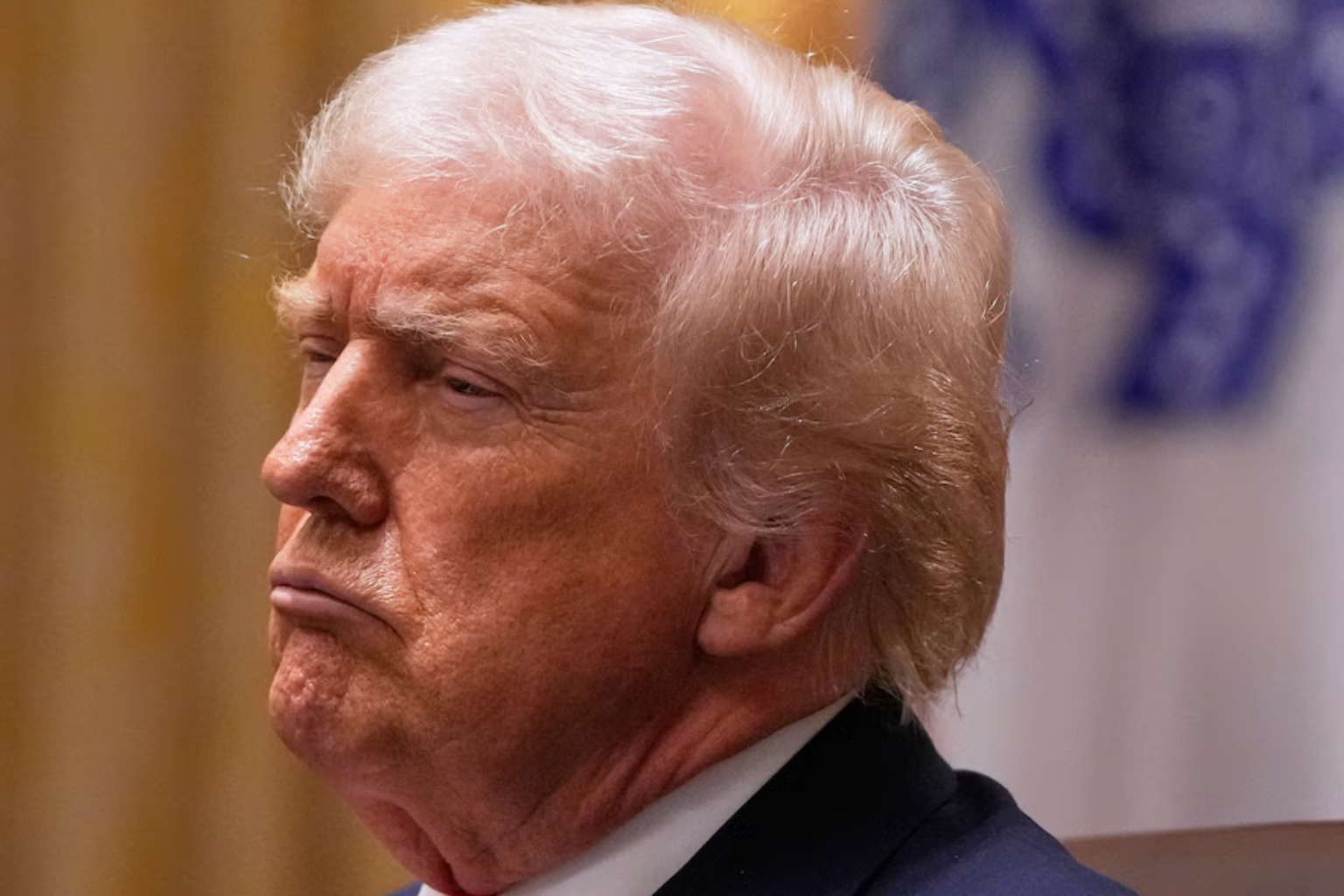
President Donald Trump has strongly rejected reports suggesting that the United States is running low on key military missiles after recent operations involving Iran. Calling the reports inaccurate, Trump defended the country’s military readiness and warned that officials responsible for leaking classified information could face serious legal consequences.
The latest controversy began after multiple media reports claimed that the U.S. military had used a significant portion of its long-range precision weapons during the conflict with Iran. According to those reports, concerns have been raised inside the defence community that current stockpiles may not be enough if another major military crisis develops in the near future.
Trump responded publicly through his Truth Social platform, insisting that the United States continues to have a strong supply of military munitions. He said the country has “massive amounts” of weapons available, particularly in important categories, while additional supplies are continuously being produced and delivered through America’s growing defence manufacturing network.
The president also criticised those responsible for sharing internal information with the media. He said his administration is actively searching for the individuals behind the leaks and warned that anyone found responsible could face lengthy prison sentences. Trump argued that unauthorised disclosures involving national security can weaken the country’s defence capabilities and should be treated as serious offences.
The dispute comes as questions continue to grow over the actual condition of U.S. military inventories following recent overseas operations.
Recent media reports claimed that the United States has used a large number of Precision Strike Missiles (PrSM), Army Tactical Missile Systems (ATACMS), and Tomahawk cruise missiles during military operations connected to the Iran conflict. Some reports also suggested that the military has consumed a substantial percentage of interceptor missiles used in advanced missile defence systems designed to protect American forces and allies from incoming threats.
Defence experts quoted in those reports warned that lower inventories could create challenges if the United States is forced to respond to another major international conflict before production fully replaces the weapons that have already been used.
While the exact numbers remain classified, the reports sparked widespread debate in Washington about whether the current pace of weapons production is sufficient to support long-term military readiness.
Adding to the political tension, another report claimed that Trump privately questioned Defence Secretary Pete Hegseth about the reported missile shortages during a Cabinet gathering at Camp David. According to that account, the president sought explanations about why he had not been fully informed regarding the condition of the nation’s weapons inventory.
However, the White House quickly denied that such a conversation ever took place.
White House Press Secretary Karoline Leavitt strongly dismissed the report, stating that she attended the Camp David meeting and that the alleged exchange between Trump and Hegseth never happened. She described the story as false and argued that it was circulated by individuals attempting to damage the defence secretary’s reputation.
Leavitt also emphasised that Trump continues to have full confidence in Hegseth’s leadership at the Pentagon and praised the ongoing work being done by the defence department.
At the same time, the Pentagon has announced new steps aimed at strengthening America’s missile production capacity.
Earlier this week, the Department of Defence confirmed framework agreements with major defence contractors Northrop Grumman and Lockheed Martin to expand manufacturing of critical missile defence components. Under the agreements, production of Patriot missile system components is expected to triple, while manufacturing for the Terminal High Altitude Area Defence (THAAD) system is planned to increase fourfold.
The expansion is part of broader efforts to ensure the United States can replenish military inventories while maintaining readiness for future security challenges.
Trump also highlighted these manufacturing efforts in his public comments, saying that defence companies are building new factories and expanding production across the country. He argued that the United States is investing heavily in strengthening its defence industrial base to support both current military needs and future national security requirements.
The debate over missile inventories comes at a time when global security concerns remain elevated. Ongoing conflicts in different regions have increased demand for advanced precision weapons, leading many governments to review their own defence production capabilities.
Military analysts note that modern conflicts often require large numbers of sophisticated missiles, making sustained manufacturing capacity just as important as existing stockpiles. As a result, many countries, including the United States, have been working to expand defence production in response to changing global threats.
For now, the administration maintains that the country’s military remains fully prepared despite the recent reports. Meanwhile, questions surrounding classified information leaks, defence readiness, and weapons production are expected to remain central topics in Washington as lawmakers continue to monitor U.S. military capabilities.
Sources
- U.S. Department of Defense
- The White House
- Reuters
- CNN
- The Washington Post