
Decades-Old New Jersey Cold Case Takes a Turn as Police Release New Facial Reconstruction
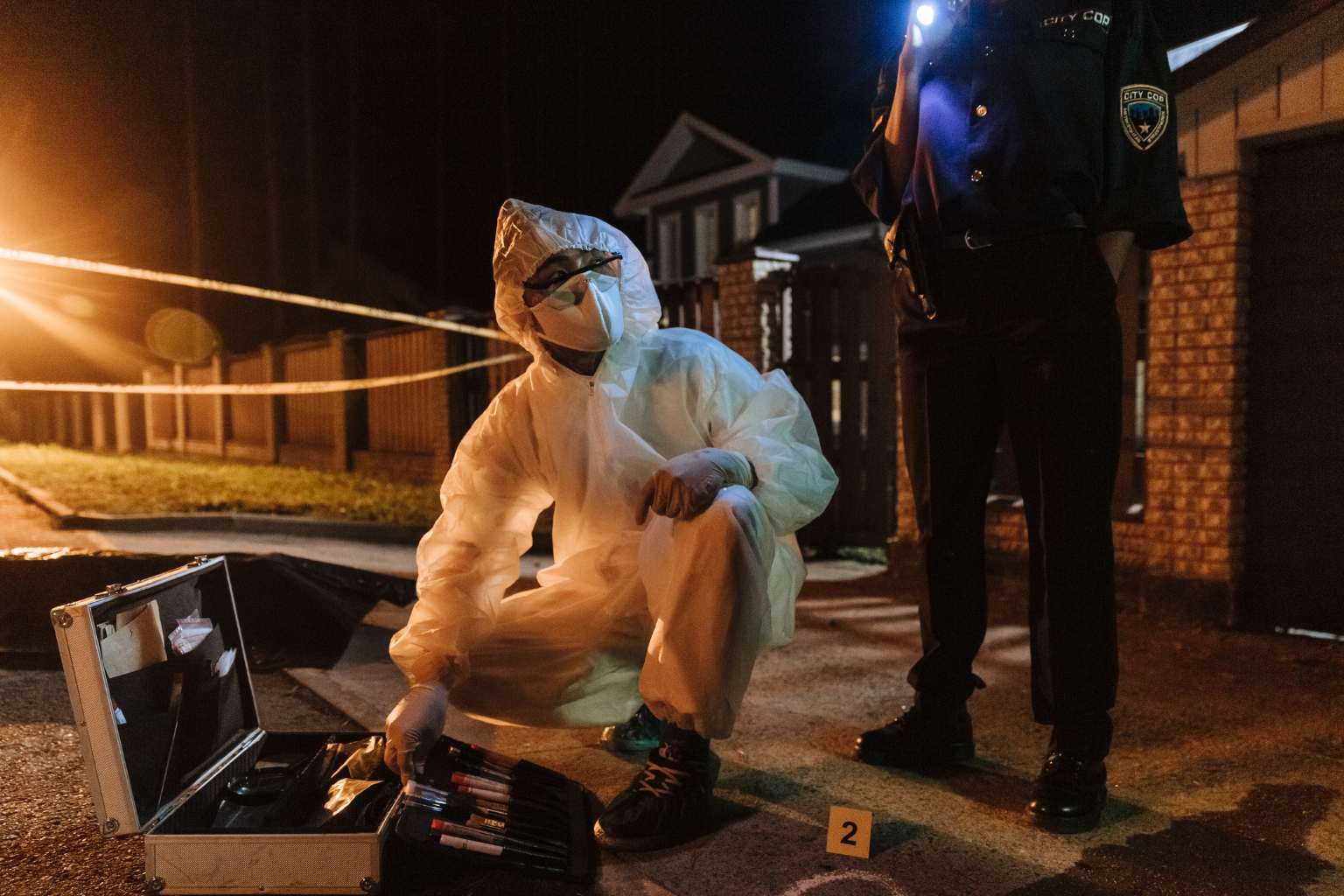
A mystery that has remained unsolved for more than four decades is receiving renewed attention after investigators in New Jersey released a newly created facial reconstruction of a man whose remains were discovered in Atlantic County in the early 1980s. Authorities hope the updated image will encourage someone to recognise the victim and provide the information needed to finally identify him.
The case dates back to May 14, 1982, when a commercial clammer was harvesting shellfish in a marsh near Golden Hammock Thorofare in Brigantine. Instead of collecting shellfish, the worker made a shocking discovery after uncovering human skeletal remains buried in the marshland. Law enforcement officers responded to the scene and began an investigation to determine the identity of the deceased and the circumstances surrounding his death.
Despite extensive investigative efforts over the years, the victim has never been identified. With no confirmed identity, detectives have faced significant challenges in learning what happened to the man or determining whether his death involved criminal activity. As a result, the case has remained one of New Jersey’s oldest unidentified human remains investigations.
Now, more than 44 years after the remains were found, investigators are using modern forensic technology to breathe new life into the case. A newly developed facial reconstruction provides an updated estimate of what the man may have looked like while he was alive. Officials believe the image could help trigger someone’s memory, especially among people who may have lived in or visited the Atlantic County area during the late 1970s or early 1980s.
Law enforcement agencies say advances in forensic science have made it possible to produce far more realistic facial approximations than were available when the investigation first began. These reconstructions are created by examining the victim’s skull and combining anatomical data with scientific methods to estimate facial features. While the image cannot guarantee an exact appearance, it often serves as a valuable investigative tool that can generate new leads.
Cold case investigators regularly rely on updated forensic methods because even a small piece of information from the public can make a significant difference. A friend, former coworker, family member, or neighbour may recognise certain facial characteristics or remember someone who disappeared without explanation decades ago.
Authorities are encouraging anyone who believes they may recognise the reconstructed face to contact investigators. Even details that appear minor could help detectives compare missing persons reports, review historical records, or conduct additional forensic testing. In many cold cases across the United States, long-awaited breakthroughs have come after members of the public responded to renewed appeals for information.
The unidentified man’s case reflects a broader effort by law enforcement agencies nationwide to revisit older investigations using today’s technology. Improvements in forensic imaging, DNA analysis, and digital record systems have helped solve numerous cold cases that once appeared impossible to crack. Investigators remain hopeful that similar advances could eventually provide this victim with a name and offer long-overdue answers to surviving relatives.
Officials stress that identifying the victim remains the highest priority. Once his identity is confirmed, investigators will be better positioned to reconstruct his final movements, contact potential family members, and determine whether additional evidence exists that could explain how he died.
For many families with missing loved ones, unidentified-remains cases represent years of unanswered questions and uncertainty. Investigators believe that renewed public awareness, combined with modern forensic techniques, offers the best opportunity yet to move this decades-old investigation forward.
Although more than four decades have passed since the remains were discovered in the marshlands of Brigantine, authorities have not given up on finding the man’s identity. The newly released facial reconstruction marks another important step in the ongoing investigation and serves as a reminder that even the oldest cold cases can still produce new clues. Detectives remain optimistic that someone, somewhere, may recognise the face and provide the missing piece needed to finally solve one of New Jersey’s longest-running mysteries.
Sources
- New Jersey State Police
- National Missing and Unidentified Persons System (NamUs)
- National Institute of Justice (U.S. Department of Justice)